English
 中文简体
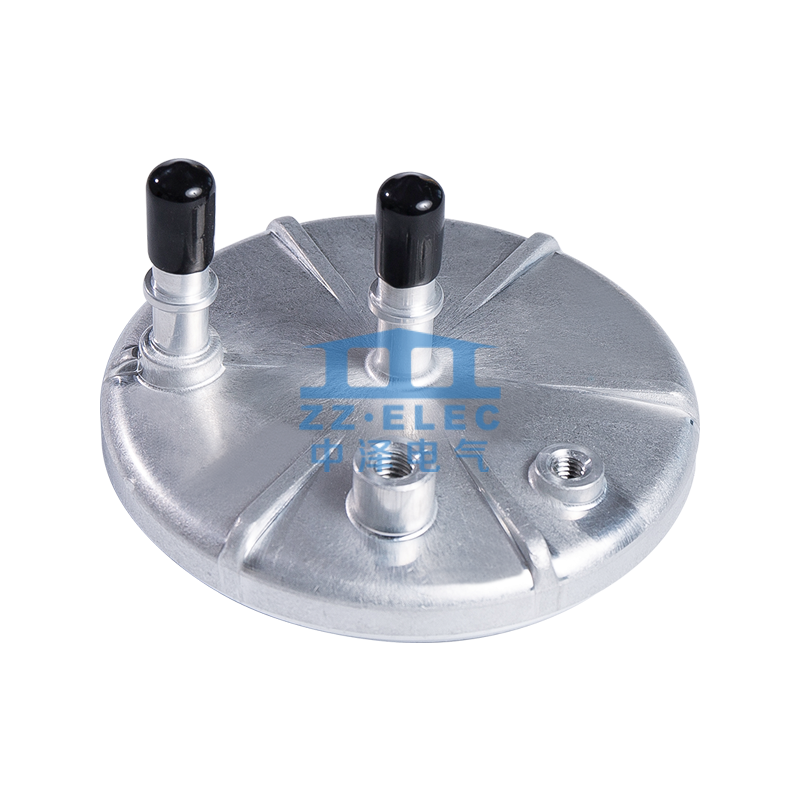
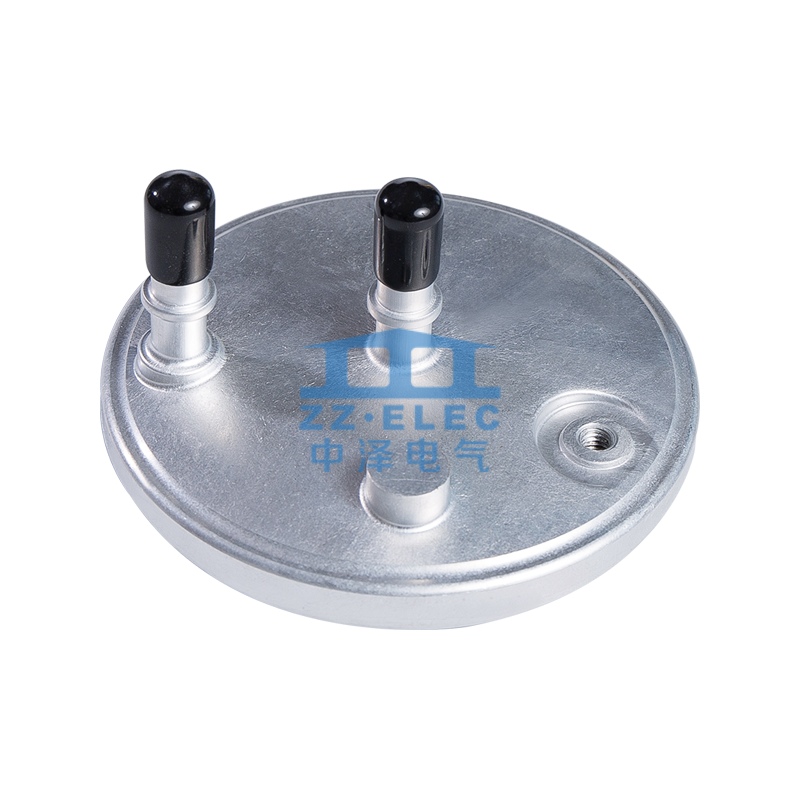
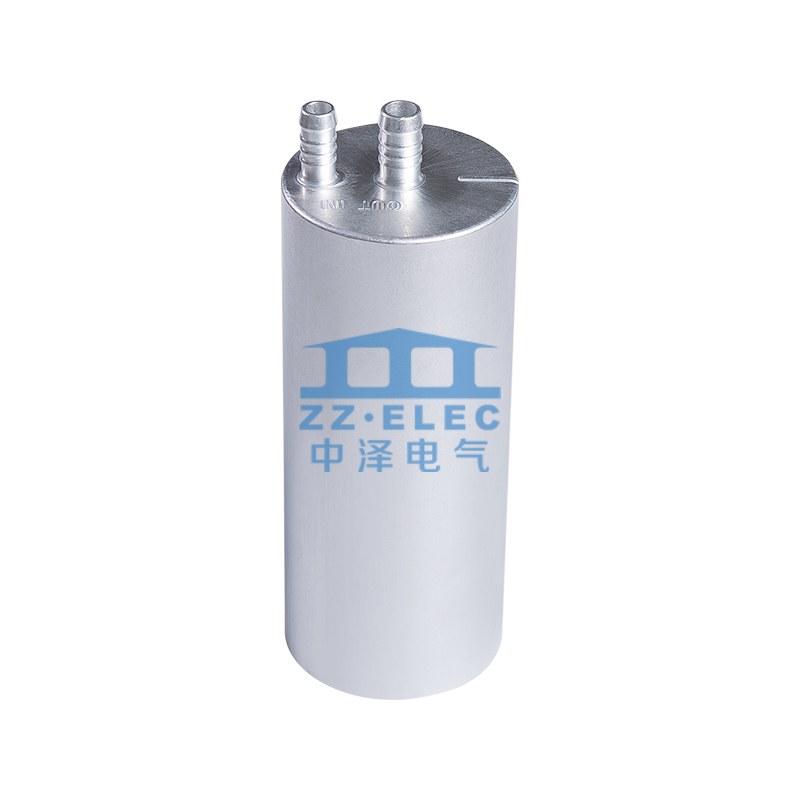
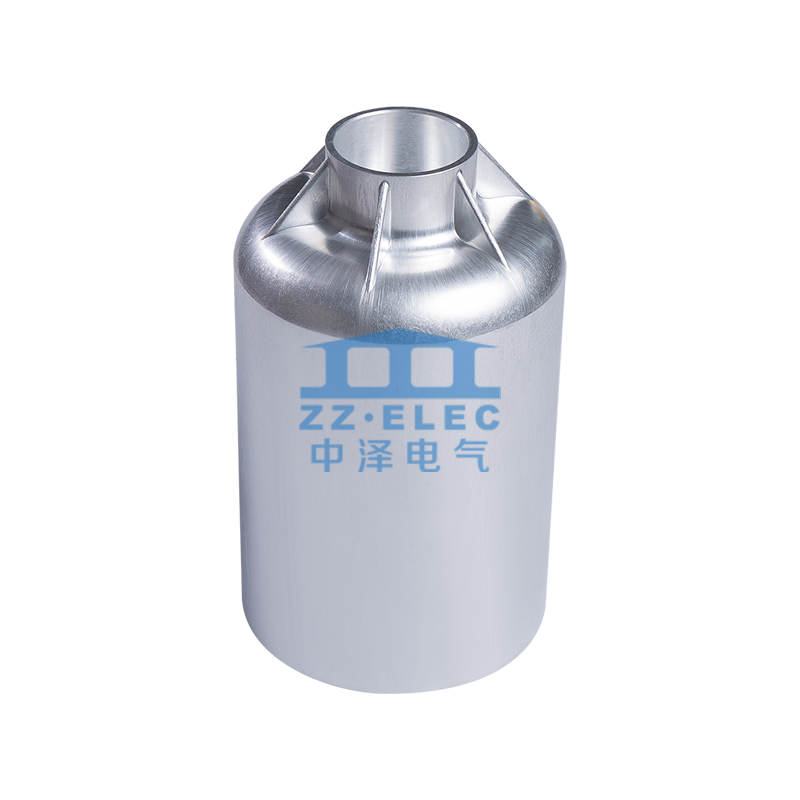
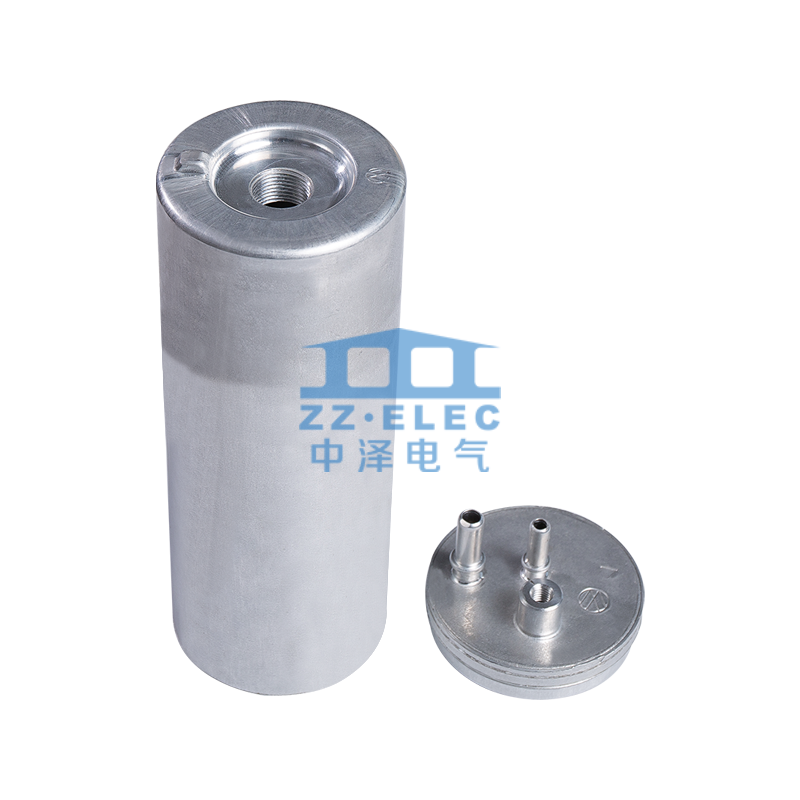
中文简体Fuel Filter Structure
Fuel filter cover&housingType: nearly every existingMaterial: AL1060We specialize in Aluminum cold extrusion. Fuel filter cover and housing could ...

Content
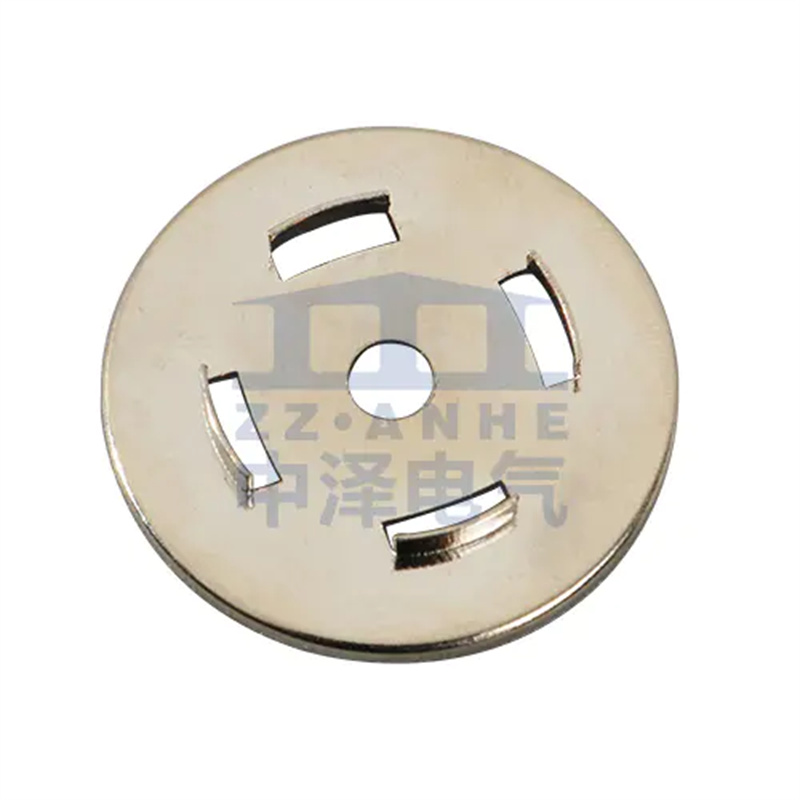
The electrochemical performance of modern lithium-ion batteries is fundamentally tethered to the quality and precision of the Positive & Negative Collector. Acting as the bridge between the active materials and the external circuit, these metallic substrates—typically aluminum for the cathode and copper for the anode—must maintain low electrical resistance and high mechanical integrity under repeated cycling. As the industry pushes toward 2026, the demand for thinner, stronger, and more conductive collectors has reached an all-time high, driven by the aggressive energy density targets of the electric vehicle (EV) sector. Engineering a robust Positive & Negative Collector setup is no longer just about material supply; it is about micro-engineering the interface to prevent capacity fade and thermal instability.
In the realm of high-rate discharge applications, internal resistance is the primary enemy of efficiency. Utilizing a high conductivity Positive & Negative Collector for lithium batteries is critical for minimizing the Joule heating effect during rapid charging cycles. According to the 2025 International Energy Agency (IEA) Special Report on Batteries, the continuous optimization of current collector purity and interface resistance has contributed significantly to a 35% year-on-year growth in global EV battery usage, as improved conductivity allows for better thermal management in high-density packs. By reducing the resistivity of the foil, manufacturers can mitigate the "hot spots" that lead to localized degradation of the electrolyte and active material.
Source: IEA - Special Report on Batteries and Secure Energy Transitions
| Material Type | Electrical Resistivity (nΩ·m) | Thermal Conductivity (W/m·K) | Conductivity Rank |
| Standard Aluminum (Positive) | 26.5 | 237 | Base Standard |
| High-Purity Copper (Negative) | 16.8 | 401 | Superior Conductive |
| High conductivity Positive & Negative Collector | < 16.5 (Custom Blend) | > 410 | Premium Performance |
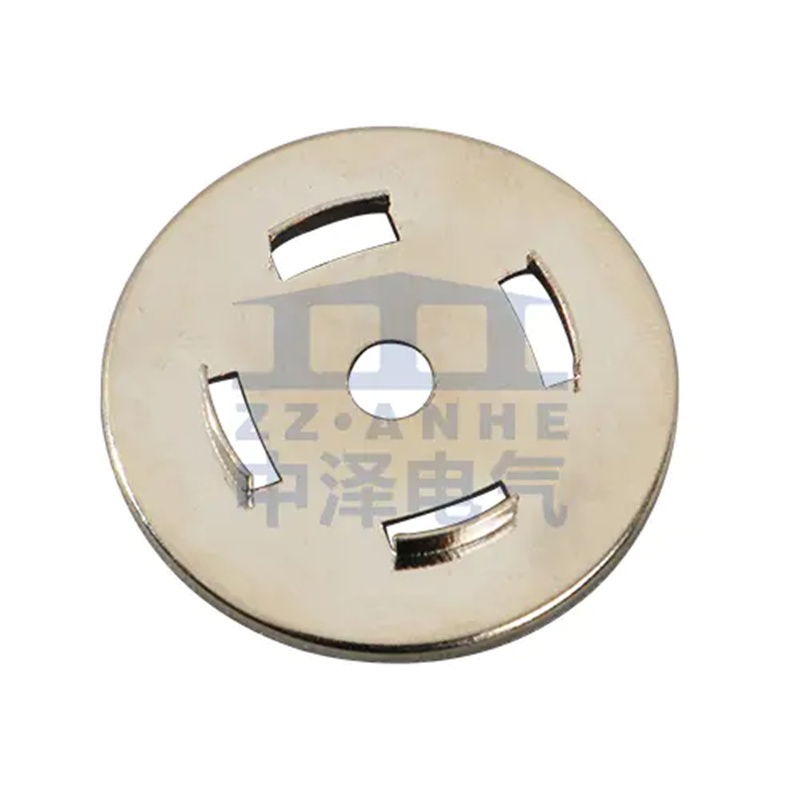
The race toward higher energy density has forced a reduction in the volume of "inactive" components within the cell. Adhering to Positive & Negative Collector thickness standards for energy density is a balancing act between saving space and maintaining tensile strength. In 2026, the industry standard for copper foils has shifted from 12 microns down to 6 or even 4.5 microns. While this reduction allows for more active material to be packed into the same volume, it requires a significant leap in foil manufacturing technology to ensure the material does not tear during high-speed coating and calendering processes. Our manufacturing protocols utilize real-time tension control and non-contact thickness gauging to ensure zero defects in ultra-thin rolls.
| Foil Gauge (Microns) | Typical Application (2025/2026) | Energy Density Impact | Manufacturing Difficulty |
| 12μm - 15μm | Standard Energy Storage Systems (ESS) | Baseline | Low |
| 8μm - 10μm | Standard Electric Vehicles (EV) | +3.5% Improvement | Moderate |
| Positive & Negative Collector (Ultra-thin <6μm) | High-Performance / Aerospace | +7.2% Improvement | Extremely High |
One of the most frequent causes of battery failure is the delamination of the active material from the current collector. Deploying a surface treated Positive & Negative Collector for enhanced adhesion is the professional engineer's solution to this problem. Techniques such as corona treatment, chemical etching, or the application of a conductive carbon primer significantly increase the surface energy of the foil. This creates a stronger mechanical and chemical bond with the binder, preventing the active material from "shedding" during the expansion and contraction cycles of the battery. Modern surface modifications have been shown to reduce interfacial contact resistance by up to 40% compared to untreated foils.
| Surface Condition | Peel Strength (N/m) | Interface Resistance (mΩ·cm²) | Stability Rating |
| Polished / Bare Foil | ~150 | ~5.5 | Basic |
| Etched / Roughened | ~280 | ~3.2 | Industrial Grade |
| Surface treated Positive & Negative Collector | > 450 (Carbon Coated) | < 1.5 | Advanced Professional |
In the aggressive chemical environment of a lithium-ion cell, the collector foils are constantly exposed to acidic electrolyte components. Sourcing corrosion resistant Positive & Negative Collector foils for EV cells is non-negotiable for automotive safety. Specifically, for the cathode, the aluminum foil must withstand high voltage without pitting. According to technical reports from the International Air Transport Association (IATA) regarding 2026 shipping regulations, the structural integrity of cells is under tighter scrutiny; corrosion of the current collector can lead to internal shorts and thermal runaway. Our company addresses this by utilizing high-purity alloys and proprietary passive layers that extend the lifespan of the collector in extreme temperature environments.
Source: Lion Technology - Lithium Battery Regulatory Changes for 2026
For B2B procurement officers, staying ahead of wholesale Positive & Negative Collector price trends 2026 is essential for maintaining product margins. The market is shifting toward a model where value is defined by the price-to-thickness ratio. While ultra-thin foils have a higher manufacturing cost per ton, their ability to increase energy density and reduce the total number of cells required per pack often results in a lower system-level cost. Strategic procurement now involves long-term partnerships with manufacturers who can guarantee batch-to-batch consistency in foil tension and surface chemistry, as fluctuations in these parameters can lead to massive losses in the gigafactory coating lines.
Reducing thickness according to Positive & Negative Collector thickness standards for energy density increases energy density but reduces the heat-sinking capacity of the foil. Engineers must compensate by using high conductivity Positive & Negative Collector for lithium batteries materials that dissipate heat more efficiently to prevent thermal runaway in thinner cell designs.
A surface treated Positive & Negative Collector for enhanced adhesion often uses a carbon coating to bridge the gap between the metallic foil and the active material. This primer layer reduces contact resistance, improves peel strength, and provides an additional barrier against electrolyte corrosion, which is vital for the longevity of EV cells.
This is due to electrochemical stability. Aluminum forms a protective oxide layer at high voltages, while copper remains stable at the low potentials found at the anode. However, both must be corrosion resistant Positive & Negative Collector foils for EV cells to prevent degradation during the 10-15 year lifespan expected of modern automotive battery packs.
Yes, many suppliers are now offering foils produced with recycled metals or using renewable energy. Looking for wholesale Positive & Negative Collector price trends 2026 often reveals that sustainable options are becoming price-competitive as global carbon taxes and "Green Battery" regulations take full effect across the supply chain.
Surface roughness is a key parameter of a surface treated Positive & Negative Collector for enhanced adhesion. If the surface is too smooth, the slurry may "fish-eye" or peel; if it is too rough, it may cause uneven coating thickness. Professional-grade collectors maintain a precise Ra (roughness average) to ensure a perfectly uniform active material layer.
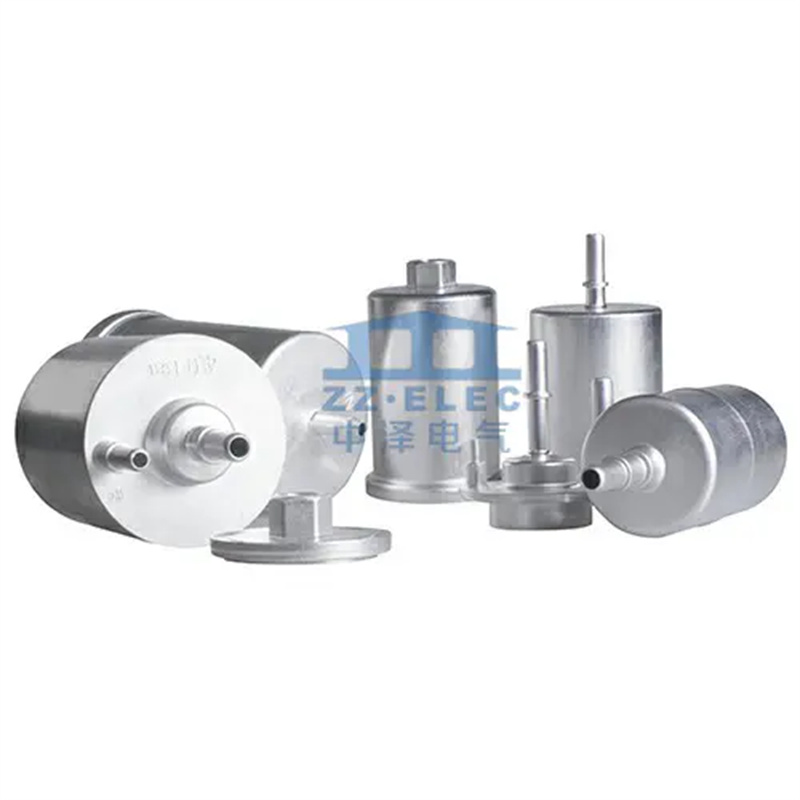
Fuel filter cover&housingType: nearly every existingMaterial: AL1060We specialize in Aluminum cold extrusion. Fuel filter cover and housing could ...
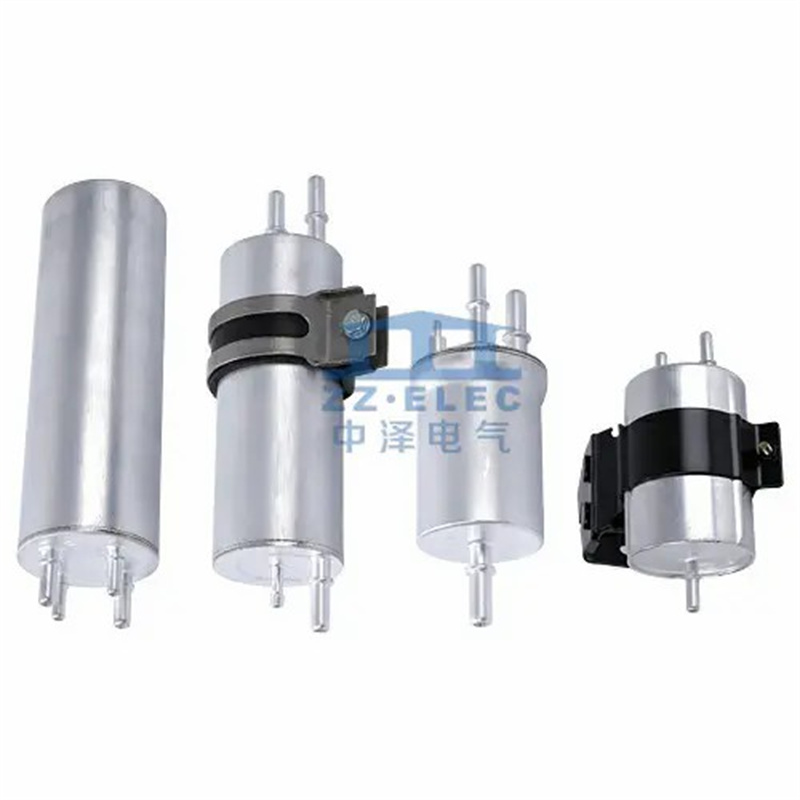
After a quality assurance test, the response speed is faster, the price is lower, and it is easy to install.Material: Made of high-quality aluminum.
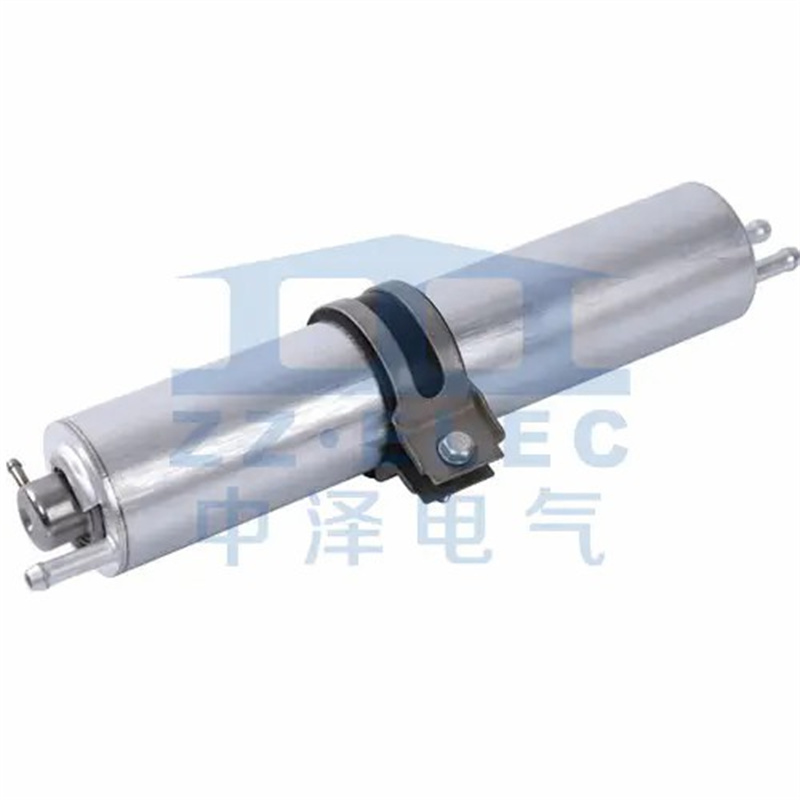
OE number:16126750475Representative models: BMW (Import) 7 (E65, E66, E67)
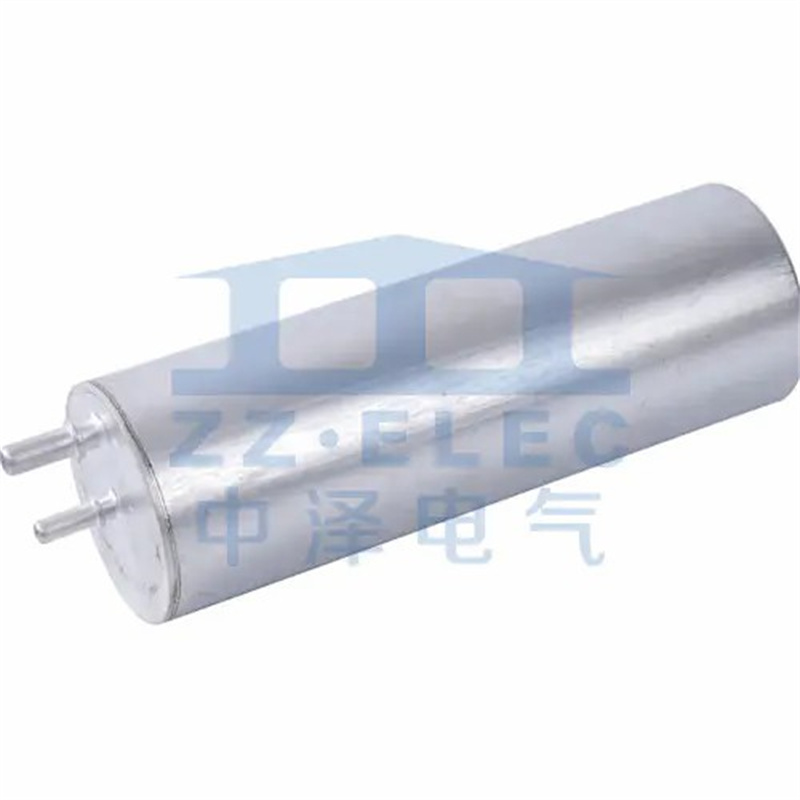
OE number:7H0127401DRepresentative models: VW import
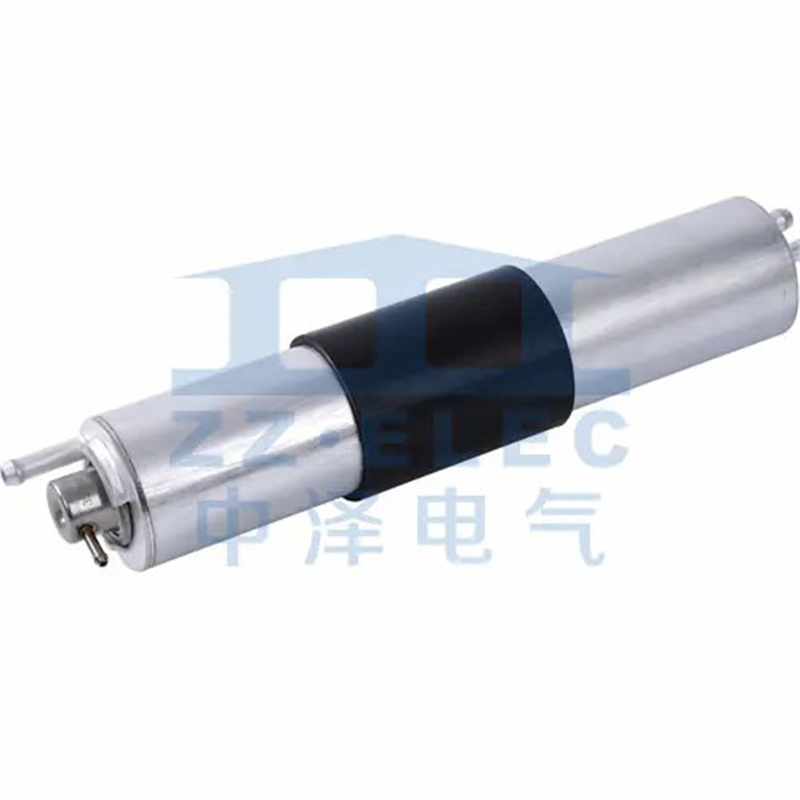
OE number:13327512019Representative models: BMW (import) Z3
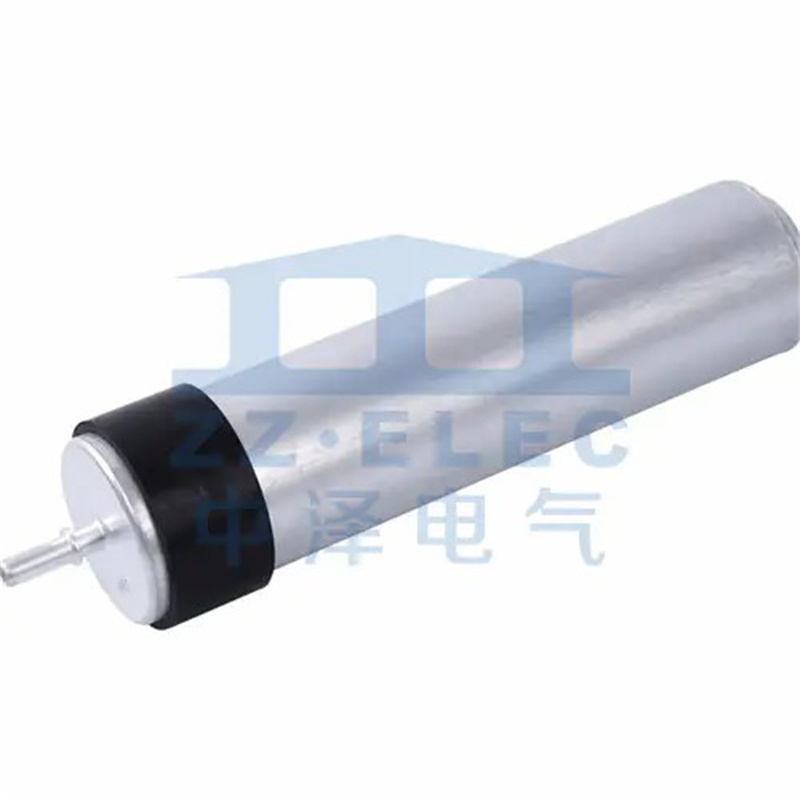
OE number:MANN: WK5015ZRepresentative models: BMW
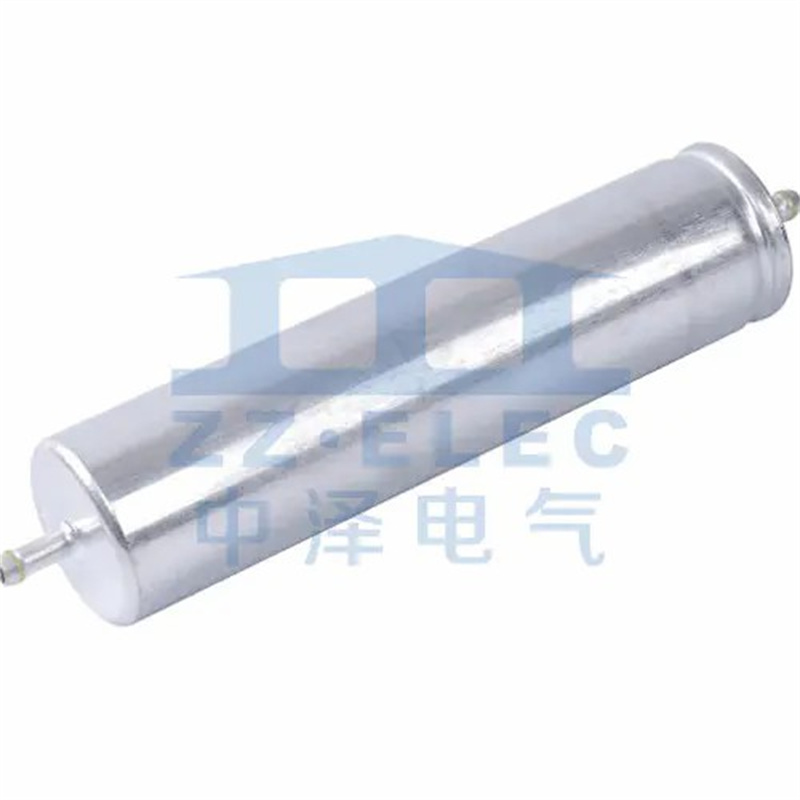
OE number:13 32 1 713 808Representative models: BMW (Import) 8 (E31), BMW (Import) 3 Compact (E36)

Copyright © Zhejiang ZZ Electric Co., Ltd. All Rights Reserved.
Custom Aluminium Cold Extrusions Manufacturers