English
 中文简体
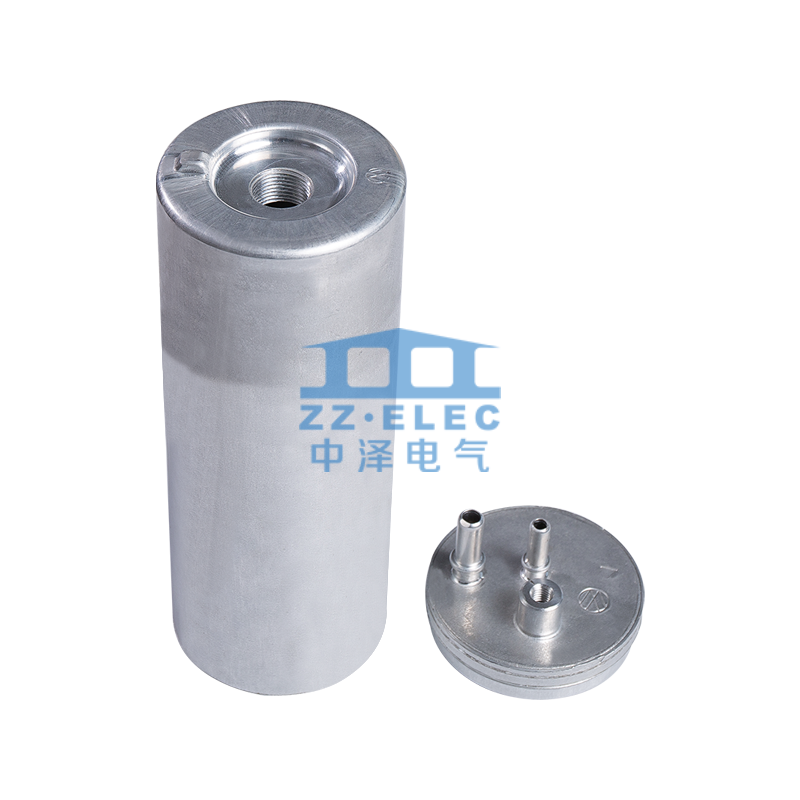
中文简体Fuel Filter Structure
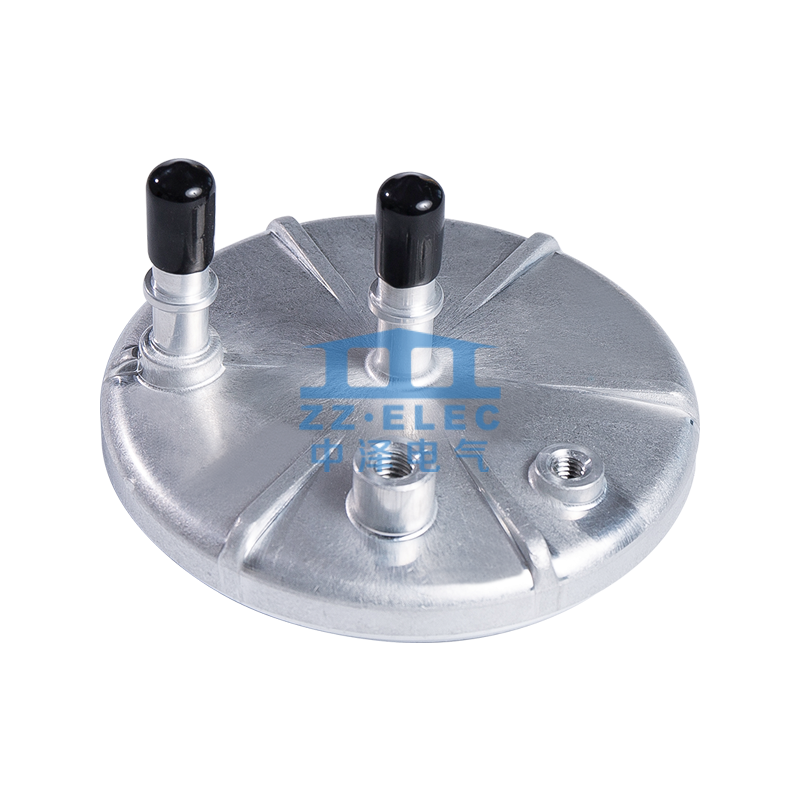
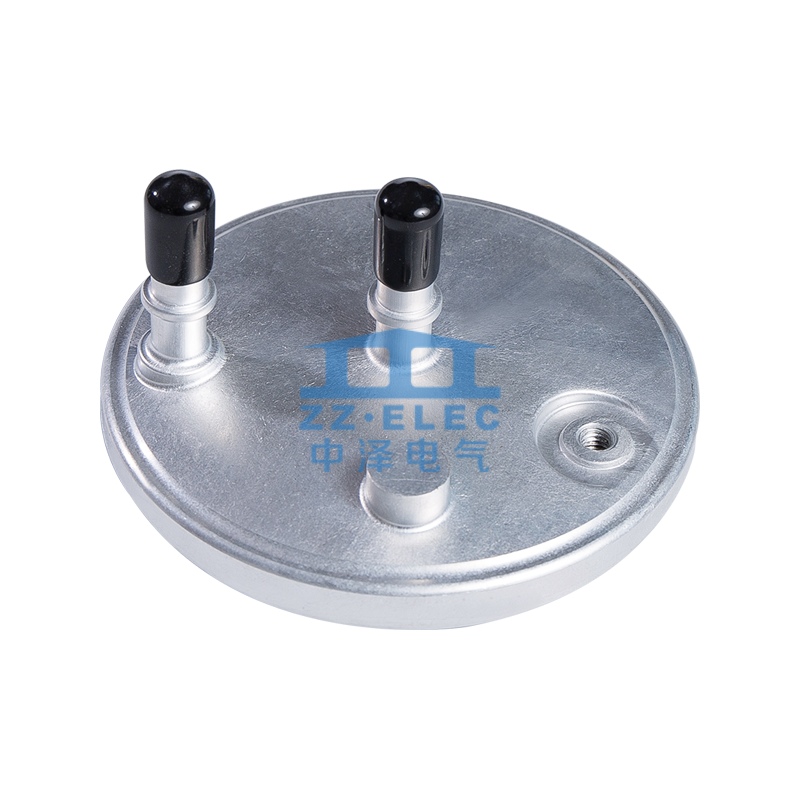
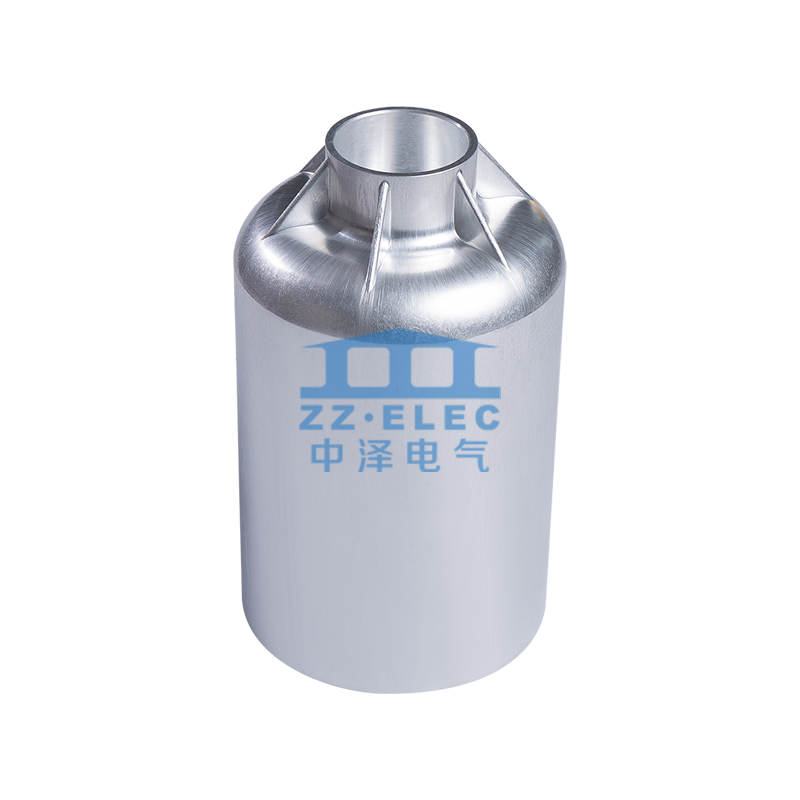
Fuel filter cover&housingType: nearly every existingMaterial: AL1060We specialize in Aluminum cold extrusion. Fuel filter cover and housing could ...


Content
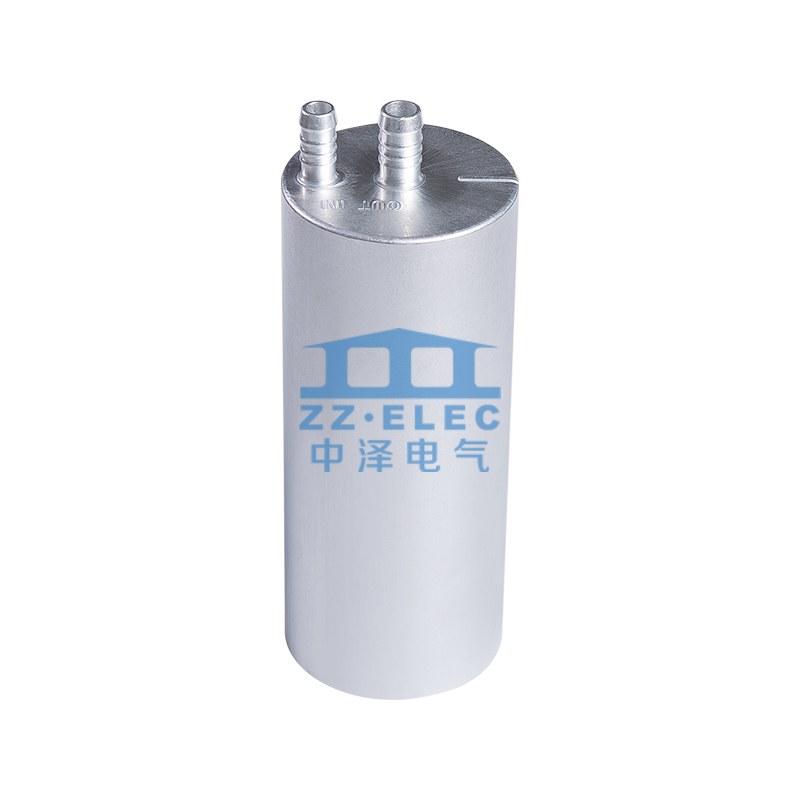
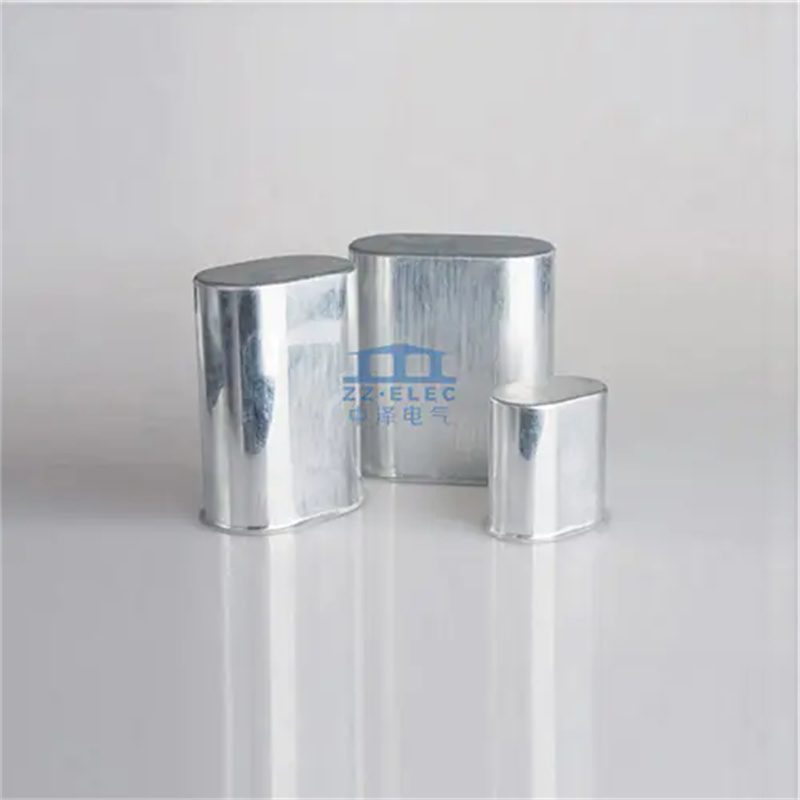
A Capacitor Case is far more than a simple outer shell. It plays a decisive role in protecting internal capacitor elements, ensuring electrical insulation, maintaining structural integrity, and supporting long-term operational stability. In modern electronics, automotive systems, energy storage devices, and industrial equipment, capacitors are often exposed to heat, vibration, pressure, and chemically active environments. Without a well-designed case, even the most advanced capacitor core cannot deliver reliable performance.
From an engineering perspective, the capacitor case directly affects heat dissipation, mechanical strength, sealing performance, and safety. Precision manufacturing processes such as cold extrusion enable high dimensional accuracy and uniform wall thickness, which are essential for stable electrical performance. Enterprises with decades of experience in metal forming and tooling design typically integrate mold development, cold extrusion, CNC machining, and surface treatment into a single production system. This full-process capability ensures consistent quality and allows for customization based on different capacitor types and application scenarios.
As electronic components become smaller while power density continues to rise, requirements for capacitor cases have become increasingly stringent. Designers now focus not only on strength and insulation but also on weight reduction, corrosion resistance, and compatibility with automated assembly lines. This evolution has made advanced capacitor case design a key competitive factor across multiple industries.

A capacitor case is the external enclosure that houses the capacitor core, electrolyte, terminals, and internal insulation structures. It must maintain precise tolerances while withstanding thermal expansion and mechanical stress during operation.
In electrical systems, the capacitor case contributes directly to performance stability. A poorly designed case can lead to leakage, deformation, or insulation failure, affecting the entire system.
| Function | Impact |
| Sealing | Prevents electrolyte leakage |
| Insulation | Reduces short circuit risk |
| Structural Support | Maintains internal alignment |
Material selection is one of the most important decisions in capacitor case manufacturing. Among various options, aluminum has become the preferred choice due to its excellent balance of strength, weight, thermal conductivity, and corrosion resistance. Advanced cold extrusion technology allows aluminum cases to achieve high density and smooth surface finish, improving both performance and appearance.
In high-load or high-temperature environments, material purity and alloy composition significantly influence case durability. Manufacturers with strong technical teams and extensive patent portfolios often develop proprietary forming processes to enhance material performance. These capabilities are especially important when producing cases for demanding applications such as automotive electronics and energy storage systems.
An aluminum capacitor case offers a combination of manufacturability and performance that is difficult to match with other metals. It supports thin-wall designs without compromising strength.
| Material Feature | Benefit |
| Low Density | Reduced overall component weight |
| High Thermal Conductivity | Improved heat dissipation |
In power electronics and automotive environments, capacitor cases must withstand elevated temperatures for extended periods. A high temperature resistant capacitor case is designed to maintain mechanical stability and insulation performance even under continuous thermal stress.
Insulation design directly affects capacitor safety and reliability. A well-engineered case prevents electrical leakage while supporting internal pressure control. Advanced insulation structures are often integrated into the case geometry itself rather than added as separate components.
Through precise tooling and mold design, manufacturers can create complex internal structures that enhance insulation without increasing overall size. This approach supports compact capacitor designs required in modern electronic systems.
A strong capacitor case insulation design reduces the risk of short circuits and improves long-term operational safety. It is especially critical for high-voltage and high-frequency applications.
| Design Aspect | Purpose |
| Insulation Layer | Electrical separation |
| Structural Geometry | Pressure distribution |
Modern capacitor case production relies heavily on cold extrusion technology. This process allows for high material utilization, consistent quality, and excellent mechanical properties. Companies with integrated mold workshops and advanced extrusion equipment can respond quickly to custom design requirements.
With comprehensive machining lines and testing equipment, manufacturers ensure that each product meets strict dimensional and performance standards. This level of control is essential for industries that demand zero-defect components.
Custom capacitor case manufacturing enables tailored solutions for different capacitor types, sizes, and performance requirements. Cold extrusion supports both small-batch prototypes and large-scale production.
Capacitor cases are used in a wide range of industries, from automotive systems to energy storage and industrial electronics. Each application imposes unique requirements on material performance, insulation, and dimensional accuracy.
A capacitor case for electrolytic capacitors must provide excellent sealing and corrosion resistance to ensure stable electrolyte containment and long service life.
| Requirement | Reason |
| High Sealing Performance | Prevents leakage |
| Material Stability | Supports long-term reliability |
Aluminum offers an excellent balance of lightweight structure, thermal conductivity, corrosion resistance, and manufacturability, making it ideal for high-performance capacitor cases.
Proper insulation design prevents electrical leakage and short circuits, directly improving operational safety and extending service life.
Yes, custom capacitor case manufacturing allows adjustments in size, material, and structure to meet specific application requirements.
Automotive electronics, power electronics, and energy storage systems often require high temperature resistant capacitor cases due to demanding operating conditions.
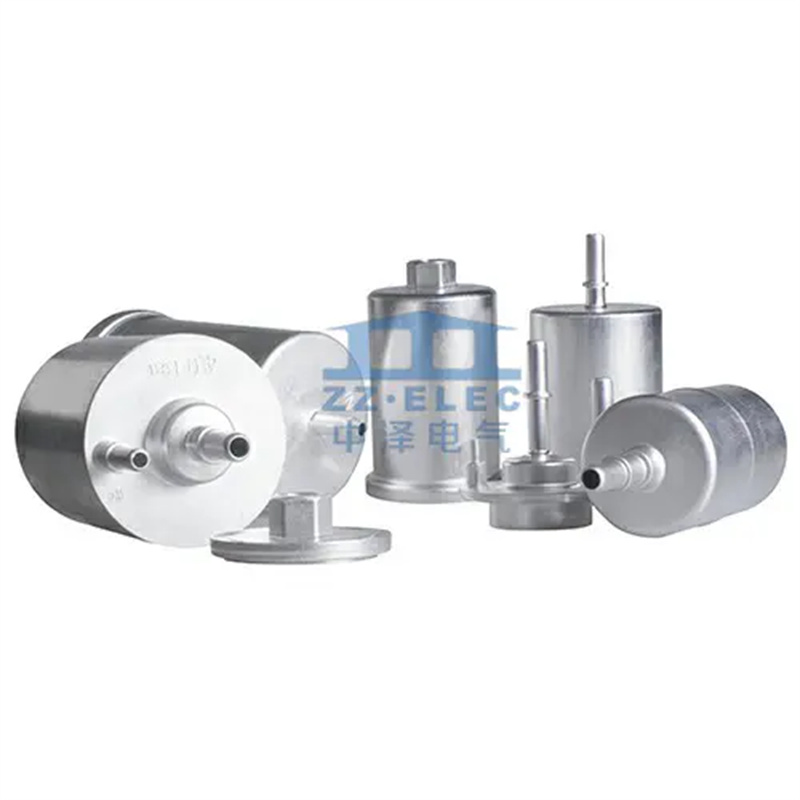
Fuel filter cover&housingType: nearly every existingMaterial: AL1060We specialize in Aluminum cold extrusion. Fuel filter cover and housing could ...
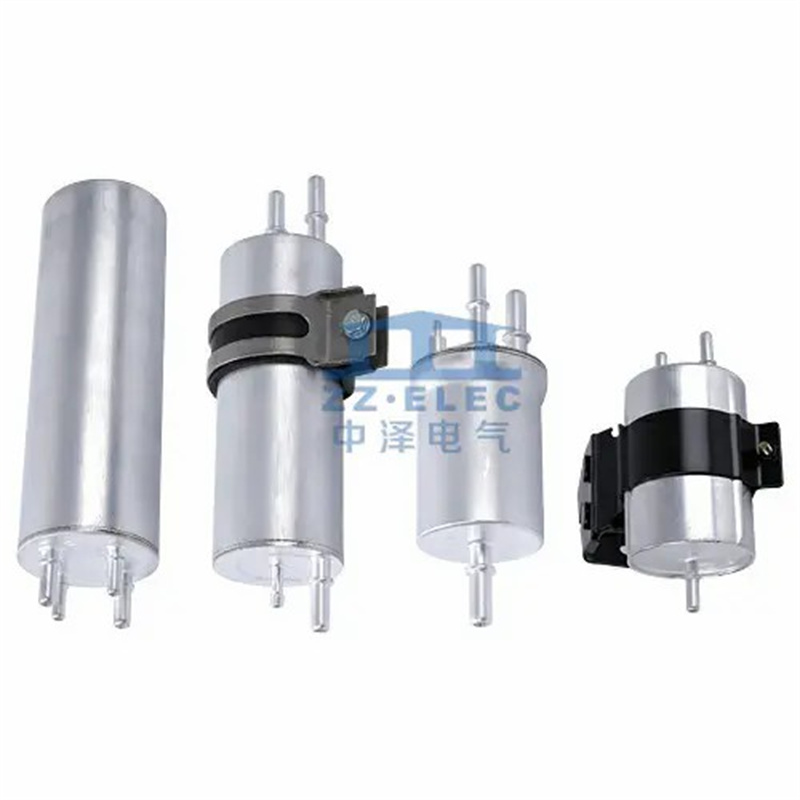
After a quality assurance test, the response speed is faster, the price is lower, and it is easy to install.Material: Made of high-quality aluminum.
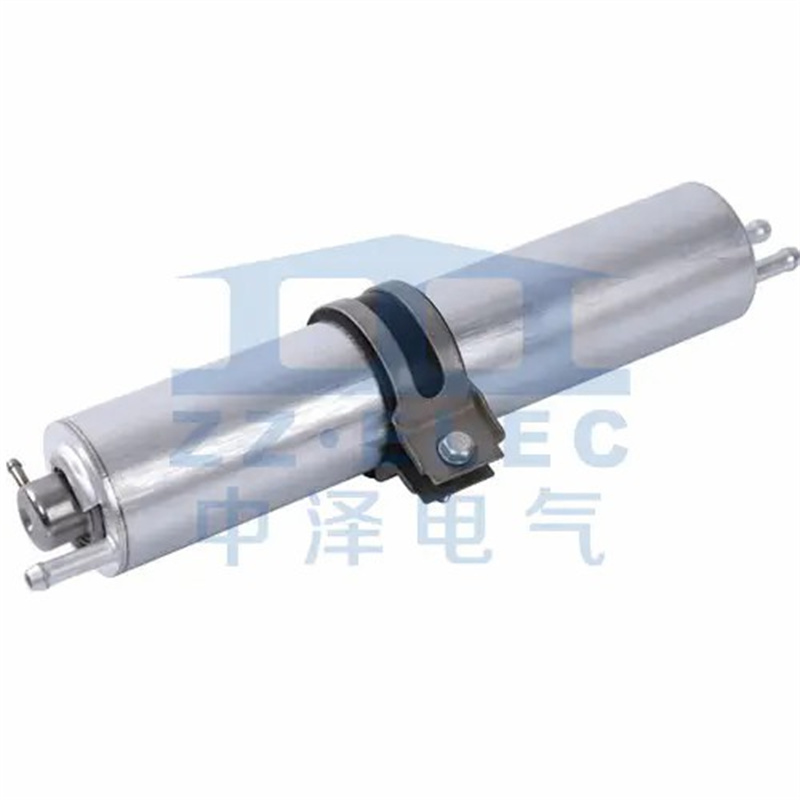
OE number:16126750475Representative models: BMW (Import) 7 (E65, E66, E67)
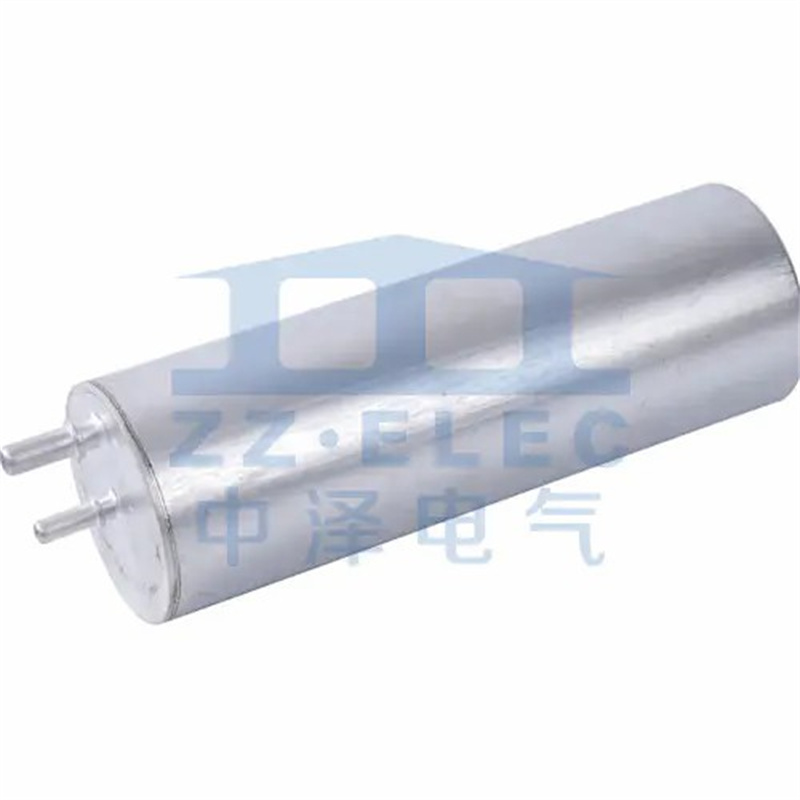
OE number:7H0127401DRepresentative models: VW import
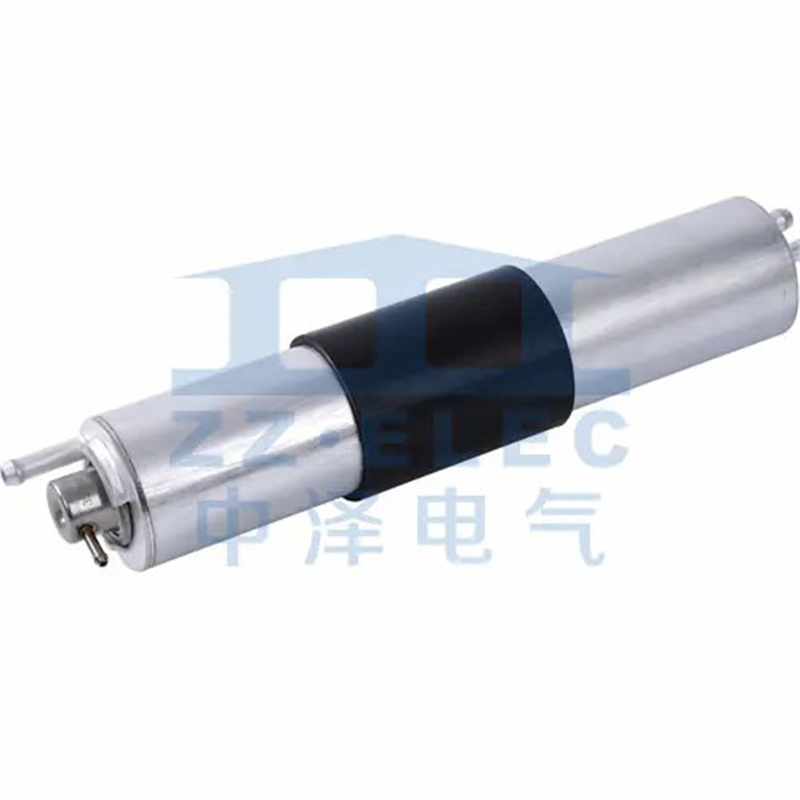
OE number:13327512019Representative models: BMW (import) Z3
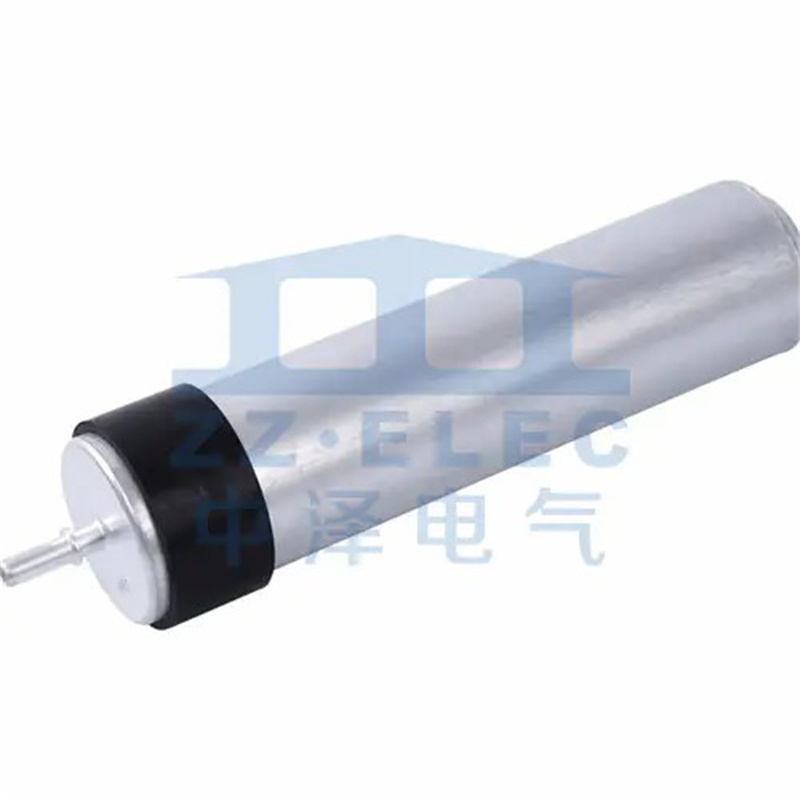
OE number:MANN: WK5015ZRepresentative models: BMW
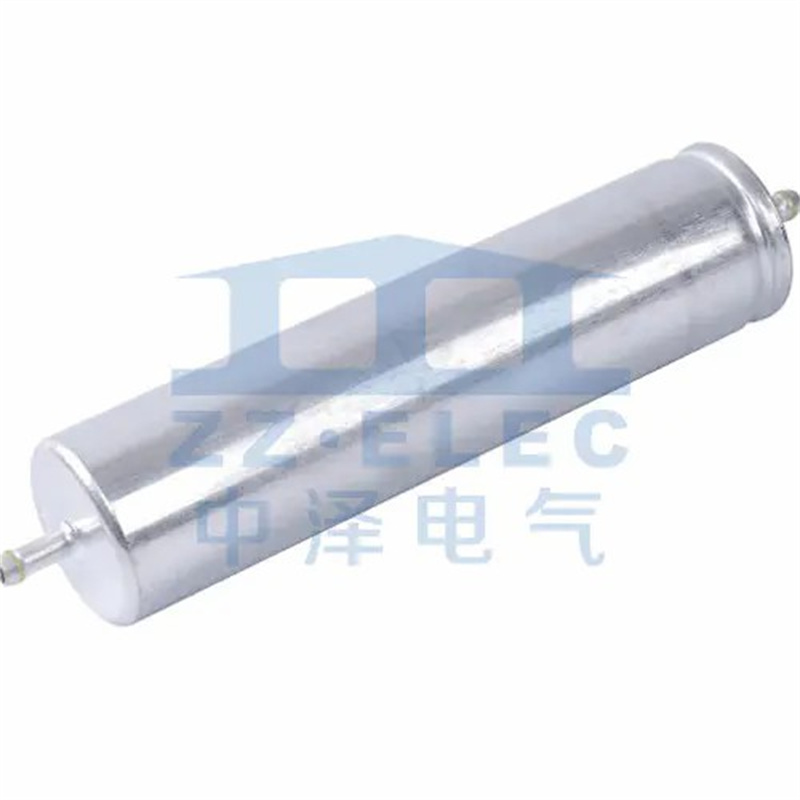
OE number:13 32 1 713 808Representative models: BMW (Import) 8 (E31), BMW (Import) 3 Compact (E36)

Copyright © Zhejiang ZZ Electric Co., Ltd. All Rights Reserved.
Custom Aluminium Cold Extrusions Manufacturers