English
 中文简体
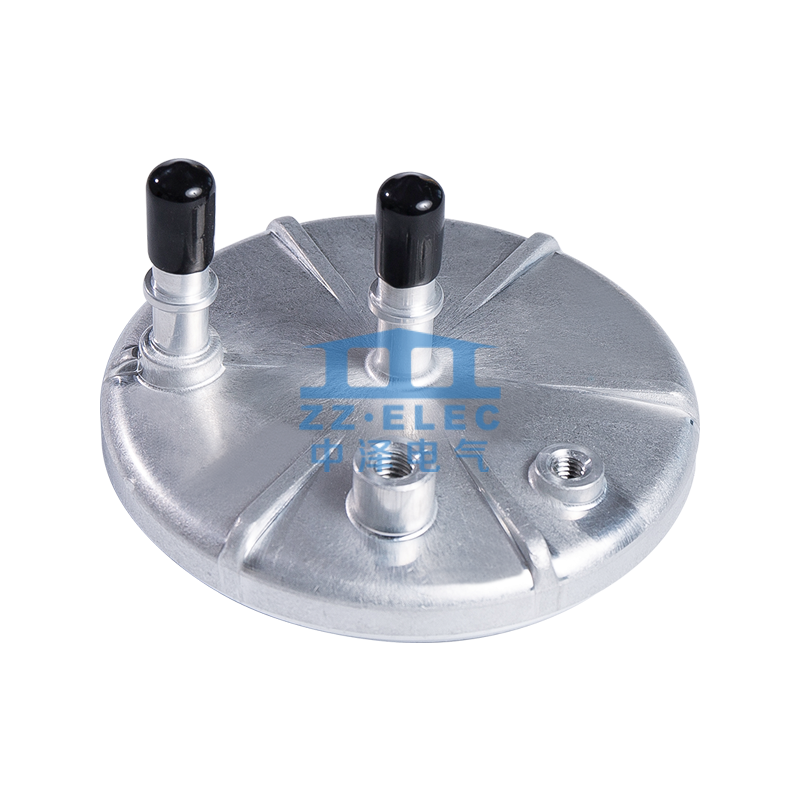
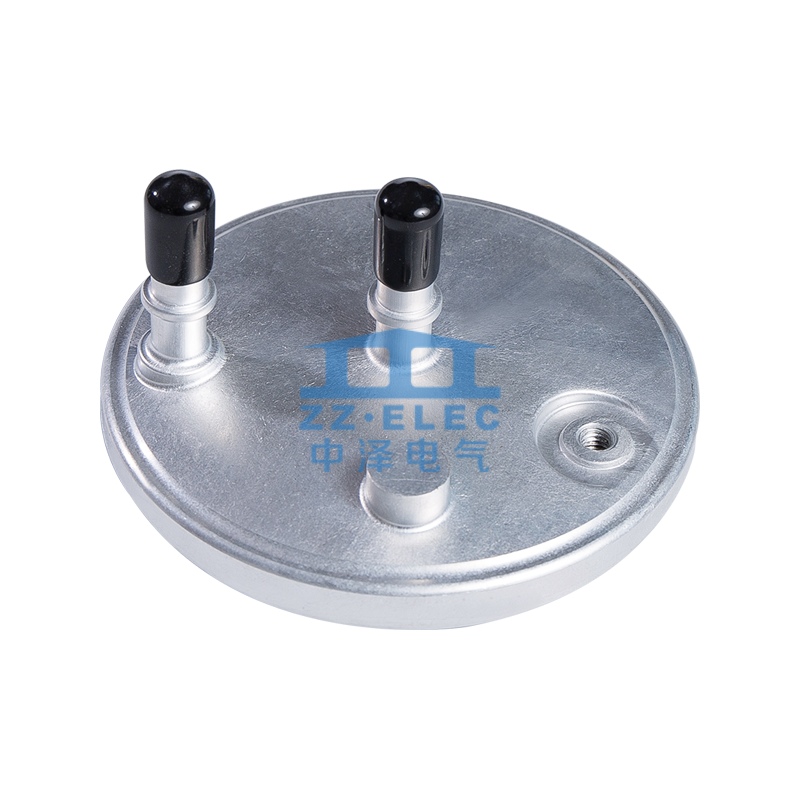
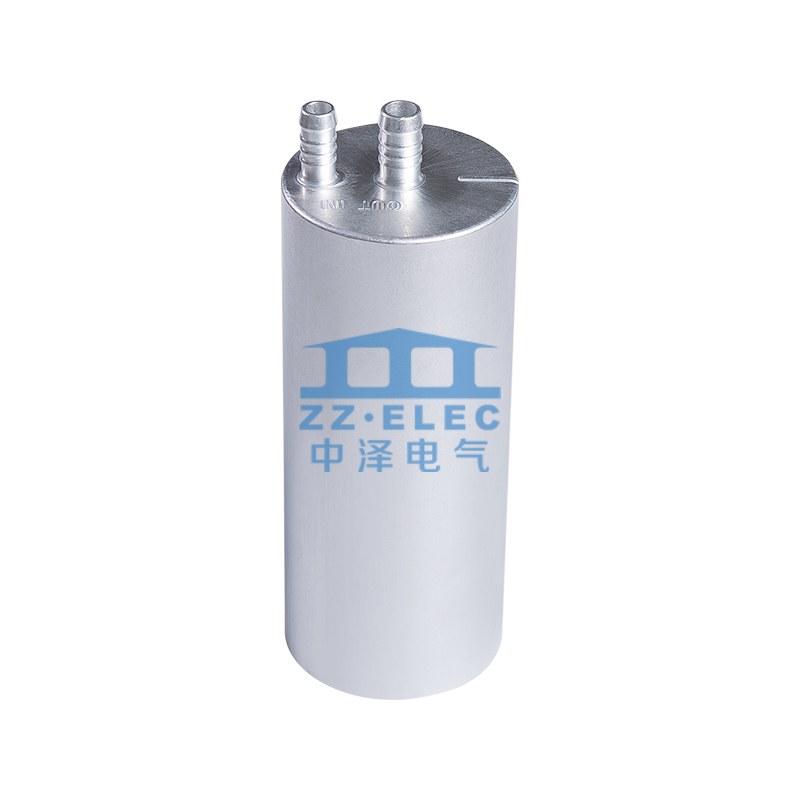
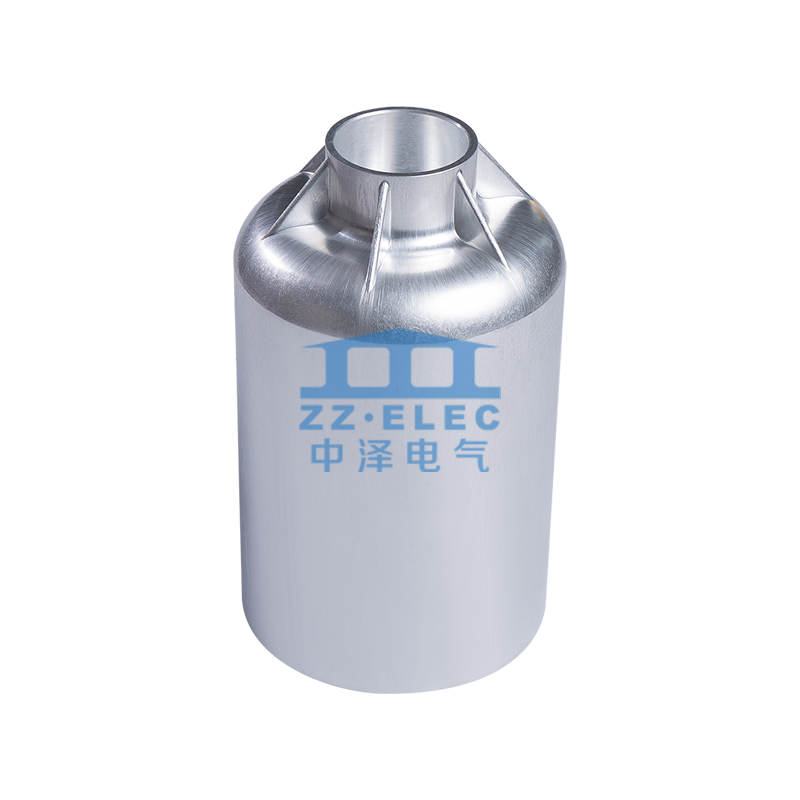
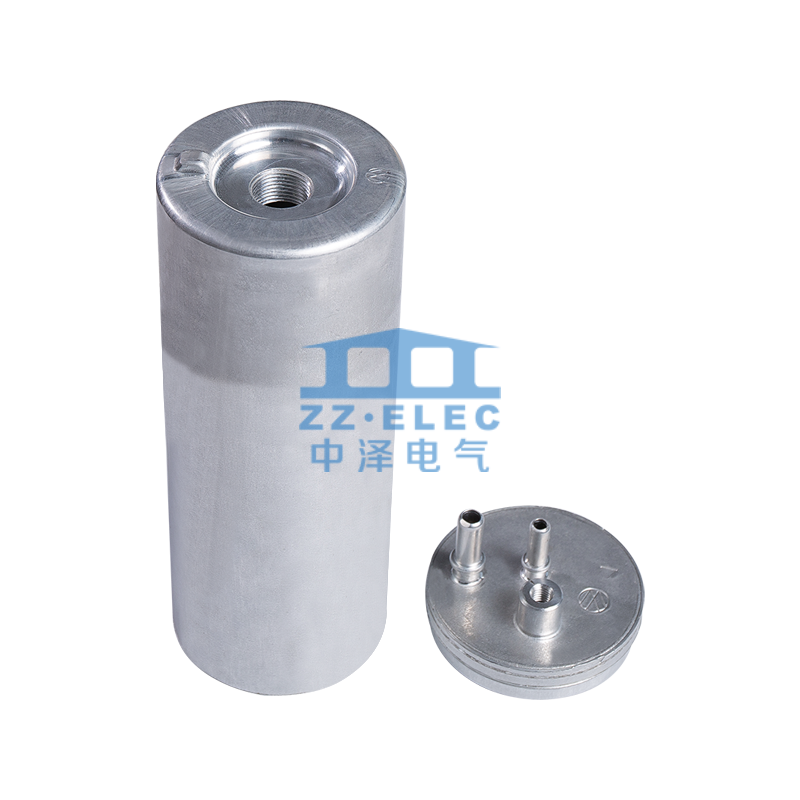
中文简体Fuel Filter Structure
Fuel filter cover&housingType: nearly every existingMaterial: AL1060We specialize in Aluminum cold extrusion. Fuel filter cover and housing could ...

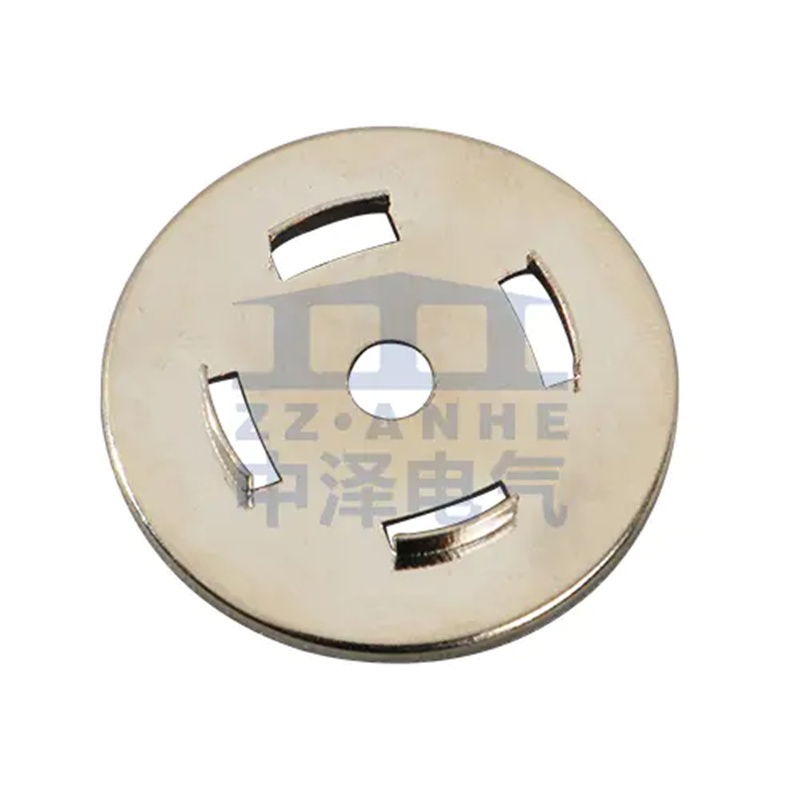
In the rapidly evolving landscape of energy storage technology, the efficiency and longevity of battery systems depend heavily on the quality and design of their internal components. Among these critical elements, the Positive & Negative Collector plays a pivotal role in ensuring optimal electrical conductivity and structural integrity within the cell. Collectors serve as the fundamental bridge between the active materials that store energy and the external circuit that utilizes it. As the demand for higher energy density, faster charging capabilities, and longer cycle life increases across industries from electric vehicles to consumer electronics, the engineering of these conductive foils has become a focal point of innovation. Selecting the right collector material not only enhances the overall performance of the battery but also contributes to safety and thermal management. Understanding the nuances of current collectors is essential for manufacturers and engineers aiming to develop next-generation energy storage solutions that meet the rigorous demands of modern applications.
The Positive & Negative Collector functions as the backbone of any electrochemical cell, responsible for collecting and transporting the electrical current generated by the chemical reactions within the battery. In a typical setup, the positive current collector is typically made from aluminum foil, while the negative current collector utilizes copper foil. These metals are chosen for their high electrical conductivity, mechanical stability, and electrochemical compatibility with the electrode materials. The collector must maintain a stable interface with the active material, ensuring that electrons can move freely with minimal resistance. Any inefficiency in this transfer can result in energy loss in the form of heat, which not only reduces the battery's efficiency but also poses safety risks. Furthermore, the mechanical strength of the foil is crucial during the battery manufacturing process, particularly during the winding or stacking of electrode sheets, where the foil must withstand significant tension without tearing.
The primary function of the Positive & Negative Collector is to provide a low-resistance pathway for electrons to flow from the electrodes to the external terminals. Without these collectors, the chemical energy stored in the active materials would be trapped, unable to be converted into useful electrical power. The efficiency of this electron transfer directly influences the internal resistance of the battery. Lower internal resistance translates to higher voltage efficiency and better rate capability, meaning the battery can deliver power more quickly when needed. Moreover, the collector acts as a mechanical support for the active material slurry, which is coated onto the foil. This structural role is vital for maintaining the dimensional stability of the electrode over thousands of charge and discharge cycles.
When evaluating a plate current collector battery, conductivity and chemical stability are the two most critical parameters. High conductivity ensures minimal energy loss, while chemical stability ensures that the collector does not react with the electrolyte or the active materials during operation. If the collector corrodes or forms a passivation layer, the internal resistance will increase over time, degrading the battery's performance. Advanced collectors are often treated with coatings to enhance adhesion and prevent corrosion, thereby extending the cycle life of the battery.
Enhancing energy efficiency in a plate current collector battery involves optimizing the surface morphology and thickness of the foil. Roughening the surface can improve the adhesion of the active material, reducing the contact resistance. Additionally, reducing the thickness of the collector increases the energy density of the battery by reducing the volume and weight of inactive materials. However, this must be balanced with mechanical strength to prevent breakage.
| Property | High Conductivity | High Stability | |
| Benefit | Reduces heat generation | Prevents internal short circuits | |
| Impact | Application | High power tools | Long-term energy storage |
The selection of materials for a plate current collector battery is a sophisticated process that balances electrical properties, mechanical strength, and cost. While copper and aluminum are the industry standards, ongoing research is exploring novel materials such as carbon nanotubes and graphene composites to further reduce weight and improve conductivity. However, for most commercial applications, metal foils remain the dominant choice due to their reliability and manufacturability. The choice between different materials often depends on the specific chemistry of the battery, such as Lithium-ion, Nickel-Metal Hydride, or Lead-Acid, with each system requiring specific electrochemical potentials to avoid oxidation or reduction of the collector itself.
In Lithium-ion batteries, the negative current collector material is almost exclusively copper. Copper is favored for the anode side because it has a low electrochemical potential that does not alloy with lithium at low voltages. If aluminum were used on the negative side, it would form an alloy with lithium, causing the foil to become brittle and disintegrate. Therefore, copper's stability at low potentials makes it indispensable. Furthermore, copper possesses excellent ductility and tensile strength, allowing it to be rolled into extremely thin foils—sometimes as thin as 6 or 8 micrometers—which maximizes the amount of active material that can be loaded into the battery cell.
The distinction between copper and aluminum is fundamental to battery design. While both are excellent conductors, their roles are distinct due to their chemical properties. Copper is used for the anode (negative), and aluminum is used for the cathode (positive). Using a negative current collector material like copper ensures that the anode remains stable during the lithiation process. Conversely, aluminum forms a stable oxide layer at higher potentials, making it perfect for the cathode.
| Material | Role | Key Characteristic | Potential Stability |
| Copper | Negative Collector | High conductivity, high ductility | Stable at low voltages |
| Aluminum | Nickel |
The industry is witnessing significant advancements in battery foil current collector technology, driven by the need for lighter and more powerful batteries. Manufacturers are pushing the limits of rolling technology to produce ultra-thin foils that reduce the overall weight of the battery pack, thereby increasing the specific energy (Wh/kg) of the system. Additionally, surface treatments such as carbon coating or etching are being applied to foils to lower interfacial resistance and improve the adhesion of high-capacity active materials like silicon. These innovations are crucial for the development of solid-state batteries and other next-generation energy storage systems.
Reducing the thickness of the battery foil current collector is a direct way to increase energy density, as thinner foils leave more room for active materials. However, thinner foils are harder to handle and are more prone to pinholes. To mitigate this, advanced surface treatments are used to strengthen the foil and enhance its electrochemical performance.
| Technology | Benefit | Challenge |
| Ultra-thin Rolling | ||
| Surface Roughening | Carbon Coating |
The integration of high-performance collectors like the aluminum copper current collector is vital for maximizing the efficiency of energy storage systems. These components not only conduct electricity but also play a significant role in the thermal management of the battery cell. As batteries charge and discharge, heat is generated within the cell. The current collectors act as heat spreaders, helping to dissipate this heat and prevent localized hot spots that can lead to thermal runaway. In high-power applications such as electric vehicles, where large currents are drawn rapidly, the ability of the collector to manage heat is just as important as its electrical conductivity.
The combination of aluminum and copper in a aluminum copper current collector setup leverages the strengths of both metals. Aluminum is lighter and cheaper, making it ideal for the cathode where weight savings are critical. Copper, while heavier, offers superior conductivity for the anode. The connection between these two different metals, often via a bi-metal tab or ultrasonic welding, must be executed with precision to avoid galvanic corrosion and ensure a low-resistance connection. This hybrid approach is standard in the industry for creating robust, high-performance battery packs.
Optimizing battery architecture involves careful placement and connection of the aluminum copper current collector. Engineers must design tabs and terminals that allow for efficient current extraction without impeding the winding process. The thermal expansion rates of copper and aluminum also differ, which must be accounted for in the battery design to prevent mechanical stress during thermal cycling.
| Design Factor | Copper Component | Aluminum Component | |
| Primary Role | Key Advantage | Welding Method | Expansion Coefficient |
From electric vehicles to grid storage, the application of advanced current collectors is ubiquitous. A high-quality plate current collector battery ensures that energy is delivered reliably and safely. In automotive applications, these components must withstand severe vibrations and temperature fluctuations. In consumer electronics, space is at a premium, demanding ultra-thin collectors. The versatility of these technologies underscores their importance in the modern energy landscape.
Zhejiang ZZ Electric Co., Ltd. has established itself as a pioneer in the field of cold extrusion technology for aluminum products in China. As an early domestic manufacturing enterprise engaged in the production of cold extrusion technology, the company brings decades of development experience to the table. With a professional technical team and dozens of patents, ZZ Electric focuses on delivering high-precision solutions for complex industrial needs. Their expertise spans across various sectors, including automobile fuel filters, fuel pumps, automobile seat shock absorption, capacitors, supercapacitors, and lithium batteries aluminum packaging products. By leveraging advanced technology, superior design, and superb product quality, ZZ Electric has won unanimous praise from customers at home and abroad.
The core competence of Zhejiang ZZ Electric lies in its mastery of cold extrusion, a process crucial for manufacturing high-strength, lightweight components like the Positive & Negative Collector. Cold extrusion allows for the precise forming of metal parts without heating, preserving the material's grain structure and mechanical properties. This results in components that are incredibly strong and durable, essential for the structural integrity of battery casings and terminals. The company's commitment to innovation is evident in their extensive patent portfolio, which protects their unique manufacturing processes and product designs.
To maintain the highest standards of quality, ZZ Electric utilizes state-of-the-art equipment. The company currently operates a modern standard factory building of 17,000+㎡ and a mold design and processing workshop of 1,000+㎡. Key to their operation are more than ten pieces of special cold extrusion equipment, including three 500-ton HERLAN horizontal cold extrusion equipment imported from Germany. This advanced machinery enables the production of complex battery foil current collector and aluminum packaging products with extreme precision. The integration of German engineering with local manufacturing expertise allows ZZ Electric to meet the rigorous demands of the international market.
| Asset | Specification | Benefit | |
| Factory Space | Mold Workshop | Extrusion Equipment | Testing Equipment |
ZZ Electric offers a one-stop solution for clients requiring diverse industrial components. Their facility is equipped with several semi-automatic machining lines and dozens of CNC processing equipment, enabling high-volume production with consistent quality. The company specializes in producing negative current collector material products and aluminum packaging solutions that are critical for the lithium battery industry. Furthermore, other branches of the ZZ Group can produce capacitor plastic covers, capacitor mandrels, positioning sleeves, prismatic lithium battery structural parts, and lightweight vehicle body parts. This integrated production capability allows them to meet the multi-faceted needs of customers, serving as a comprehensive partner for industries ranging from automotive to energy storage.
Located in the Economic Development Zone of Jiaxing City, Zhejiang Province, ZZ Electric enjoys a strategic geographical position in the central area of the Yangtze River Delta. Being an hour's drive from central cities such as Shanghai, Hangzhou, Suzhou, and Ningbo facilitates efficient logistics and supply chain management. The abundant testing equipment at their disposal ensures that every aluminum copper current collector or structural part meets strict quality standards before leaving the factory. This dedication to quality control guarantees that clients receive products that perform reliably in their specific applications.
| Resource | Detail | Strategic Value | |
| Location | Machining Lines | Group Synergy | Quality Focus |
The primary difference lies in the material composition due to electrochemical stability. The Positive & Negative Collector must be made of metals that do not react with their respective electrode environments. Typically, the positive collector (cathode) is made of aluminum because it is stable at high voltages, while the negative collector (anode) is made of copper because it is stable at low voltages and does not alloy with lithium.
Copper is used as the primary negative current collector material because it has high electrical conductivity and excellent mechanical strength to be rolled into thin foils. Crucially, copper does not form an alloy with lithium at the low potentials (0V to 2V vs Li/Li+) found at the anode. If aluminum were used, it would alloy with lithium and become brittle, causing the battery to fail.
The thickness of a battery foil current collector directly impacts the energy density and internal resistance of the battery. Thinner foils allow for more active material to be packed into the same volume, increasing energy density. However, if the foil is too thin, it may have higher electrical resistance or be prone to tearing during manufacturing. Optimizing thickness is a balance between maximizing energy capacity and maintaining mechanical and electrical reliability.
Using an aluminum copper current collector design leverages the specific benefits of both metals. Aluminum is lightweight and cost-effective, which helps reduce the overall weight and cost of the battery pack, particularly on the cathode side. Copper offers superior electrical conductivity, which is essential for the high-current demands of the anode. This combination ensures optimal performance, safety, and cost-efficiency for the entire battery system.
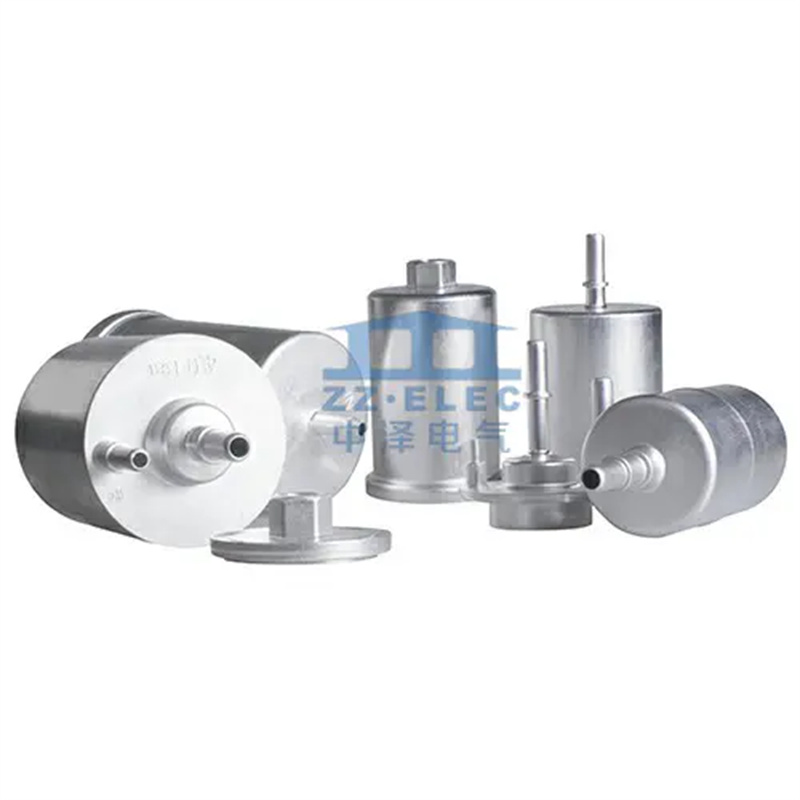
Fuel filter cover&housingType: nearly every existingMaterial: AL1060We specialize in Aluminum cold extrusion. Fuel filter cover and housing could ...
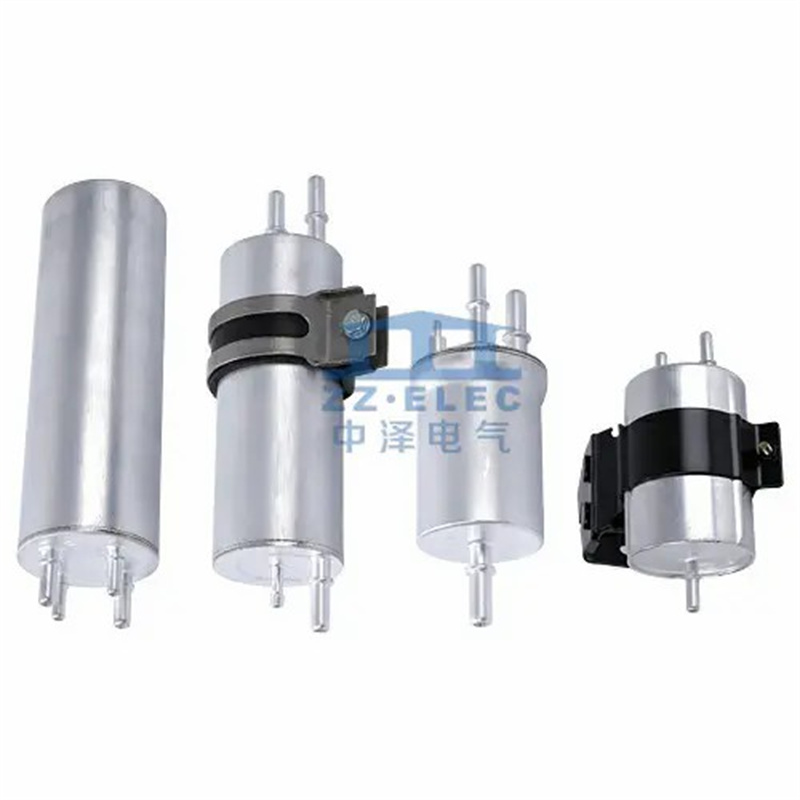
After a quality assurance test, the response speed is faster, the price is lower, and it is easy to install.Material: Made of high-quality aluminum.
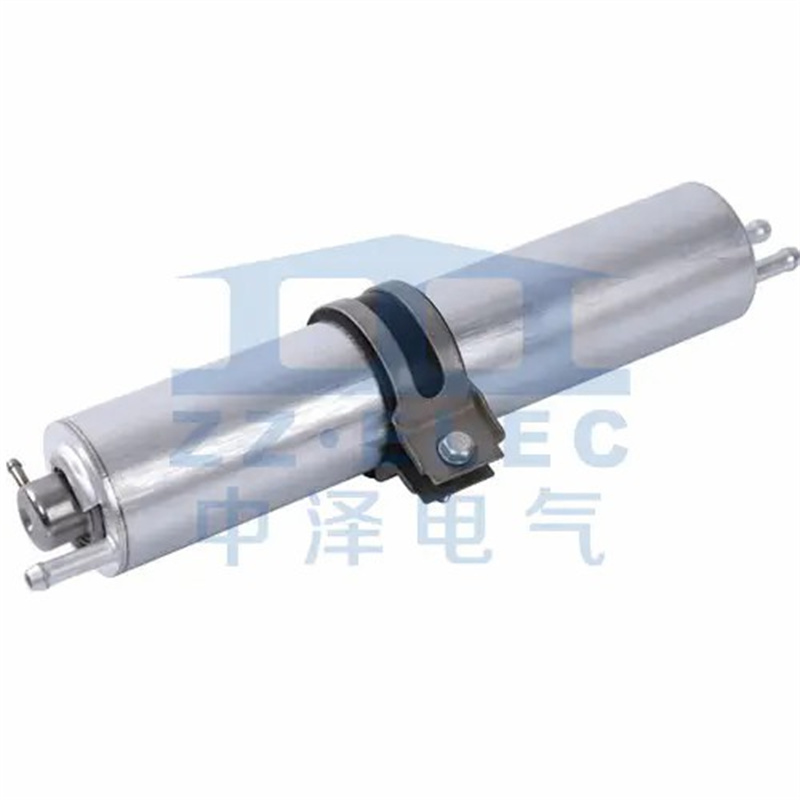
OE number:16126750475Representative models: BMW (Import) 7 (E65, E66, E67)
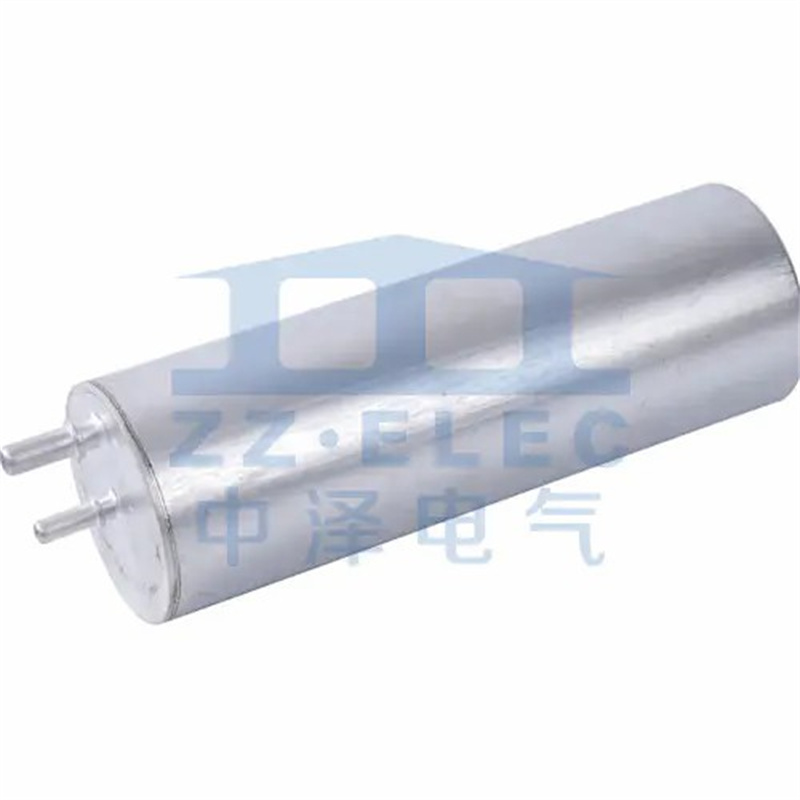
OE number:7H0127401DRepresentative models: VW import
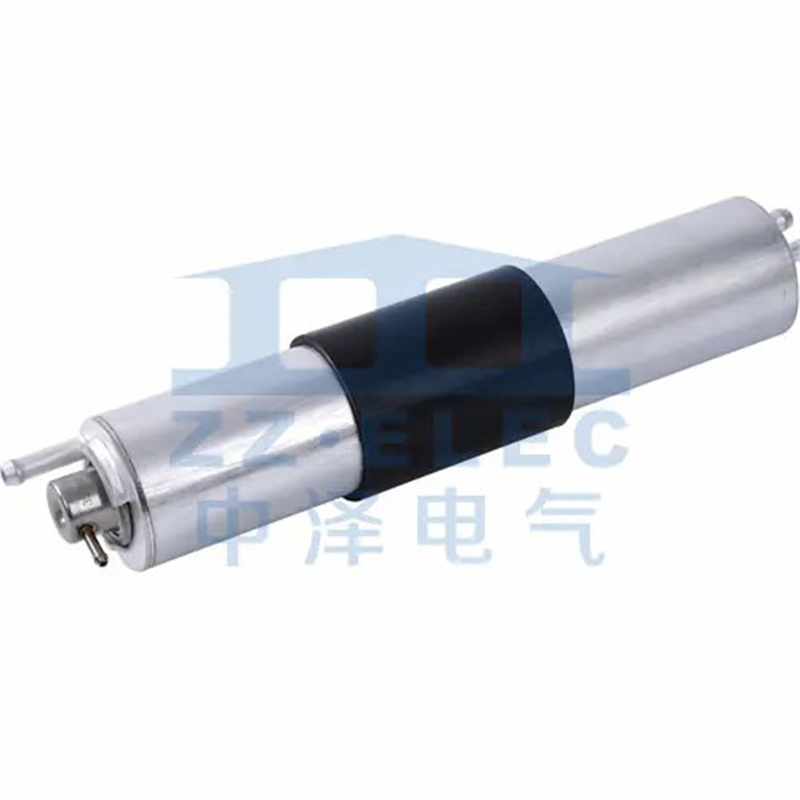
OE number:13327512019Representative models: BMW (import) Z3
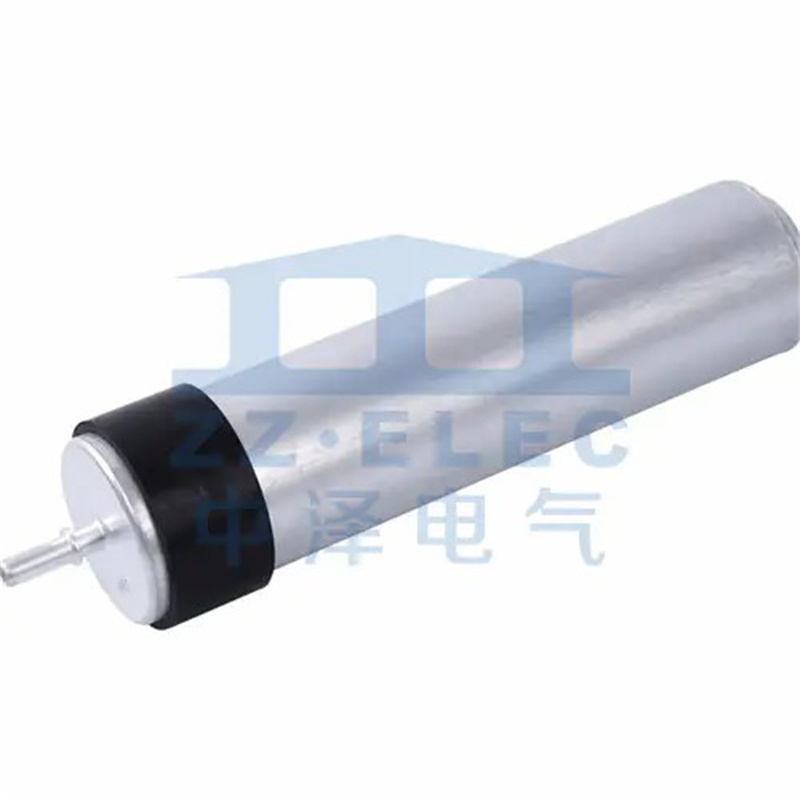
OE number:MANN: WK5015ZRepresentative models: BMW
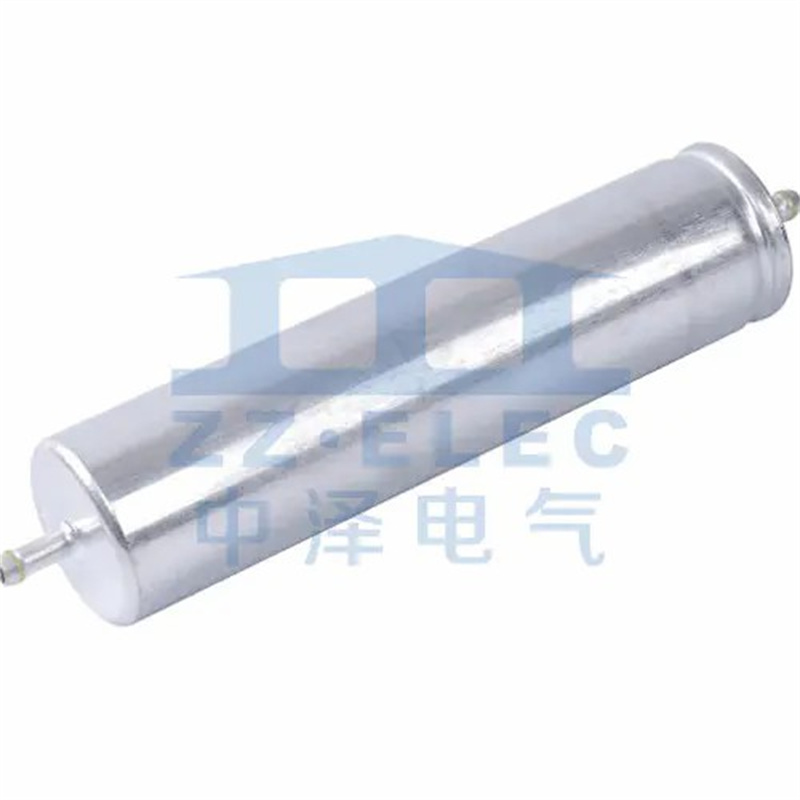
OE number:13 32 1 713 808Representative models: BMW (Import) 8 (E31), BMW (Import) 3 Compact (E36)

Copyright © Zhejiang ZZ Electric Co., Ltd. All Rights Reserved.
Custom Aluminium Cold Extrusions Manufacturers