English
 中文简体
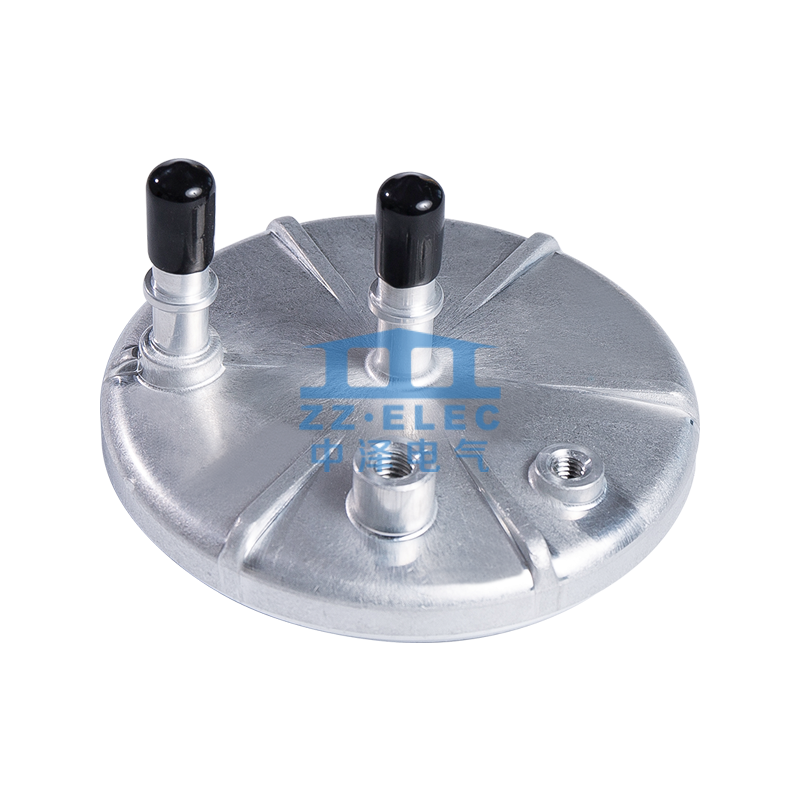
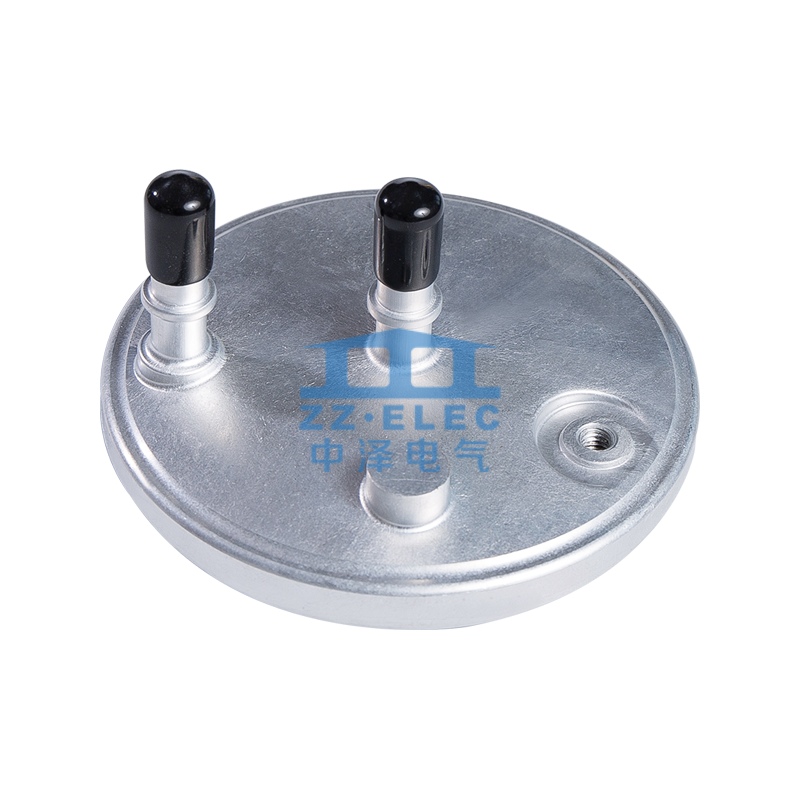
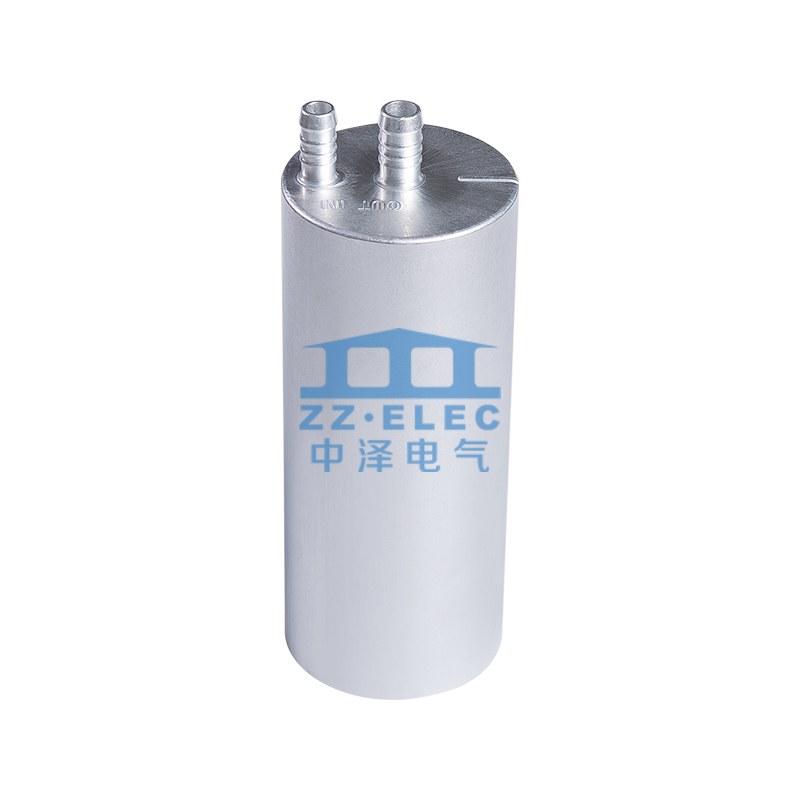
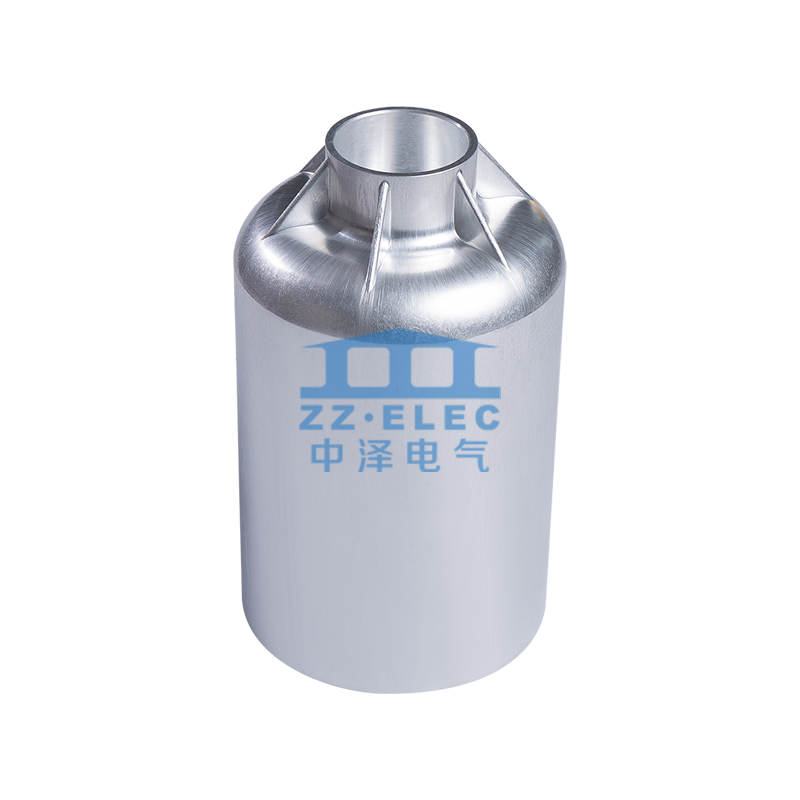
中文简体Fuel Filter Structure
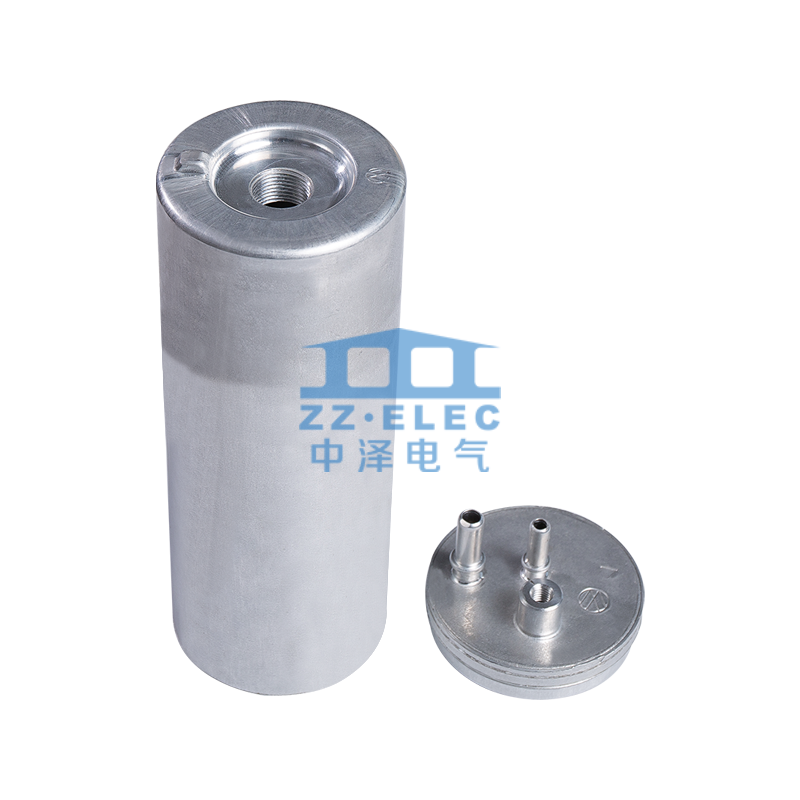
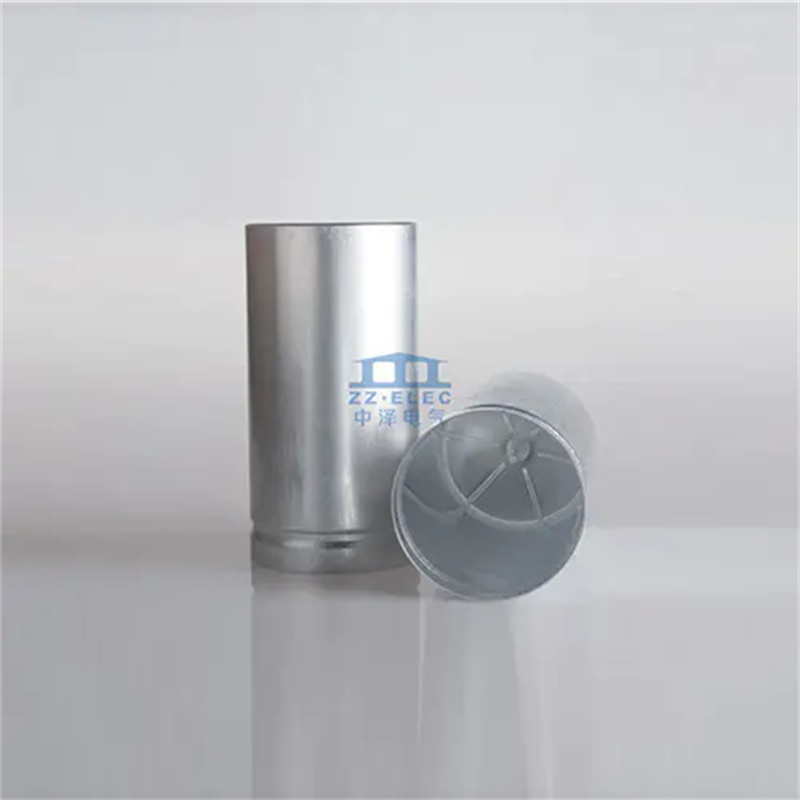
Fuel filter cover&housingType: nearly every existingMaterial: AL1060We specialize in Aluminum cold extrusion. Fuel filter cover and housing could ...

Content
When working on electronics projects, choosing the right Capacitor Case for Electronics Projects can greatly improve the organization and protection of components. Proper storage prevents damage to sensitive capacitors, ensures easy access during assembly, and reduces the risk of misplacement or short circuits. Engineers and hobbyists alike benefit from cases that balance durability, size, and accessibility.
| Feature | Benefit |
| Material | Durable plastic or reinforced cases prevent physical damage |
| Compartment Design | Separate sections reduce accidental mixing of capacitor types |
| Labeling Options | Enables quick identification and reduces errors in project assembly |
A Capacitor Case with Labeling and Storage offers advanced organizational benefits beyond simple containment. Labeling allows immediate recognition of capacitance values, voltage ratings, and tolerance, which is essential for accurate circuit assembly. Storage solutions that incorporate labeling improve workflow efficiency and prevent costly mistakes, especially in complex projects involving multiple capacitor types.
| Labeling Type | Usage |
| Pre-printed labels | Instant identification without manual entry |
| Writable inserts | Flexible labeling for evolving projects |
| Color coding | Quick visual sorting for different capacitance ranges |
For protecting delicate PCB-mounted capacitors, a Best Protective Capacitor Case for PCB Components ensures components remain intact during transport and storage. Such cases often feature anti-static materials, shock-resistant padding, and precise compartment sizing. Investing in a protective case reduces the risk of component failure, which can be expensive and time-consuming in professional electronics projects.
| Case Feature | Protection Level |
| Anti-static foam | Prevents ESD damage to sensitive capacitors |
| Shock-proof compartments | Absorbs impact during transport or accidental drops |
| Secure latches | Ensures the case stays closed and components remain safe |
A Capacitor Case Organizer for Small Parts is designed to simplify handling of tiny electronic components. These cases allow hobbyists and professionals to maintain an orderly workspace and quickly locate necessary capacitors during assembly or repair. By organizing capacitors alongside other small components, these organizers streamline workflow and reduce clutter, which improves efficiency and minimizes mistakes.
| Organizer Feature | Benefit |
| Adjustable compartments | Accommodates various capacitor sizes |
| Transparent lids | Quick visual inspection without opening all trays |
| Stackable units | Maximizes workspace while keeping components organized |
When capacitors are used in outdoor electronics or exposed environments, a Waterproof Capacitor Case for Outdoor Use is essential. These cases provide protection against moisture, dust, and extreme temperatures. By investing in waterproof cases, engineers ensure long-term reliability and prevent environmental damage, which is critical for projects in outdoor automation, solar energy setups, or remote sensor deployments.
| Waterproof Feature | Purpose |
| Sealed rubber gasket | Prevents water and dust entry |
| UV-resistant plastic | Protects against sun damage and heat |
| Reinforced hinges | Maintains long-term durability for outdoor use |
Selecting the perfect Capacitor Case requires balancing functionality, size, protection level, and budget. Whether you are storing capacitors for electronics projects, organizing small parts, or ensuring waterproof protection, understanding your usage scenario is key. Choosing the right case can save time, prevent component loss, and improve overall project efficiency.
| Case Type | Recommended Use |
| Electronics project cases | Quick access and organization for frequent assembly tasks |
| Protective cases for PCB components | Long-term storage and safe transport |
| Waterproof cases | Outdoor applications and exposure to harsh conditions |
In conclusion, selecting a Capacitor Case requires careful evaluation of your storage needs, environmental conditions, and organizational preferences. Cases with labeling, modular compartments, and protective features enhance usability and safety. Whether for hobbyist electronics projects or professional PCB assembly, a well-chosen capacitor case ensures component longevity and efficient workflow.
Choosing the right size depends on the number and variety of capacitors used. A medium-sized case with adjustable compartments is recommended for mixed electronics projects. This allows organization by capacitance, voltage, and type while keeping the case portable. Ensure there is extra room for future expansion to avoid frequent upgrades.
Labeling and storage significantly reduce the time spent searching for the correct capacitor. By clearly marking capacitance values, voltage ratings, and tolerance, users can quickly select the correct component, minimizing errors in assembly. Additionally, it supports better inventory management and prevents overstocking or component wastage.
Yes, waterproof Capacitor Cases for Outdoor Use are essential when capacitors are exposed to moisture, dust, or extreme temperatures. These cases prevent environmental damage, maintain performance integrity, and extend component lifespan. They are particularly recommended for solar projects, outdoor sensors, or fieldwork electronics kits.
Protective cases for PCB components incorporate anti-static materials, shock-proof compartments, and secure latches. Unlike standard storage, these cases safeguard sensitive components from electrostatic discharge, accidental drops, and environmental hazards. This is crucial for high-value or delicate electronics where component failure can be costly.
Absolutely. While designed for capacitors, these organizers are versatile and can store resistors, LEDs, ICs, screws, and other small electronic components. Adjustable compartments and modular designs make them suitable for any workshop requiring organization of small parts, ensuring efficient workflow and reduced clutter.
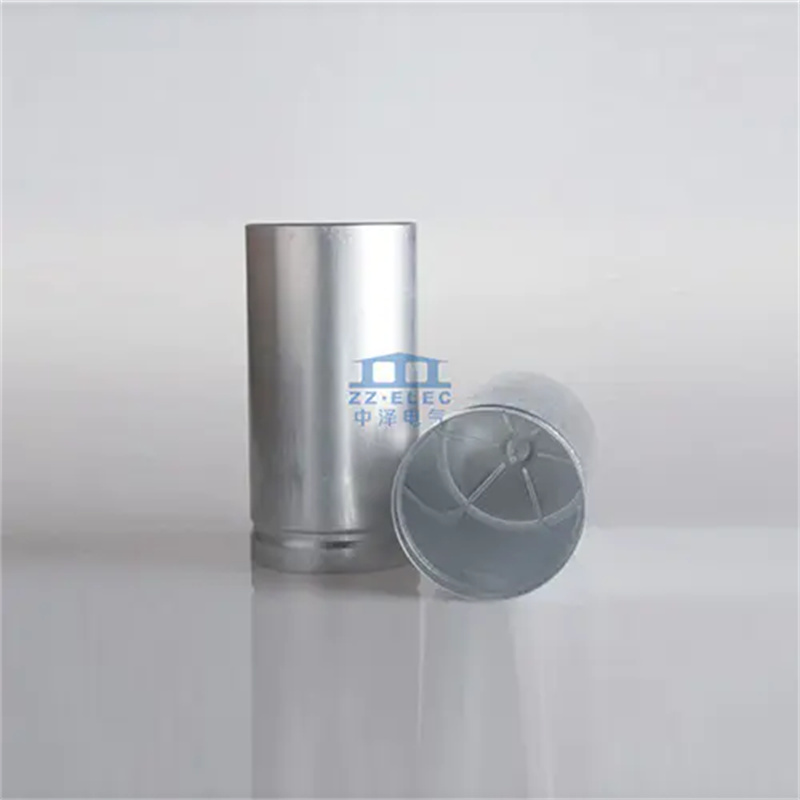
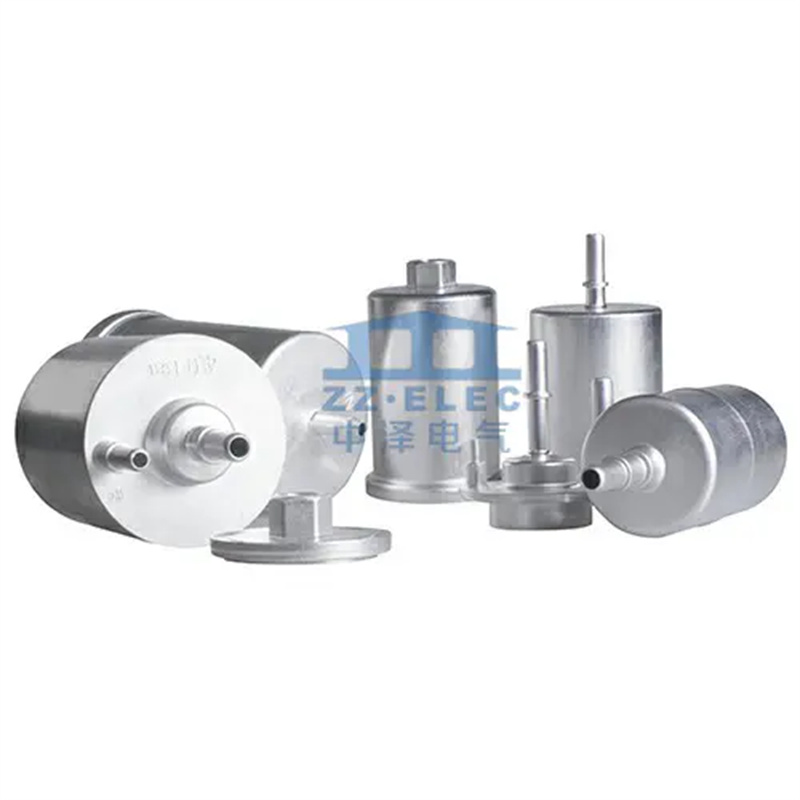
Fuel filter cover&housingType: nearly every existingMaterial: AL1060We specialize in Aluminum cold extrusion. Fuel filter cover and housing could ...
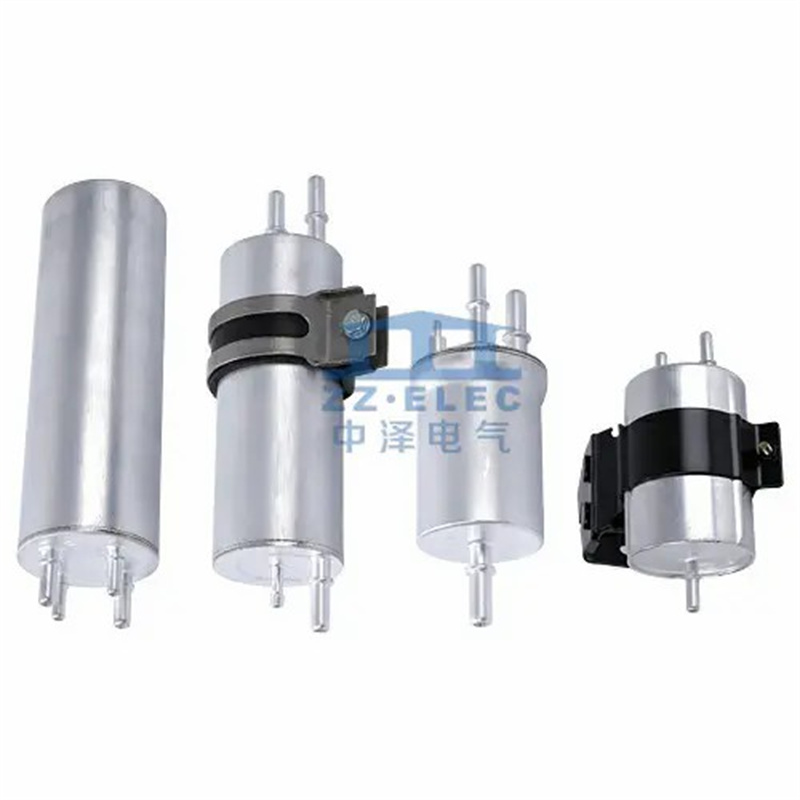
After a quality assurance test, the response speed is faster, the price is lower, and it is easy to install.Material: Made of high-quality aluminum.
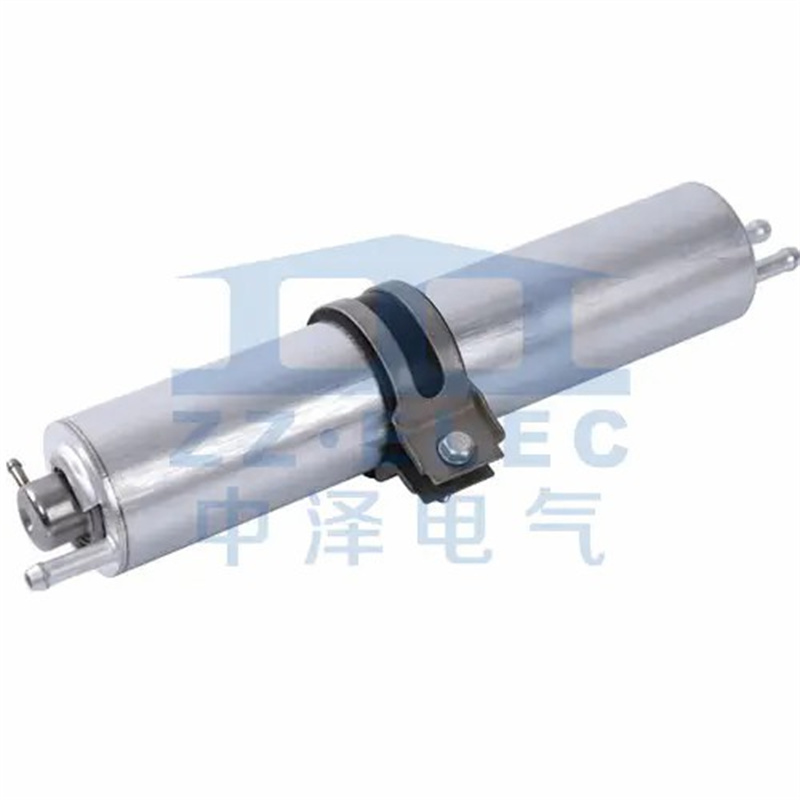
OE number:16126750475Representative models: BMW (Import) 7 (E65, E66, E67)
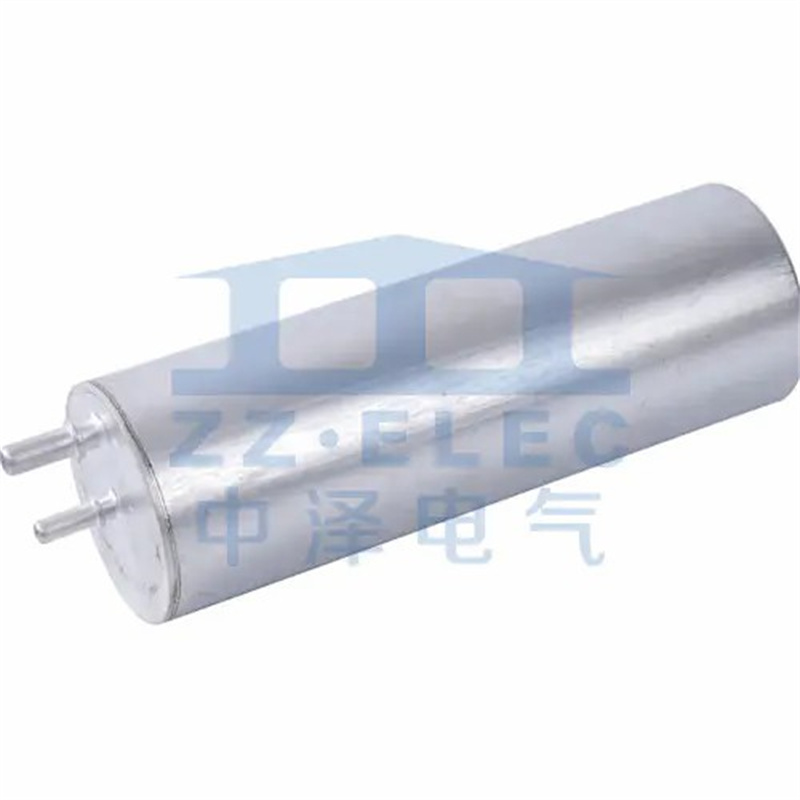
OE number:7H0127401DRepresentative models: VW import
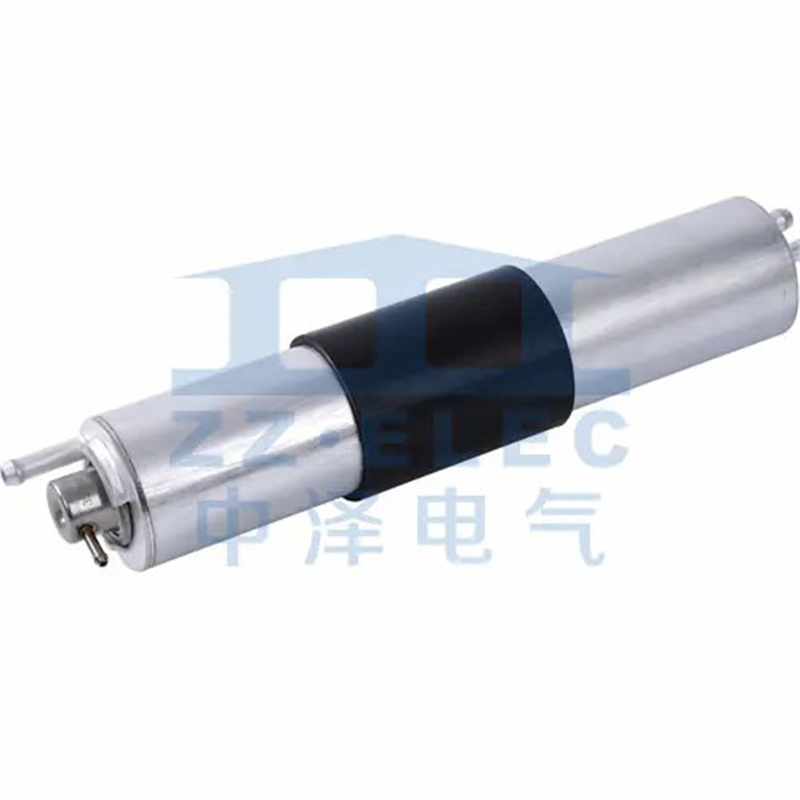
OE number:13327512019Representative models: BMW (import) Z3
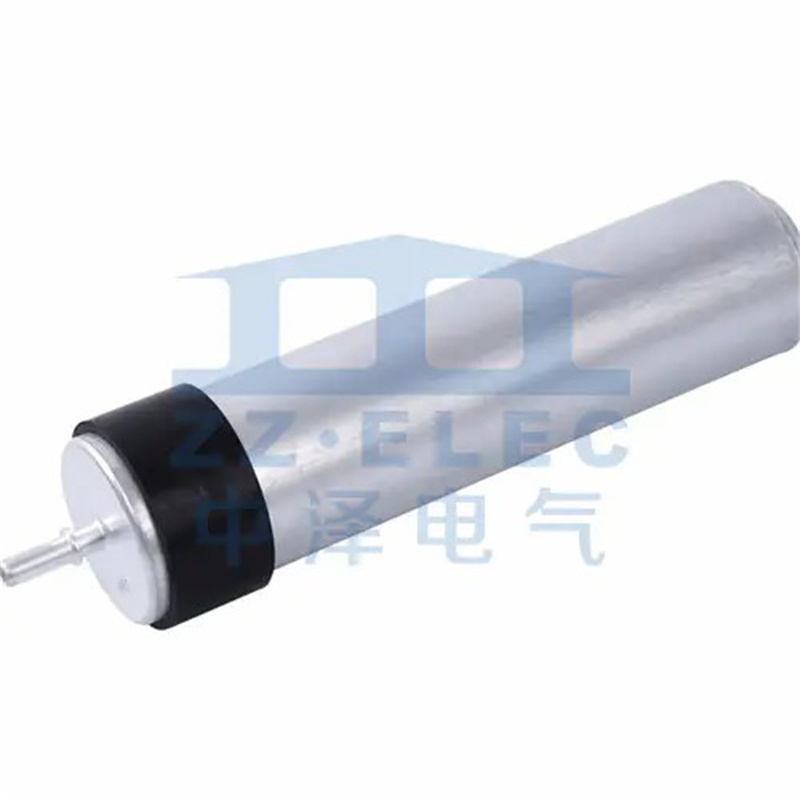
OE number:MANN: WK5015ZRepresentative models: BMW
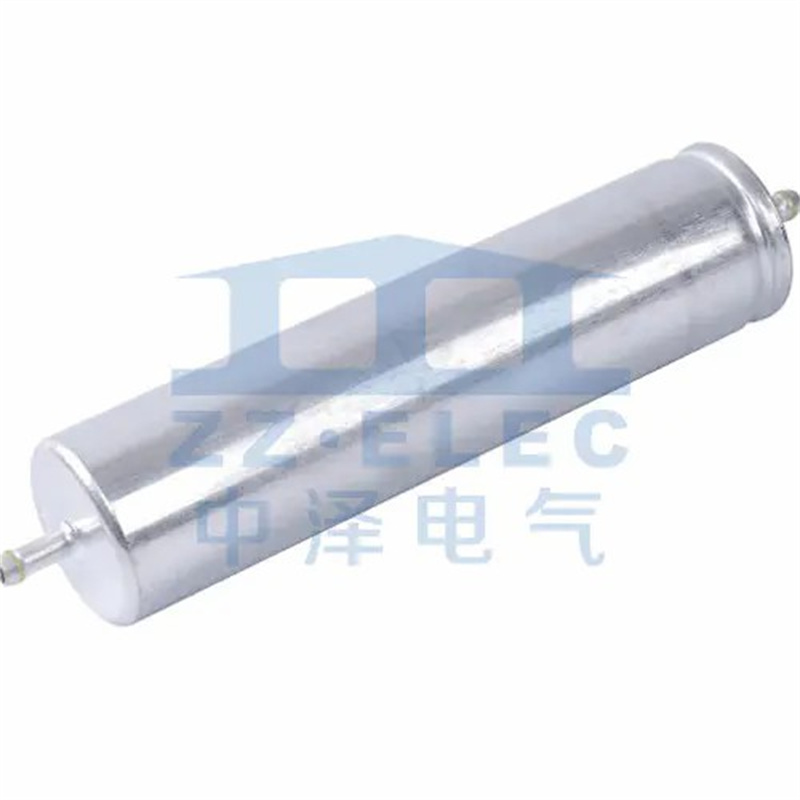
OE number:13 32 1 713 808Representative models: BMW (Import) 8 (E31), BMW (Import) 3 Compact (E36)

Copyright © Zhejiang ZZ Electric Co., Ltd. All Rights Reserved.
Custom Aluminium Cold Extrusions Manufacturers