English
 中文简体
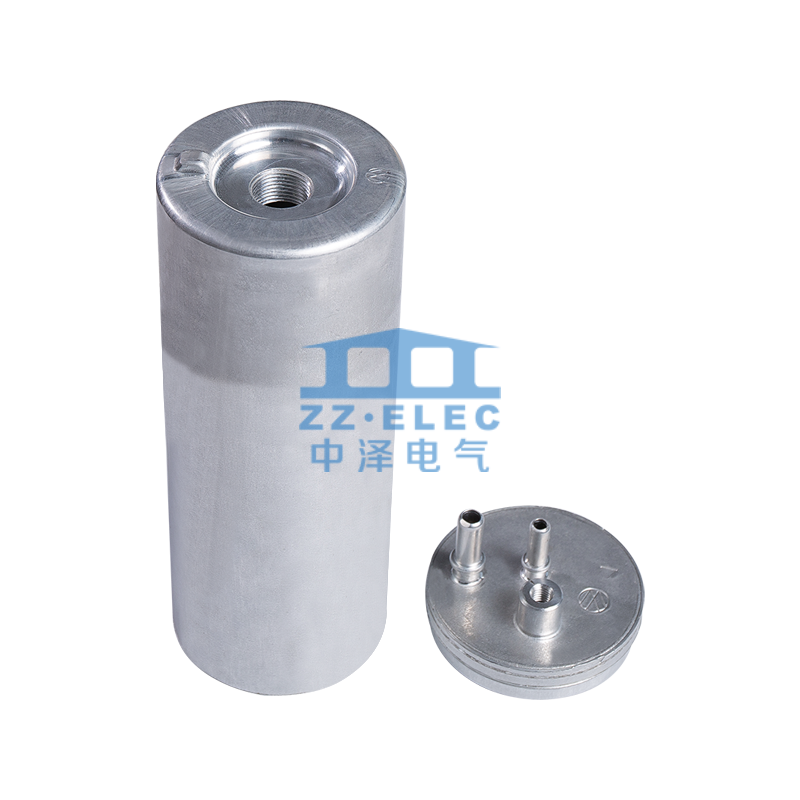
中文简体Fuel Filter Structure
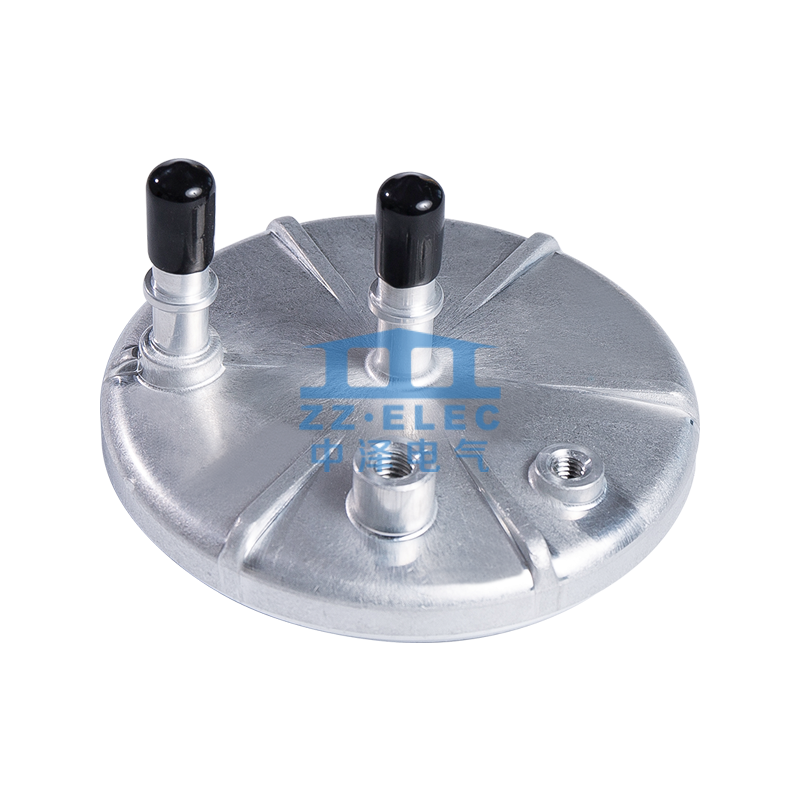
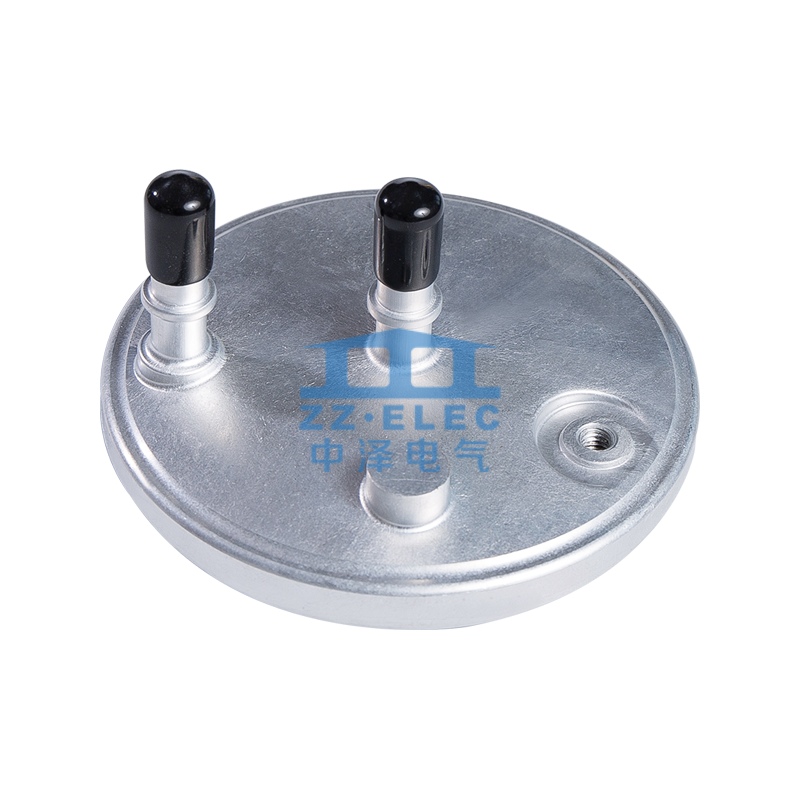
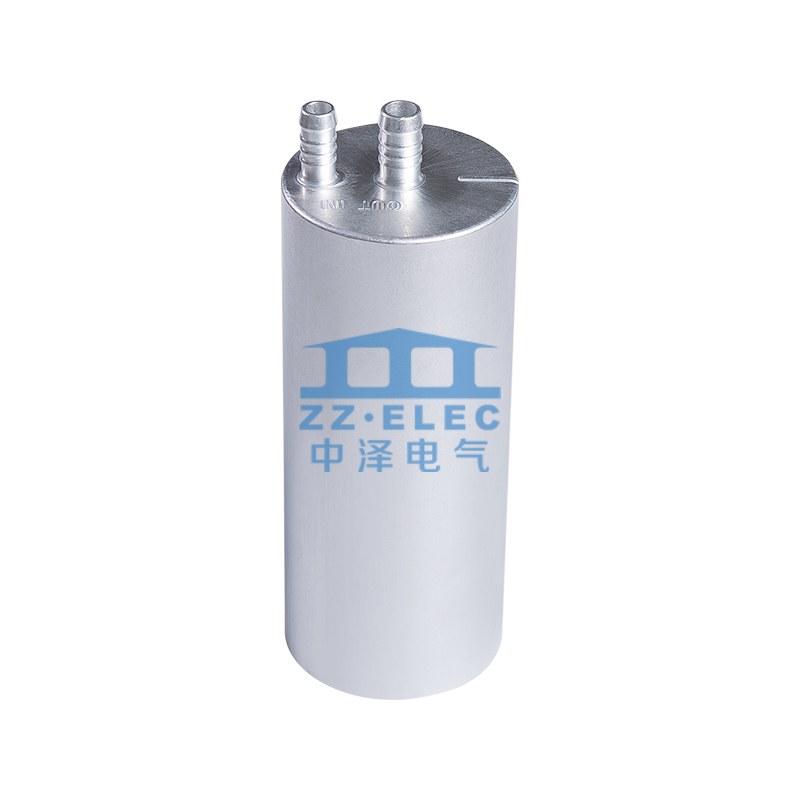
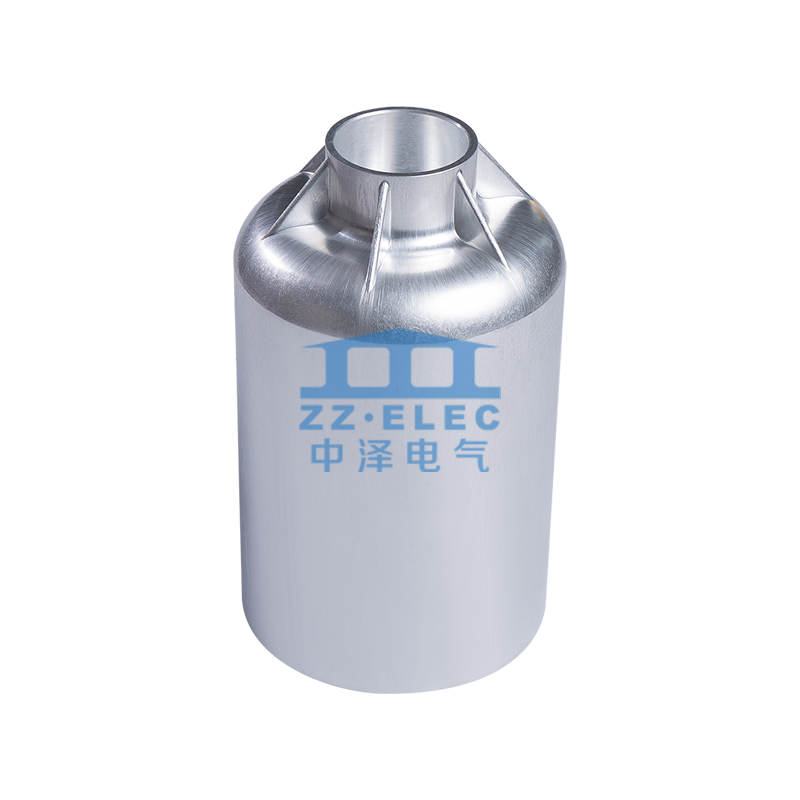
Fuel filter cover&housingType: nearly every existingMaterial: AL1060We specialize in Aluminum cold extrusion. Fuel filter cover and housing could ...


Content
In the electronics industry, the internal components of a device often receive the most attention. However, the external protection is equally important. The Capacitor Case serves as the first line of defense for the delicate dielectric materials inside. It protects the internal windings from moisture, dust, and mechanical stress. Engineers know that a failure in the casing leads to a failure in the circuit. Therefore, understanding the technical aspects of these housings is crucial for procurement specialists.
A high-quality case ensures the longevity and stability of the electronic component. It maintains the chemical stability of the electrolyte. It also provides necessary insulation to prevent short circuits.
The choice of material defines the performance of the casing. Different types of capacitors require different materials based on their operating principles. The two most common categories are metal and polymer.
For electrolytic capacitors, the housing is typically made of aluminum. The aluminum electrolytic capacitor housing acts as the cathode connection in many designs. This metal offers excellent thermal conductivity. It helps to transfer heat away from the internal core. Heat is a major factor that degrades capacitor life. The aluminum surface is usually etched to increase surface area, but the casing itself is smooth for durability. Manufacturers often use a rubber seal at the bottom or top to close the case. This seal is critical for preventing electrolyte leakage.
Film capacitors often use polymer-based housings. A plastic film capacitor case provides superior electrical insulation. These cases are often made from PBT (Polybutylene Terephthalate) or PET (Polyethylene Terephthalate). Plastics are lighter than metals. They are also non-conductive, which enhances safety in high-density circuits. These cases are usually rectangular or cylindrical. They protect the wound film from physical damage. Engineers prefer plastic cases for applications requiring high dielectric strength.
The following table compares the properties of these common materials:
| Material Type | Thermal Conductivity | Insulation Property | Typical Application |
| Aluminum Alloy | High (~200 W/mK) | Conductive (Requires sleeve) | Electrolytic Capacitors |
| PBT Plastic | Low (~0.25 W/mK) | Excellent | Film Capacitors, SMDs |
| Ceramic | Medium | Excellent | High Voltage, High Temp |
Engineers must consider several factors when selecting capacitor casing materials. The operating temperature range is the first consideration. Aluminum can withstand higher temperatures than standard plastics. Corrosion resistance is another key factor. If the capacitor operates in a humid environment, the case must resist rust. For aluminum, an oxide layer provides protection. For plastics, the material must not degrade under UV exposure or chemical contact. Mechanical strength is also vital. The case must withstand the pressure of the winding and external vibration.
The seal is the weakest point in any casing system. A proper Capacitor Case design integrates a robust sealing method. For aluminum cases, a rubber gasket compressed by the can rim is standard. For plastic cases, epoxy resin or ultrasonic welding is common. The seal must prevent the ingress of moisture. Moisture can change the dielectric constant of the internal material. It can also cause corrosion. In high-voltage applications, the case is often impregnated with oil or resin. This impregnation removes air pockets. Air pockets can cause partial discharges that destroy the capacitor.
High-voltage applications demand stricter safety standards. A high-voltage capacitor enclosure must prevent arcing. The surface of the case must be smooth and clean to avoid tracking. Tracking is a path of conduction formed on the surface of an insulator. The distance between terminals, known as creepage distance, is strictly regulated by IEC standards. The enclosure material must also have a high Comparative Tracking Index (CTI). This index measures the material's resistance to electrical tracking. Engineers should verify that the enclosure meets these international safety norms.
For wholesale buyers, the protection extends beyond the component itself. Electronic component packaging solutions are vital for logistics. Bulk capacitors are sensitive to static electricity. Therefore, the outer packaging must be anti-static. Tape and reel packaging is common for surface-mount device (SMD) cases. It allows for automated assembly on PCBs. For larger through-hole capacitors, tray packaging is preferred. The packaging must absorb shock during shipping. Procurement managers should check the packaging specifications to ensure the components arrive without damage.
Dimensional tolerance is critical for automated assembly. If a Capacitor Case is even slightly out of size, it can jam pick-and-place machines. Manufacturers use optical sorting machines to check dimensions. They check the diameter, height, and lead spacing. Quality control also involves checking for leaks. Manufacturers use pressure decay testing to ensure the seal is intact. This test pressurizes the case and measures if the pressure drops over time.
The table below outlines common quality inspection methods:
| Inspection Method | Target Defect | Accuracy Level |
| Visual Inspection | Surface scratches, dents | Low |
| Optical Profiling | Dimensional tolerance | High (Microns) |
| Pressure Decay Test | Seal leakage | High |
| X-Ray Inspection | Internal voids, connection quality | Very High |
The selection of the right casing is a technical decision. It involves analyzing materials, thermal properties, and sealing technologies. Whether sourcing an aluminum housing or a plastic enclosure, the quality determines the reliability of the final product. Engineers and buyers must collaborate to ensure specifications meet the application needs. By understanding these technical details, businesses can reduce failure rates and improve product performance.
The material protects the internal elements from environmental stress. It also influences the thermal management and electrical insulation of the component.
Aluminum cases are conductive. They often require an insulating sleeve. Plastic and ceramic cases are non-conductive and provide natural insulation.
High temperatures can cause plastic cases to deform. Aluminum cases handle heat better but require proper sealing to prevent the electrolyte from drying out.
This refers to the lead configuration. Radial leads exit from one side of the case. Axial leads exit from opposite ends. The choice depends on the PCB design.
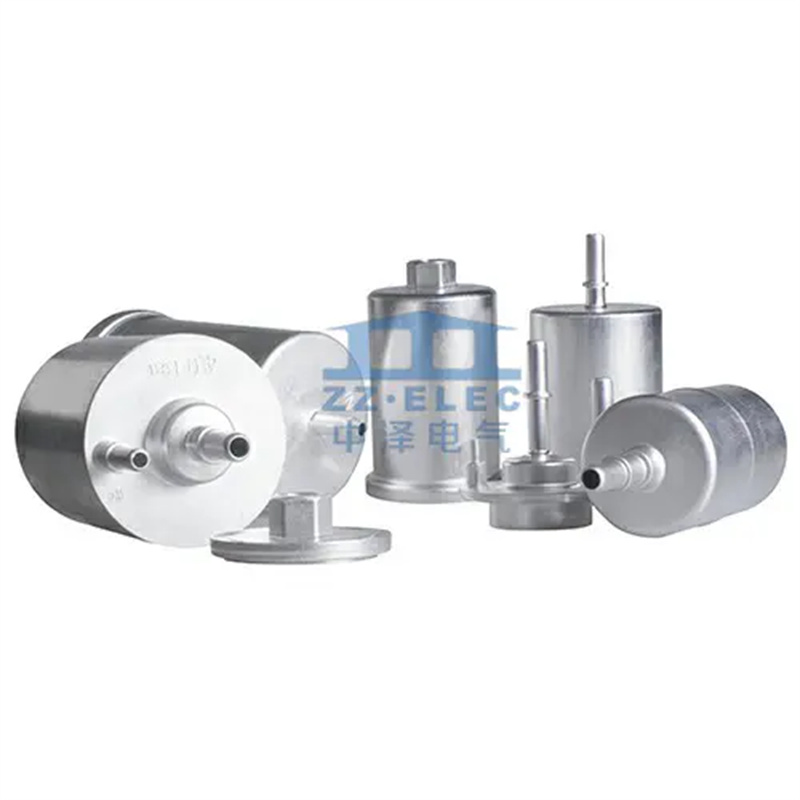
Fuel filter cover&housingType: nearly every existingMaterial: AL1060We specialize in Aluminum cold extrusion. Fuel filter cover and housing could ...
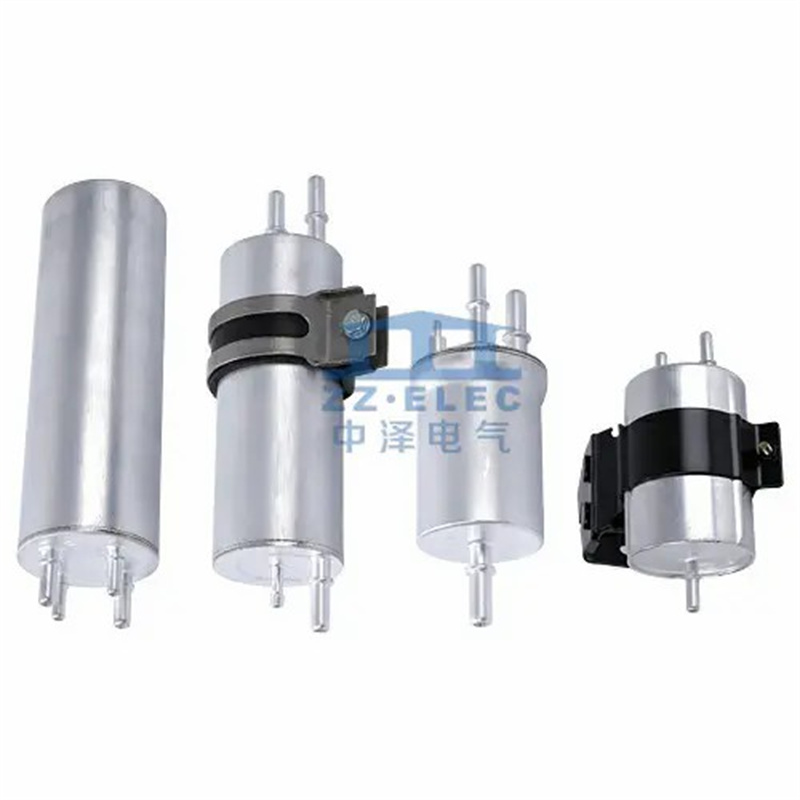
After a quality assurance test, the response speed is faster, the price is lower, and it is easy to install.Material: Made of high-quality aluminum.
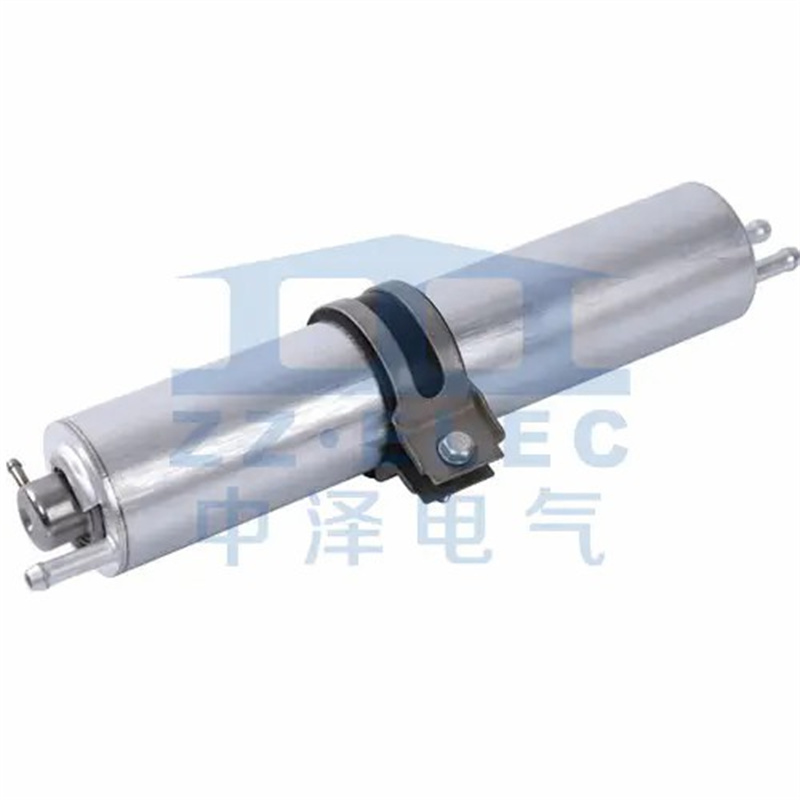
OE number:16126750475Representative models: BMW (Import) 7 (E65, E66, E67)
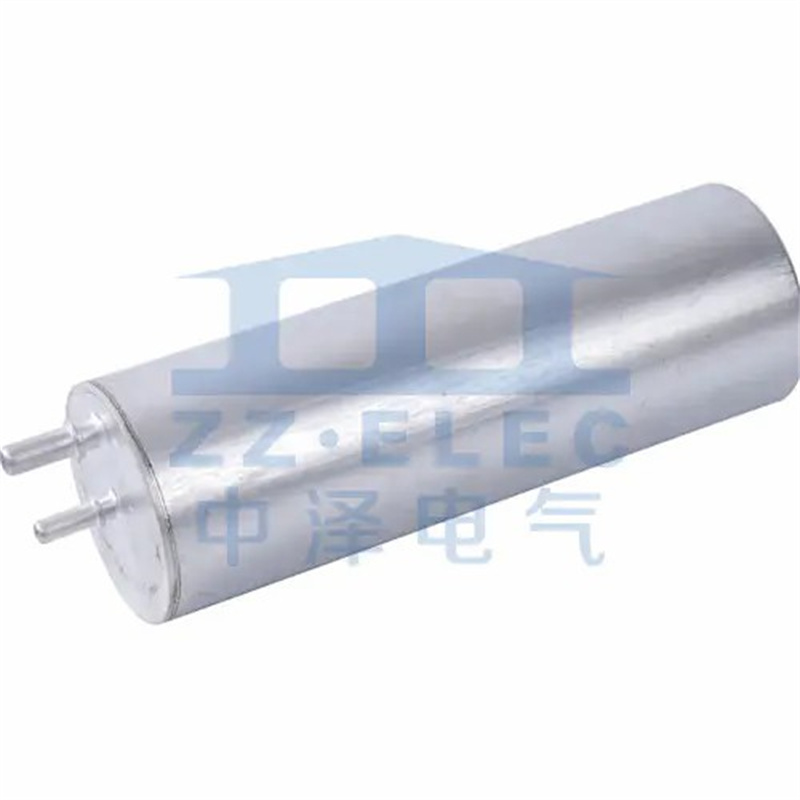
OE number:7H0127401DRepresentative models: VW import
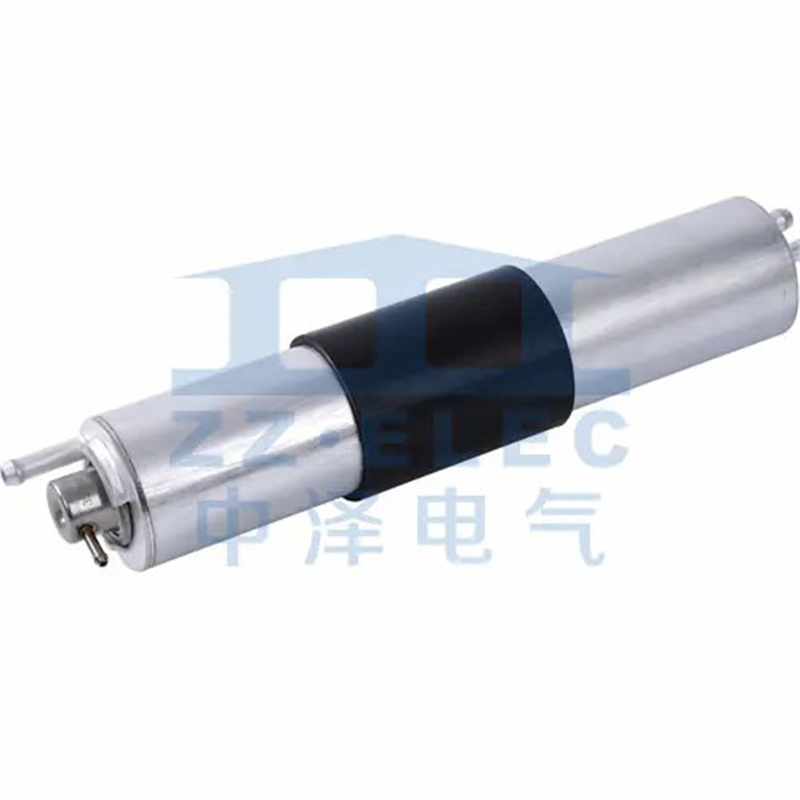
OE number:13327512019Representative models: BMW (import) Z3
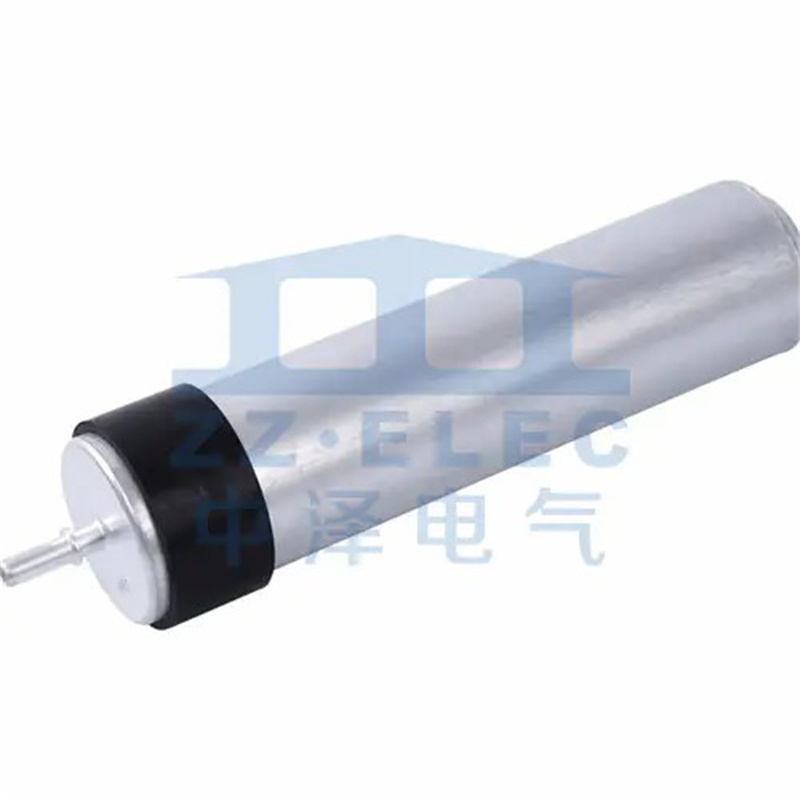
OE number:MANN: WK5015ZRepresentative models: BMW
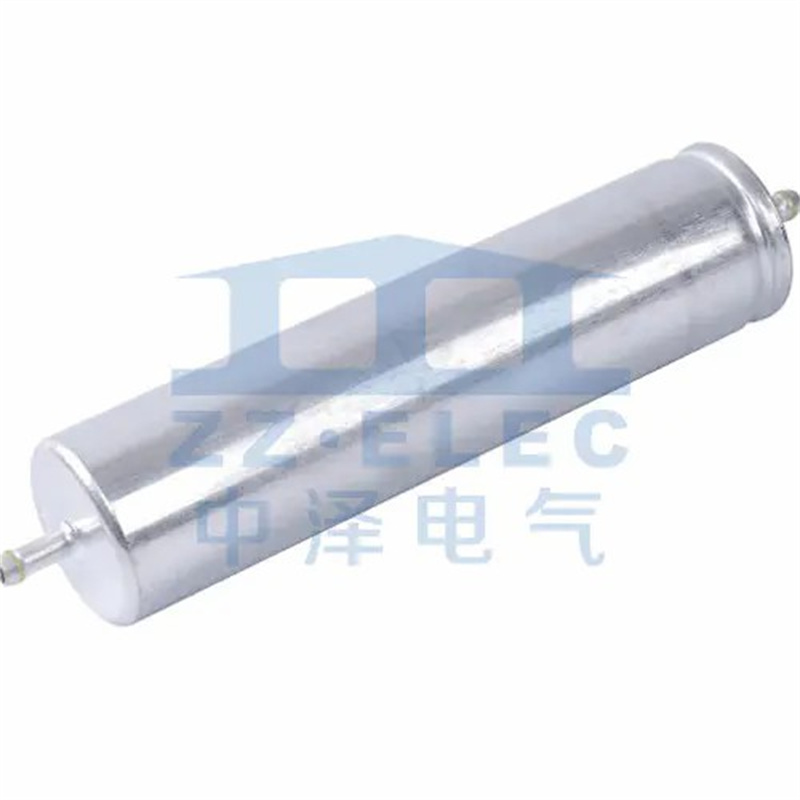
OE number:13 32 1 713 808Representative models: BMW (Import) 8 (E31), BMW (Import) 3 Compact (E36)

Copyright © Zhejiang ZZ Electric Co., Ltd. All Rights Reserved.
Custom Aluminium Cold Extrusions Manufacturers