English
 中文简体
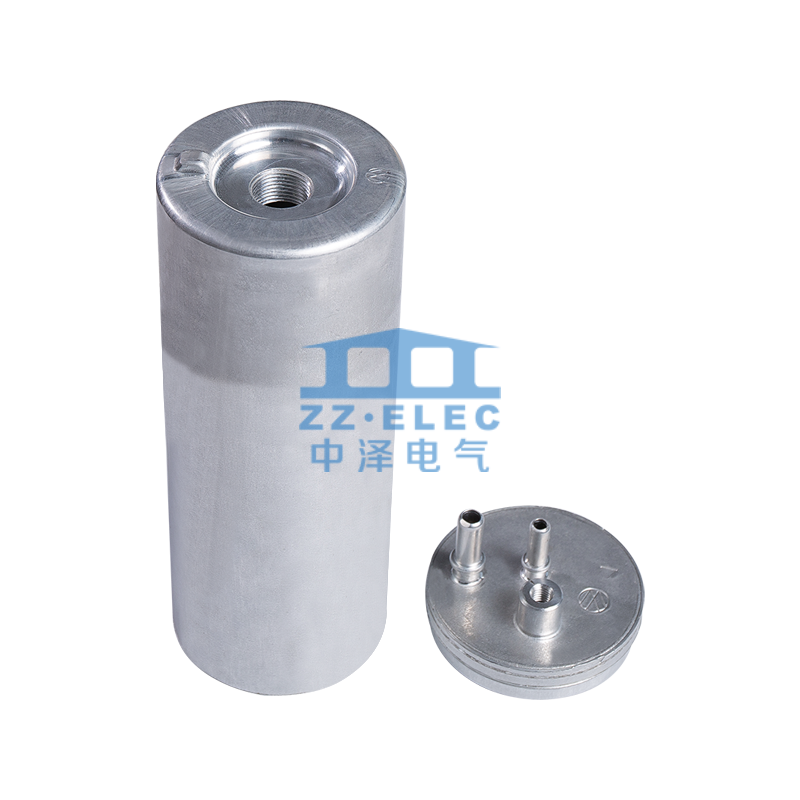
中文简体Fuel Filter Structure
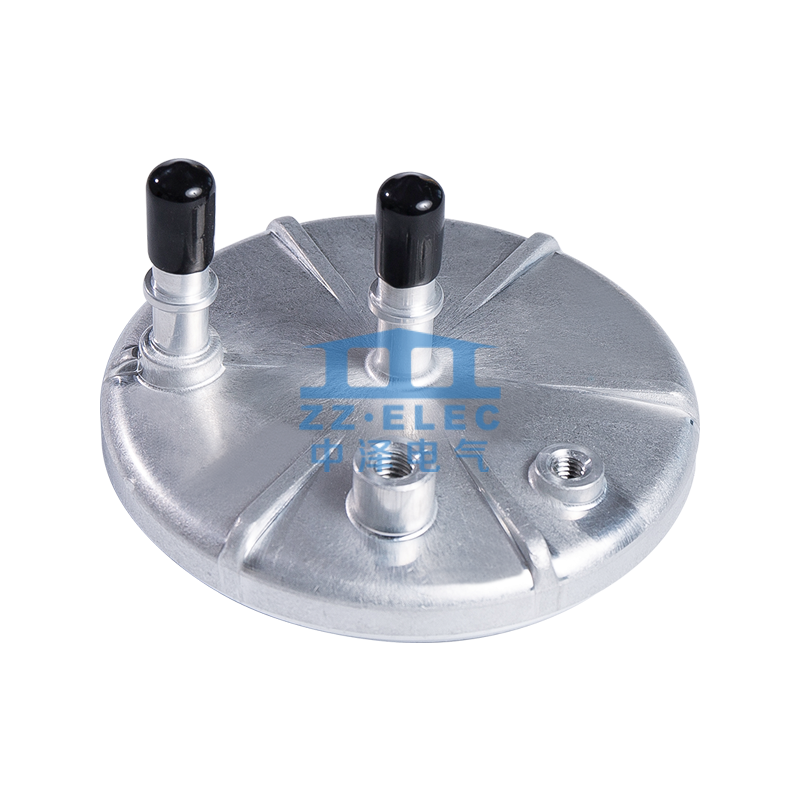
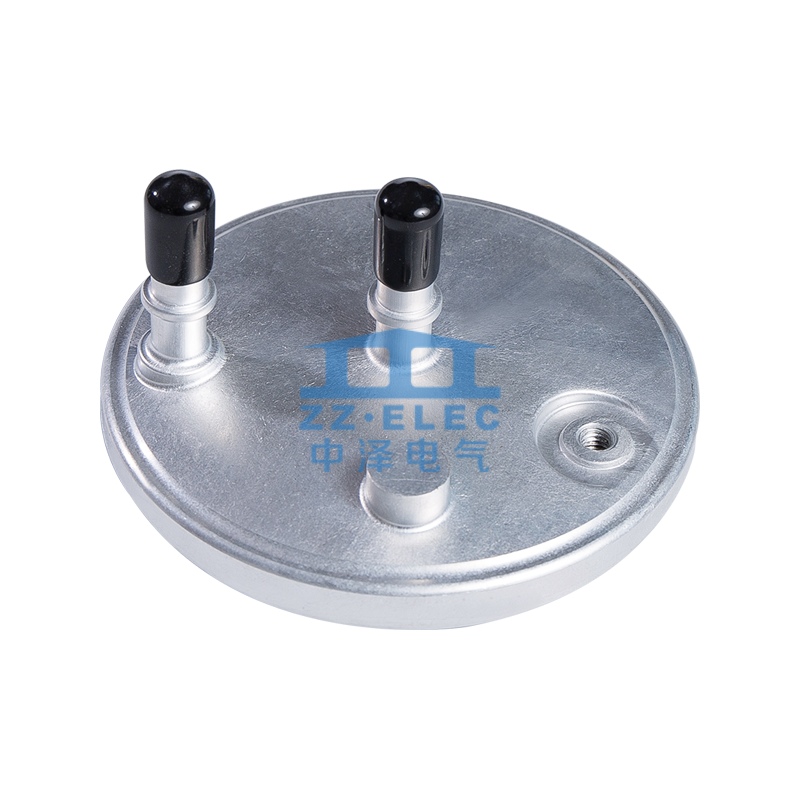
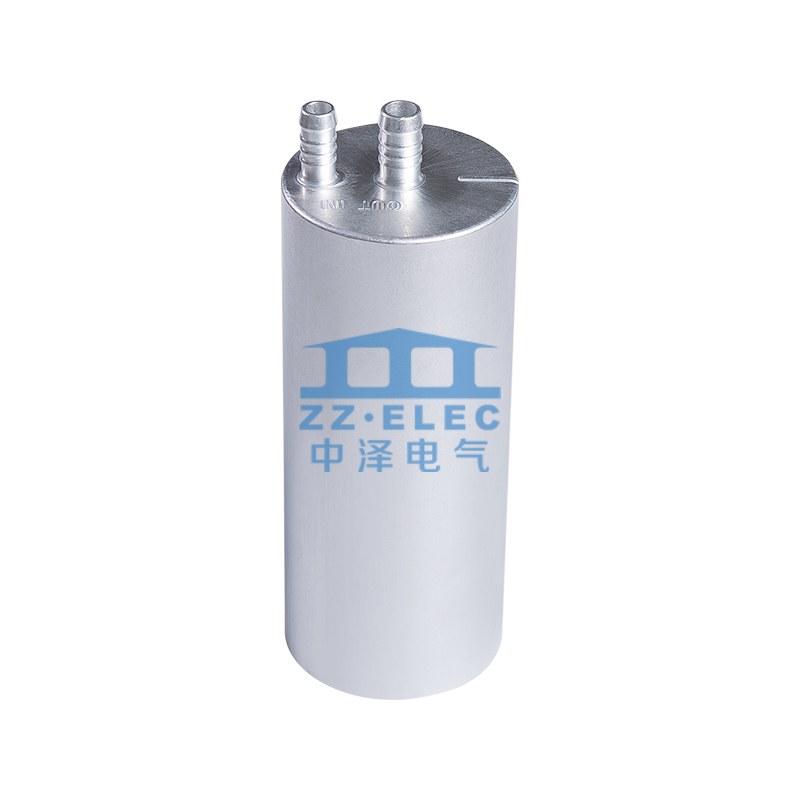
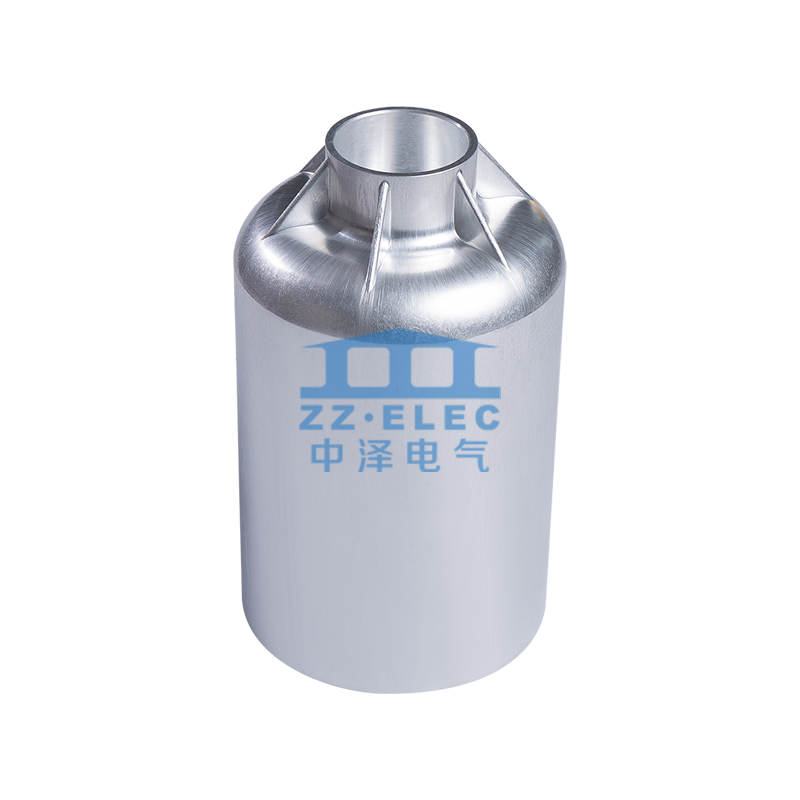
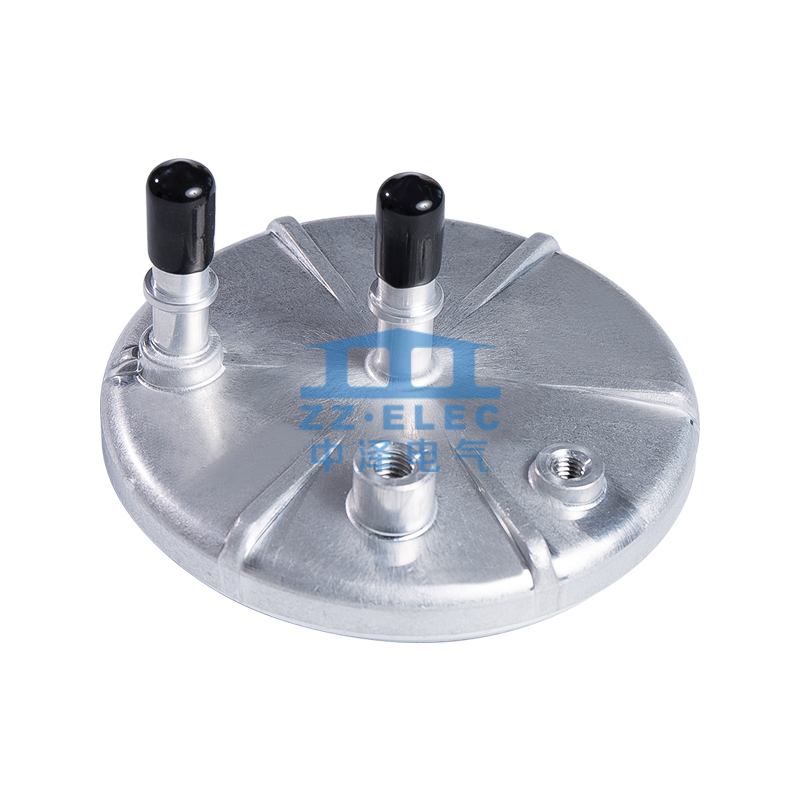
Fuel filter cover&housingType: nearly every existingMaterial: AL1060We specialize in Aluminum cold extrusion. Fuel filter cover and housing could ...

Auto Components
Navigating the world of auto components can be complex, especially when faced with the choice between original equipment and aftermarket options. The aftermarket parts industry is vast, offering everything from exact-equivalent replacements to high-performance upgrades and budget-friendly alternatives. Understanding this landscape is the first step toward making an informed decision that balances cost, quality, and performance. The right choice depends on your vehicle's needs, your budget, and your long-term goals, whether it's a simple repair or a complete restoration. A clear grasp of the different types of parts available ensures you don't overpay for features you don't need or compromise on quality where it matters most.
The OEM auto parts vs aftermarket debate is central to any vehicle repair or upgrade. OEM (Original Equipment Manufacturer) parts are made by the company that produced the parts for the car when it was new, guaranteeing a perfect fit and the same quality as the original. Aftermarket parts are produced by a third-party company and are designed to function the same as the OEM part. While OEM parts offer peace of mind through guaranteed compatibility, aftermarket parts often provide a wider selection, competitive pricing, and in some cases, improved performance or materials over the original design.
When choosing between OEM and aftermarket, it's essential to weigh three key factors: quality, warranty, and cost. OEM parts typically come with a one-year warranty through the dealership and offer the highest assurance of quality and fitment. Aftermarket parts, however, have a much broader range. High-end aftermarket manufacturers may offer lifetime warranties and superior materials, while economy-grade parts might have shorter warranties and more variable quality. Cost is where aftermarket parts shine, often being significantly cheaper than their OEM counterparts, making them an attractive option for older vehicles or for owners on a tight budget.
| Factor | OEM Parts | Aftermarket Parts |
| Fitment | Guaranteed perfect fit | May require minor adjustments |
| Quality | Consistent, matches original | Varies widely by manufacturer |
| Selection | Limited to original design | Vast, including performance options |
| Cost | Higher | Generally lower, wide range |
| Warranty | Typically 1 year (dealership) | Varies from 90 days to lifetime |
Not all aftermarket auto components are created equal. They are generally categorized into three grades: economy, standard (OE-quality), and performance. Economy parts are the most affordable and are suitable for older vehicles where cost is the primary concern. Standard-grade parts are built to meet or exceed the original specifications and offer a good balance of cost and reliability. Performance parts are engineered for enhanced capabilities, such as increased power or durability, and are often used for racing or heavy-duty applications. Understanding these grades helps you select a part that matches your specific needs and expectations.
For many automotive enthusiasts, maintaining a vehicle is only half the battle; the other half is enhancing its performance. The market for high performance auto components is driven by the desire for more power, better handling, and a more engaging driving experience. Upgrading key systems can transform a standard vehicle into a high-performance machine. However, it's crucial to approach performance upgrades with a clear plan, focusing on components that work together harmoniously to achieve a desired outcome, whether it's faster acceleration on the track or more responsive handling on a winding road.
Investing in high performance auto components is about more than just adding horsepower; it's about improving the entire driving experience. These components are engineered from superior materials and with advanced designs to withstand greater stress and deliver optimal performance. From high-flow air intakes that improve engine breathing to performance exhaust systems that reduce backpressure, each upgrade contributes to a more efficient and powerful powertrain. The key is to select components that are compatible and work in concert to avoid creating bottlenecks or imbalances in the system.
The most common and effective performance upgrades focus on the engine's ability to breathe and the vehicle's ability to handle the added power. A cold air intake system increases airflow into the engine, while a performance exhaust system allows exhaust gases to exit more efficiently. Together, these can provide a noticeable boost in power and sound. Upgrading the suspension with performance shocks, struts, and sway bars improves cornering grip and stability, ensuring the vehicle can handle the increased power safely and effectively.
| Upgrade Category | Primary Benefit | Considerations |
| Cold Air Intake | Increased horsepower, better engine sound | May require tuning for optimal results |
| Performance Exhaust | More power, aggressive exhaust note | Can be loud, check local noise laws |
| Suspension Kit | Improved handling, better cornering | Can stiffen ride comfort |
While it's tempting to install the most aggressive auto components available, it's important to consider the impact on daily drivability. A race clutch may provide lightning-fast shifts but can be difficult to use in stop-and-go traffic. An extremely stiff suspension may offer track-level handling but result in a harsh and uncomfortable ride on city streets. The best approach is to choose performance parts that match your driving style and environment, creating a balanced vehicle that is both exciting to drive and comfortable for everyday use.
Restoring a classic car is a labor of love that requires a deep understanding of the vehicle's history and a commitment to authenticity. Finding the right auto components for classic car restoration is a unique challenge that goes far beyond a simple trip to the local parts store. It involves sourcing rare parts, verifying authenticity, and sometimes even fabricating components that are no longer in production. The goal is to bring a piece of automotive history back to its original glory, preserving its character and value for future generations to appreciate.
The search for auto components for classic car restoration is a treasure hunt that can lead enthusiasts to a variety of sources. These include specialized suppliers who deal exclusively in classic car parts, online forums and marketplaces where rare parts are traded, and auto swap meets where hidden gems can be found. Patience and persistence are key, as the correct part for a specific make and model may take months or even years to locate. Building a network of fellow enthusiasts and experts can be invaluable in uncovering those hard-to-find components.
When restoring a classic car, you generally have three options for parts: NOS (New Old Stock), reproduction, or fabricated. NOS parts are original components that were made by the OEM but never sold, offering the ultimate in authenticity. Reproduction parts are newly manufactured replicas of the original, offering varying levels of quality and accuracy. Fabricated parts are custom-made to replace an unobtainable component. The best choice depends on the level of authenticity you're aiming for, your budget, and the availability of the part.
| Part Type | Authenticity | Cost | Availability |
| NOS (New Old Stock) | 100% Authentic | Very High | Extremely Rare |
| Reproduction | Varies (Good to Poor) | Medium | Good |
| Fabricated | Functional, not authentic | High (labor cost) | Always an option |
One of the biggest challenges in classic car restoration is distinguishing high-quality reproduction parts from poor ones. Low-quality reproductions may not fit correctly, may be made from inferior materials, and can detract from the vehicle's value. It's crucial to buy from reputable suppliers who have a track record of quality and to consult with experts in the specific make and model you are restoring. Joining a car club for your vehicle can provide access to a wealth of knowledge and trusted parts sources.
Commercial vehicles operate under conditions that are far more demanding than those of a typical passenger car. They carry heavy loads, travel long distances, and are expected to operate with minimal downtime. This places extreme stress on every component of the vehicle. Selecting the right heavy duty truck components is therefore not a matter of choice but a necessity for safety, efficiency, and profitability. These components are engineered with robust materials and designs to withstand the rigors of constant commercial use.
For fleet managers and owner-operators, maximizing uptime is the top priority. A breakdown means lost revenue and costly repairs. Selecting heavy duty truck components from reputable manufacturers is the first line of defense against failures. These parts, such as reinforced suspension components, heavy-duty brakes, and durable engine parts, are designed to last longer under extreme stress. Investing in quality components upfront reduces the total cost of ownership by minimizing maintenance intervals and preventing unexpected breakdowns.
The durability of heavy-duty auto components comes down to advanced materials and intelligent engineering. Components are often made from hardened steel, forged alloys, and composites that can resist fatigue, corrosion, and wear. Engineering features like increased bearing surfaces, reinforced stress points, and improved cooling systems are incorporated to handle higher loads and temperatures. Understanding the materials and design features that go into these components helps in selecting parts that are truly built for the job.
| Component | Heavy-Duty Feature | Benefit |
| Brakes | Larger rotors, multi-piston calipers | Improved heat dissipation, stopping power |
| Suspension | Leaf springs, heavy-duty shock absorbers | Increased load-carrying capacity |
| Engine | Forged crankshaft, hardened valve seats | Enhanced durability under high load |
Even the best heavy duty truck components will fail prematurely without a rigorous preventative maintenance schedule. Regular inspections, fluid changes, and replacement of wear items before they fail are essential for keeping a fleet on the road. A well-maintained vehicle is not only more reliable but also more fuel-efficient and safer to operate. For commercial operations, a proactive maintenance strategy is a critical business practice that protects the investment in both the vehicle and its high-quality components.
Today's vehicles are more electronic than mechanical, with complex networks of sensors, wires, and control modules that manage everything from engine performance to entertainment systems. The auto electrical system components form the nervous system of the car, and a fault in one area can cause issues throughout the entire vehicle. Understanding the basics of this system, including the battery, alternator, and starter, is crucial for both diagnosing problems and performing upgrades. As vehicles become more advanced, so does the complexity of their electrical systems.
The core auto electrical system components include the battery, which stores electrical energy; the alternator, which recharges the battery and powers the electrical system while the engine is running; and the starter motor, which cranks the engine to start it. These three work in a delicate balance. A weak battery can't start the engine, and a failing alternator will drain the battery, leaving you stranded. Modern systems also include a vast array of sensors, control modules, and wiring harnesses that communicate over networks like the CAN bus.
Many common electrical problems can be traced back to the battery, starter, or alternator. A no-start condition is often a dead battery or a faulty starter motor. Dimming lights or a warning light on the dashboard can indicate a failing alternator. Diagnosing these issues often requires a multimeter to test battery voltage and alternator output. Understanding the symptoms of a failing component can help you pinpoint the problem quickly and avoid replacing parts unnecessarily.
| Symptom | Potential Cause | Diagnostic Test |
| Engine won't crank | Dead battery, bad starter | Check battery voltage, test starter draw |
| Dimming lights | Failing alternator | Test alternator output with engine running |
| Intermittent electrical faults | Bad ground, wiring issue | Visual inspection of wiring harness |
The modern vehicle's electrical architecture is dominated by the Controller Area Network (CAN bus) system. This network allows various control modules (ECUs) to communicate with each other over a single or pair of wires, reducing the complexity and weight of the wiring harness. This is what enables advanced features like adaptive cruise control, lane-keeping assist, and complex infotainment systems. While this makes vehicles more capable, it also makes diagnostics more complex, often requiring specialized scan tools to interpret the data being shared across the network.
The reliability of aftermarket auto components varies significantly by manufacturer. Reputable aftermarket brands often produce parts that meet or exceed OEM quality and may even offer improved designs. These companies invest in research and development and back their products with strong warranties. However, the market also includes low-budget manufacturers who may use inferior materials and lax quality control. The key is to choose aftermarket parts from well-known, trusted brands and to read reviews from other consumers and professional mechanics.
Increasing horsepower involves improving the engine's efficiency. The most common starting points are a "cold air" intake system and a less restrictive exhaust system. These modifications help the engine breathe more easily. Other effective methods include using a performance tuner to optimize the engine's computer (ECU) settings, upgrading the fuel system, and, for more significant gains, forced induction with a turbocharger or supercharger. It's important to approach modifications in a balanced way to ensure all components work together safely.
NOS (New Old Stock) parts are original, factory-made components that have never been used but have been sitting in inventory for years. They offer 100% authenticity but can be extremely rare and expensive. Reproduction parts are newly manufactured by third-party companies to replicate the original part. Their quality can range from excellent to poor. High-quality reproductions are often indistinguishable from NOS parts, while low-quality ones may have fitment or material issues. The choice depends on your restoration goals, budget, and the availability of the specific part.
For heavy-duty trucks, the most critical auto components to maintain are those related to safety and stopping power, as well as those that prevent catastrophic failure. This includes the brake system (pads, rotors, air lines), tires, and steering components. Equally important is the engine's cooling system (radiator, hoses, coolant) to prevent overheating, and the drivetrain (transmission, differentials) with regular fluid changes. Proactive maintenance of these systems is essential for preventing costly downtime and ensuring the safety of the driver and others on the road.
A car battery that repeatedly dies is often a symptom of a deeper issue within the auto electrical system components. While the battery itself could be old and failing, the problem is frequently a faulty alternator that is not recharging the battery properly. Other common causes include parasitic drains—where an electrical component like a light or a module stays on when the car is off—or corroded battery terminals and wiring that impede current flow. A proper diagnosis using a multimeter to test for draw and alternator output is necessary to find the root cause.
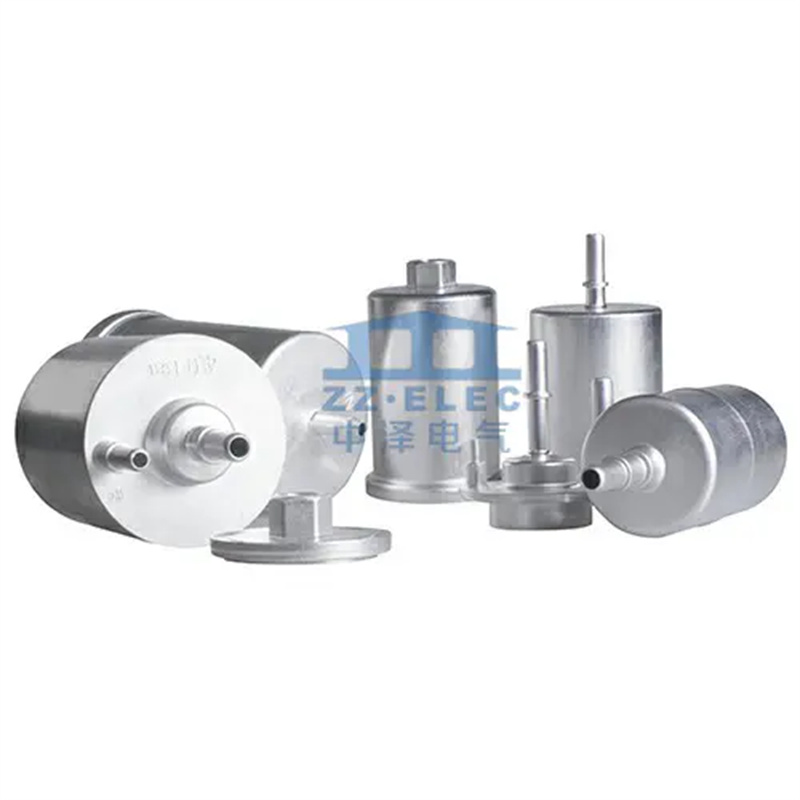
Fuel filter cover&housingType: nearly every existingMaterial: AL1060We specialize in Aluminum cold extrusion. Fuel filter cover and housing could ...
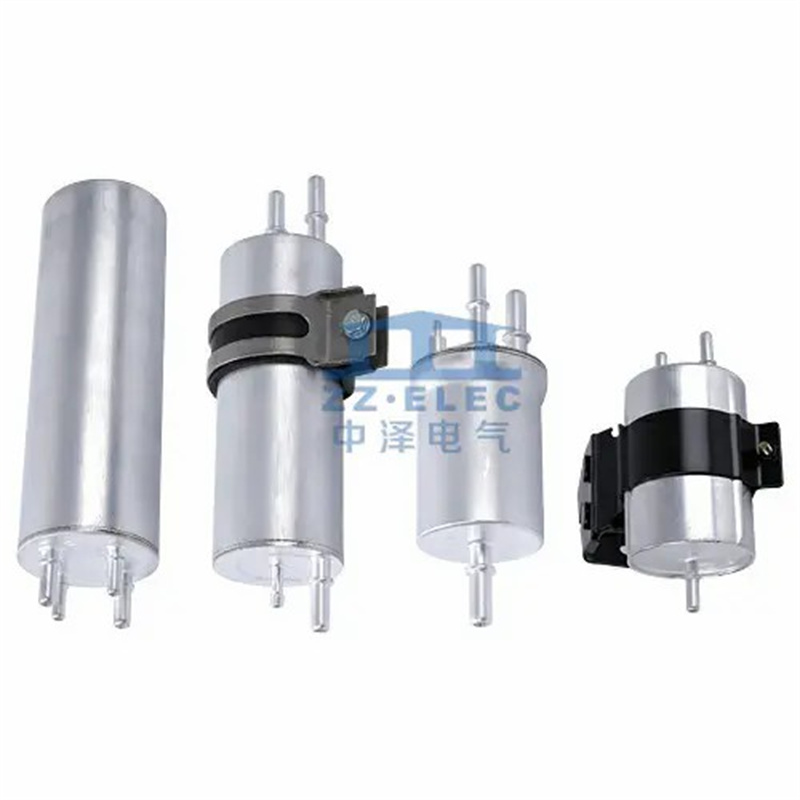
After a quality assurance test, the response speed is faster, the price is lower, and it is easy to install.Material: Made of high-quality aluminum.
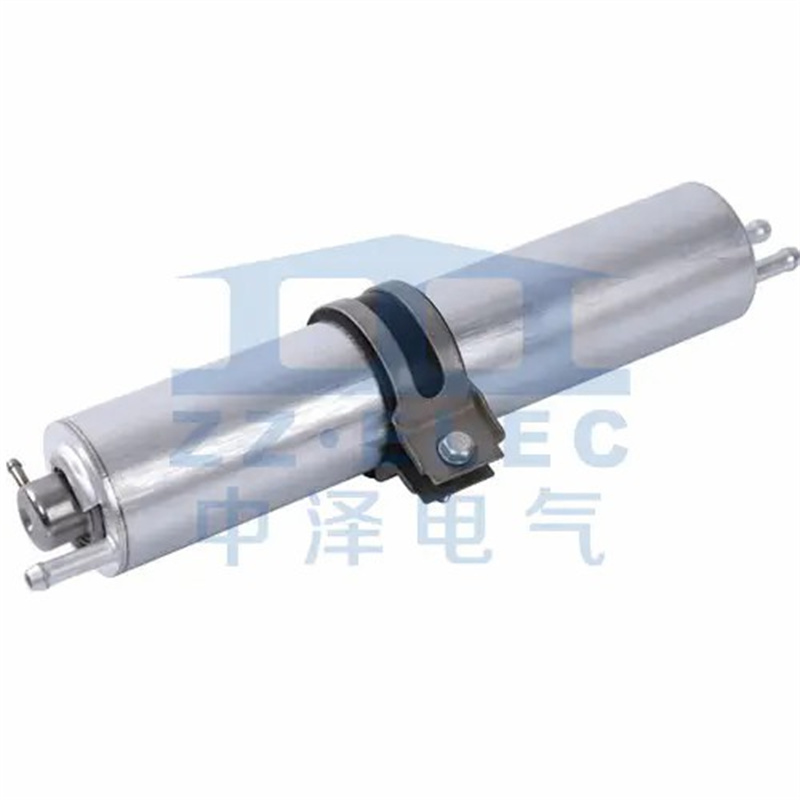
OE number:16126750475Representative models: BMW (Import) 7 (E65, E66, E67)
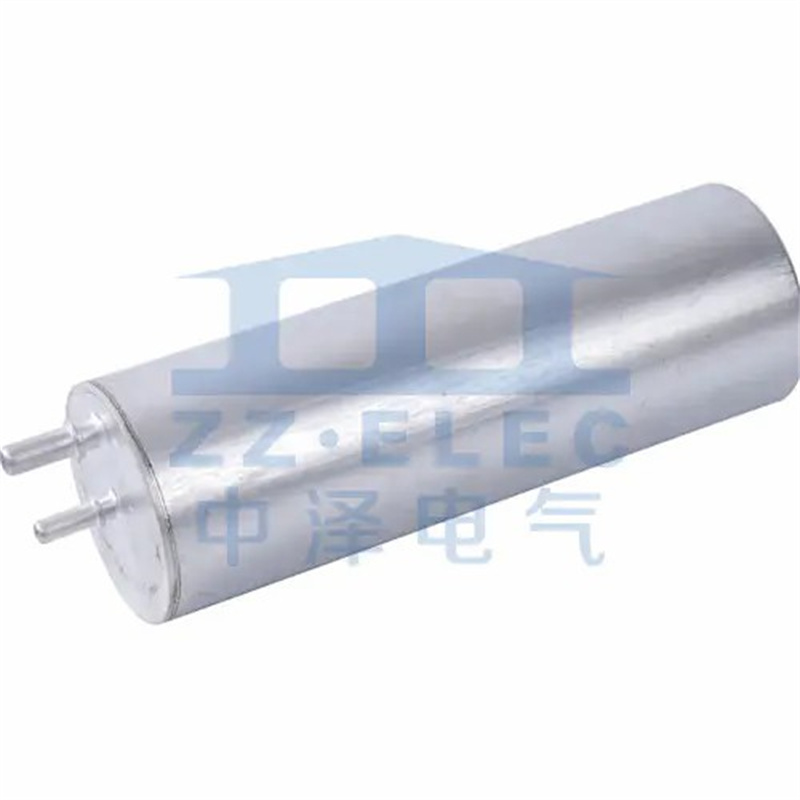
OE number:7H0127401DRepresentative models: VW import
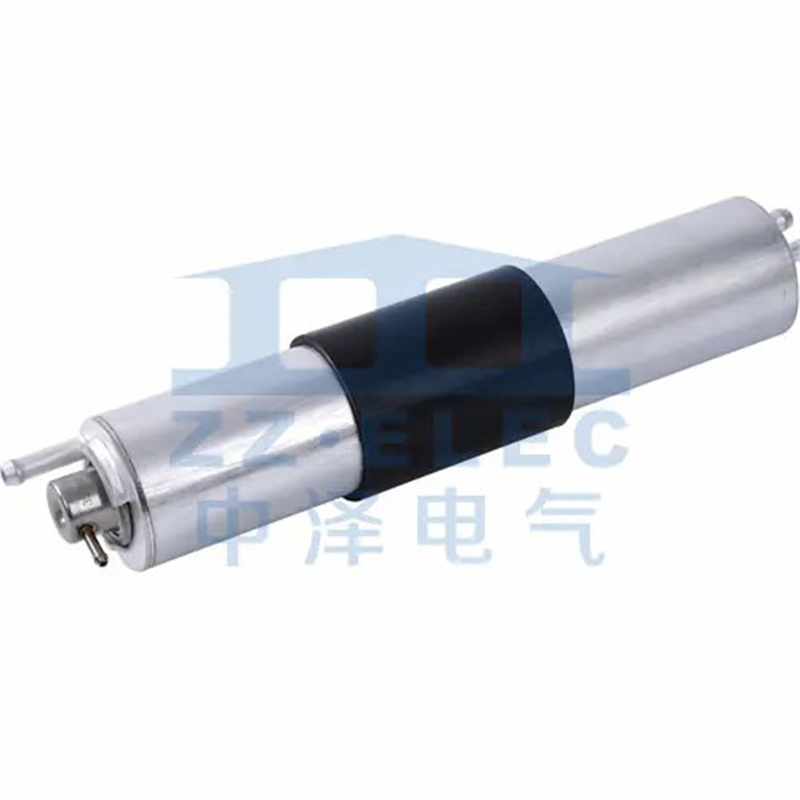
OE number:13327512019Representative models: BMW (import) Z3
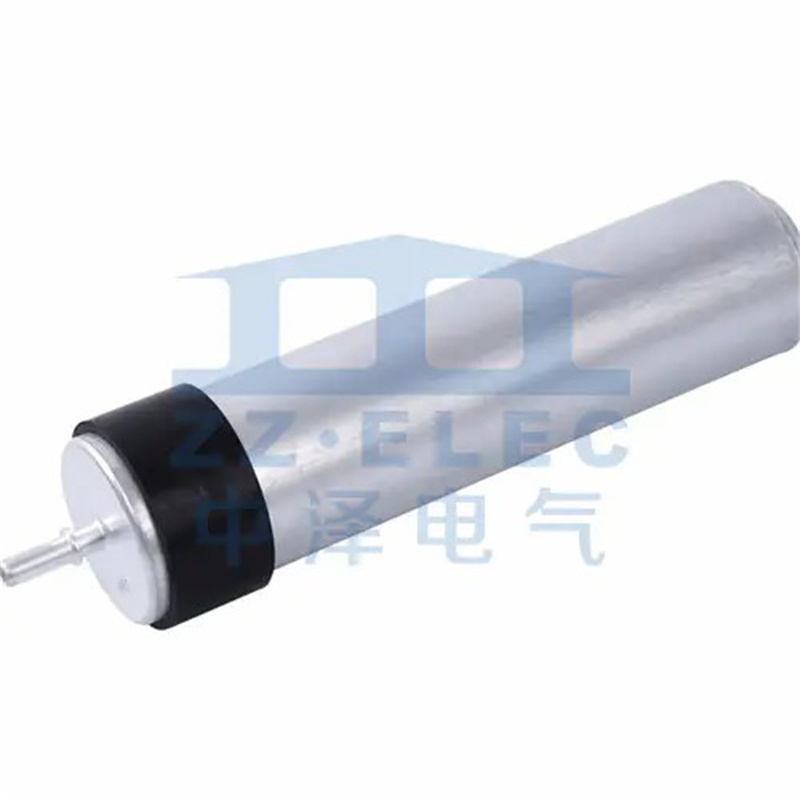
OE number:MANN: WK5015ZRepresentative models: BMW
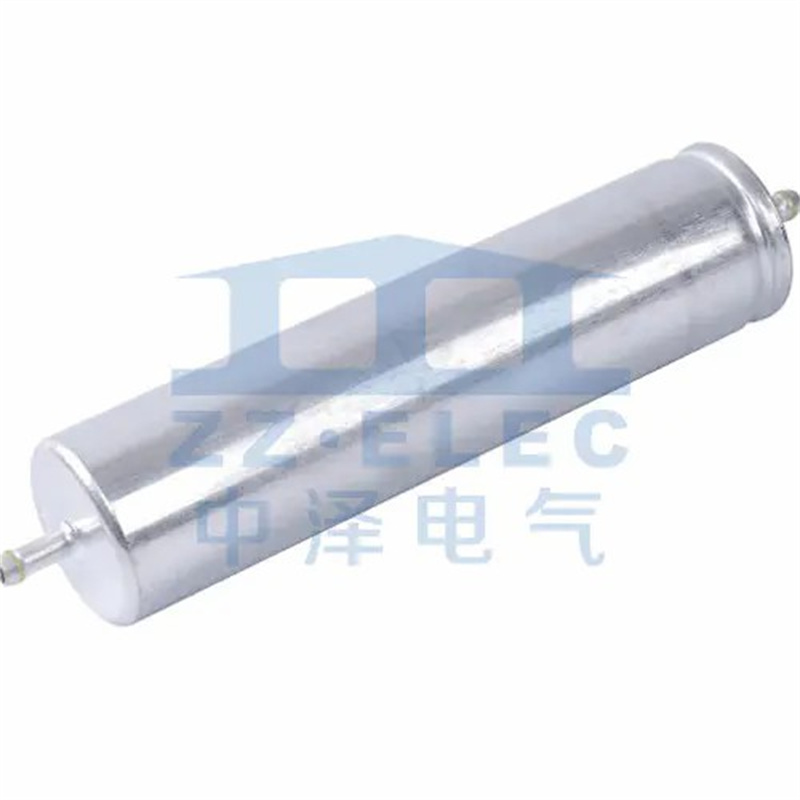
OE number:13 32 1 713 808Representative models: BMW (Import) 8 (E31), BMW (Import) 3 Compact (E36)

Copyright © Zhejiang ZZ Electric Co., Ltd. All Rights Reserved.
Custom Aluminium Cold Extrusions Manufacturers