English
 中文简体
中文简体Fuel Filter Structure
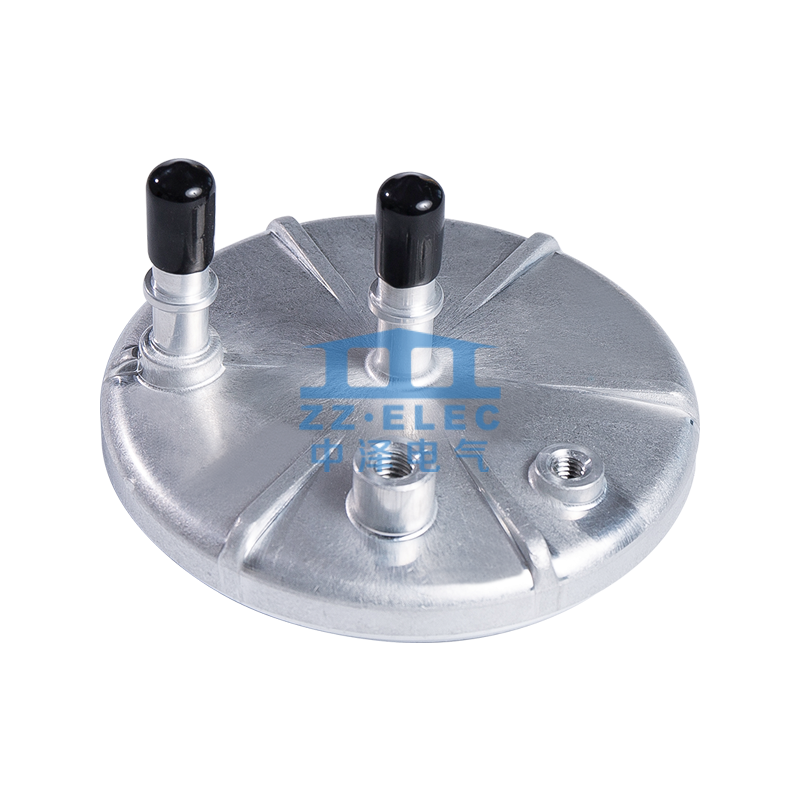
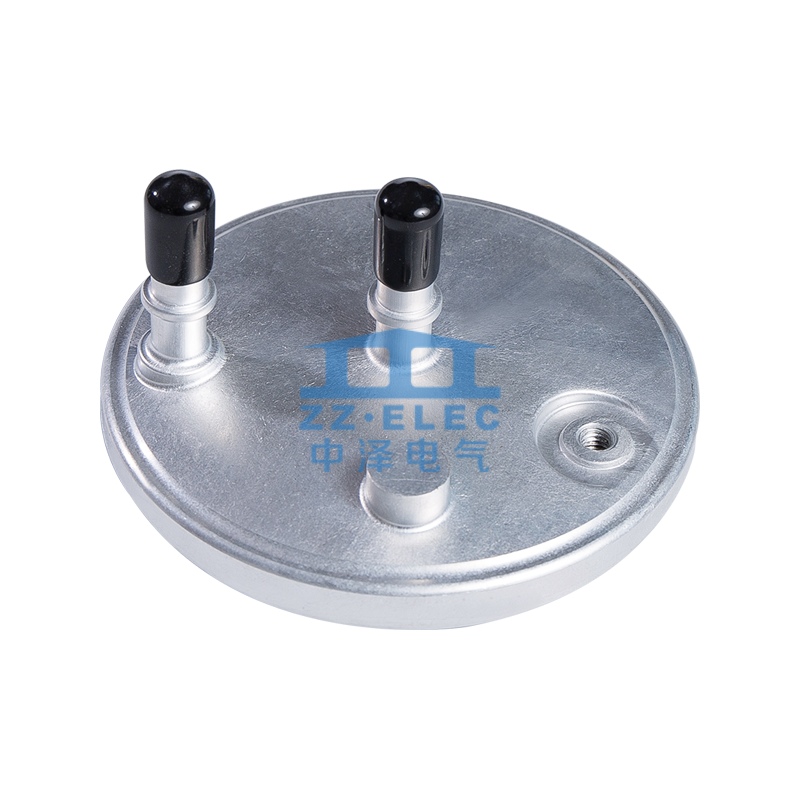
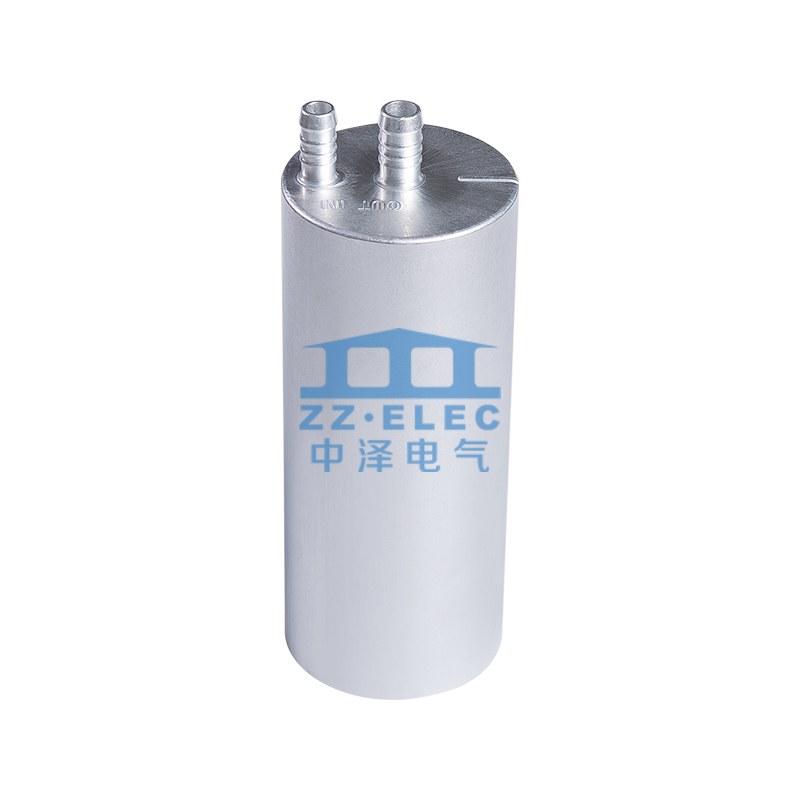
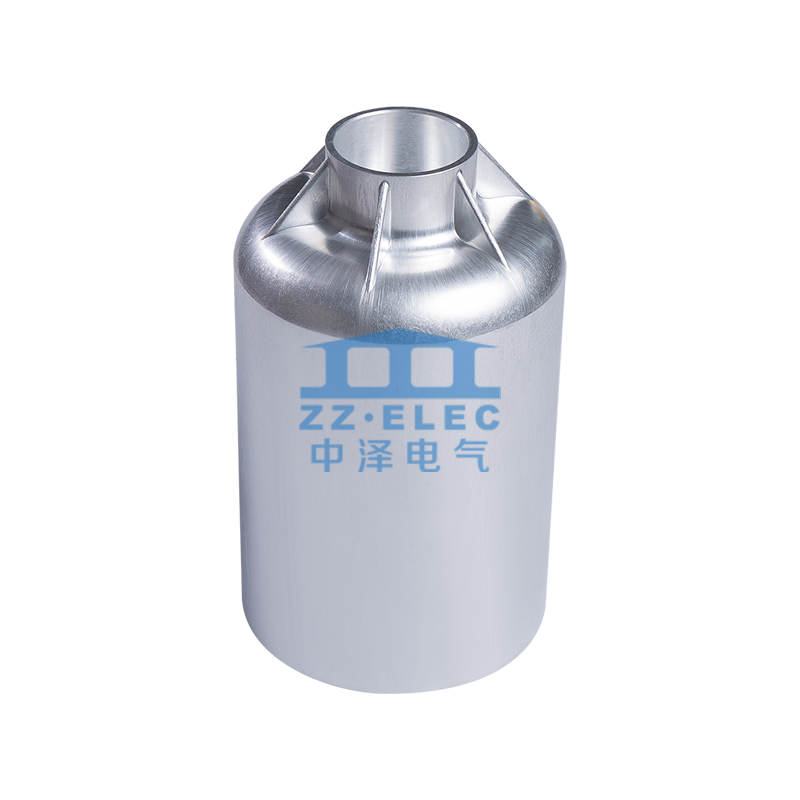
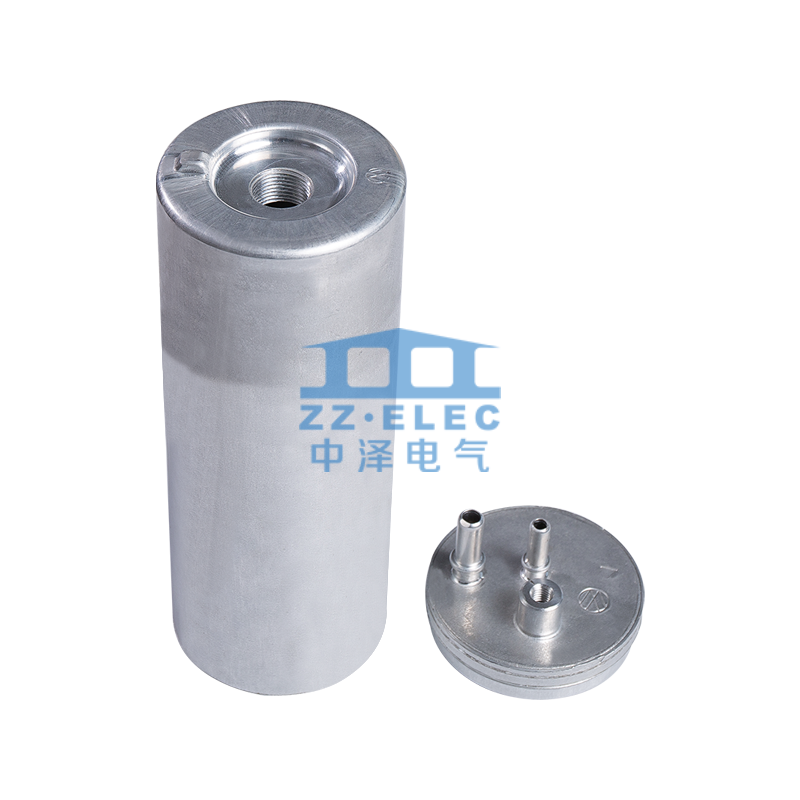
Fuel filter cover&housingType: nearly every existingMaterial: AL1060We specialize in Aluminum cold extrusion. Fuel filter cover and housing could ...

Fuel Filter
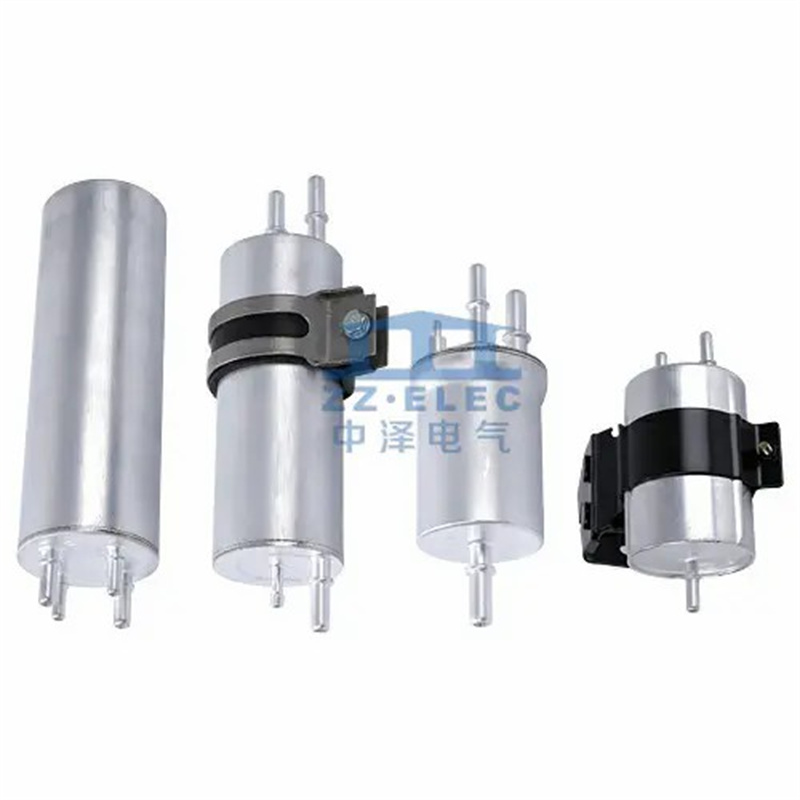
Far more than a simple screen, today's Fuel Filter is a sophisticated guardian of your engine's heart. Its core mission is to protect sensitive and expensive fuel system components—like high-pressure pumps and precision injectors—from damaging contaminants. Modern direct injection systems operate with extreme pressures and tolerances in the micrometer range, making clean fuel absolutely essential. A failing or inadequate filter can lead to reduced engine performance, increased emissions, and costly repairs. This guide will delve into the key technologies, selection criteria, and maintenance practices that define a high-performance fuel filter, empowering you to make an informed decision for your vehicle or equipment.
Evaluating a Fuel Filter requires looking beyond basic compatibility. Three interconnected technical specifications determine its real-world effectiveness and value.
This is the filter's ability to capture particles of a specific size. Efficiency is often expressed as a percentage for a given micron size (e.g., ">96% efficiency at 4 microns"). A lower micron rating indicates the filter can trap finer particles, which is critical for modern common rail diesel systems. However, higher efficiency must be balanced with flow capacity. It's important to consult your engine manufacturer's specifications to select a filter that meets the required protection level without causing excessive flow restriction.
For diesel applications, separating water from fuel is as crucial as removing solid particles. Water can cause corrosion, microbial growth, and catastrophic damage to injection systems. Advanced filters use a multi-stage process: a coalescing medium first combines tiny water droplets into larger ones, which are then stopped by a water-repellent screen. The effectiveness of this system is a key differentiator, with top-performing filters achieving over 95% water separation efficiency.
This refers to the amount of contaminant a filter can hold before it causes a significant pressure drop. A higher dirt-holding capacity translates to longer service intervals and reduced lifecycle costs. This capacity is influenced by the filter media's surface area and material. Synthetic media (like polyester or glass) often offer higher capacity and efficiency compared to traditional cellulose.
The filter media is where the actual cleaning happens. The choice of material directly impacts all core performance metrics.
| Media Type | Primary Composition | Key Advantages | Common Applications |
| Cellulose | Treated wood pulp | Cost-effective, good absorbency for water. | Standard duty applications, cost-sensitive replacements. |
| Synthetic (e.g., Polyester, Glass) | Man-made fibers | Higher efficiency for finer particles, greater dirt-holding capacity, consistent performance. | High-performance engines, modern diesel systems, extended service intervals. |
| Composite Media | Blend of cellulose and synthetics | Balances cost and performance, improves efficiency over pure cellulose. | Mid-range performance upgrades for a wide range of vehicles. |
| Specialty Media (e.g., Synteq DRY) | Engineered synthetic materials | Exceptional water separation, high efficiency, and long life for demanding conditions. | Commercial fleets, off-road equipment, harsh environments. |
Fuel Filters come in various forms to suit different vehicle layouts and performance requirements. Understanding these types helps in identification and selection.
This is the most common type for modern vehicles. It features a self-contained, cylindrical metal or plastic canister that houses the filter element. They are typically spin-on designs for easy replacement and are often located along the vehicle's frame rail or in the engine bay. Their design is robust and well-suited for integrating water separators and sensors.
In this system, a reusable housing is permanently mounted, and only the internal filter cartridge is replaced during service. This design can be more cost-effective and generate less waste over time. It is common in some European vehicles and older models. Replacement requires slightly more care to ensure the housing is properly cleaned and sealed.
These are located inside the fuel tank, often attached to the fuel pump module. Their primary role is to pre-filter fuel before it enters the pump, protecting the pump from large debris. They are usually serviced as part of the fuel pump assembly and have very long service intervals, though they are not accessible for routine maintenance.
Use this step-by-step list to ensure you select the correct, high-quality Fuel Filter for your application.
The single most reliable source is your vehicle's owner's manual, which states the manufacturer's recommended interval. This can range from 30,000 to 100,000 miles for modern cars. However, "severe service" conditions—such as frequent short trips, constant idling, or operation in very dusty or humid environments—can necessitate more frequent changes. If you notice symptoms like hesitation, lack of power, or difficulty starting, a clogged filter could be the cause and warrant an inspection.
While the terms are sometimes used interchangeably, there is a key distinction. A primary Fuel Filter is designed mainly to remove solid particles. A Fuel Water Separator is specifically engineered to remove water from diesel fuel, often using a coalescing process. Many units, especially for diesel applications, are integrated "filter/separator" assemblies that perform both functions simultaneously. For gasoline engines, standalone water separators are uncommon.
A new, correctly specified filter will restore and maintain the engine's designed performance and efficiency, but it cannot enhance it beyond that point. A dirty filter restricts fuel flow, causing the engine to work harder, which can lead to reduced power and lower fuel economy. Replacing a clogged filter removes this restriction, allowing the engine to run as intended. Think of it as preventative maintenance to avoid loss, not a performance upgrade.
High-quality aftermarket filters from reputable brands (e.g., MANN-FILTER, Donaldson) are generally excellent choices and often meet or exceed OEM specifications. Many are actually produced by the same manufacturers that supply the original equipment. The key is to avoid unknown, ultra-low-cost brands that may use inferior media or lack proper sealing. Look for brands that publish their performance specifications and offer compatibility with advanced fuels.
Most modern diesel vehicles with a water separator have a warning light on the dashboard (often labeled "WIF" for Water in Fuel). This is the primary indicator. If your vehicle has a clear collection bowl, you can also perform a visual check for accumulated water at the bottom. Other symptoms that may prompt a check include engine roughness, loss of power, or unexpected difficulty starting, as water in the fuel system can cause similar issues to a clogged filter.
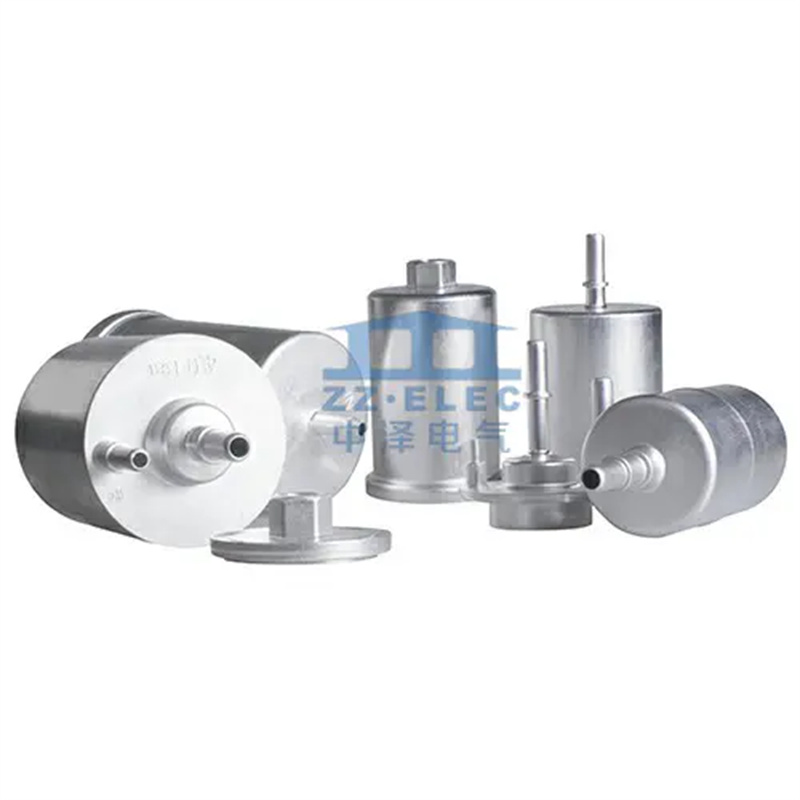
Fuel filter cover&housingType: nearly every existingMaterial: AL1060We specialize in Aluminum cold extrusion. Fuel filter cover and housing could ...
After a quality assurance test, the response speed is faster, the price is lower, and it is easy to install.Material: Made of high-quality aluminum.
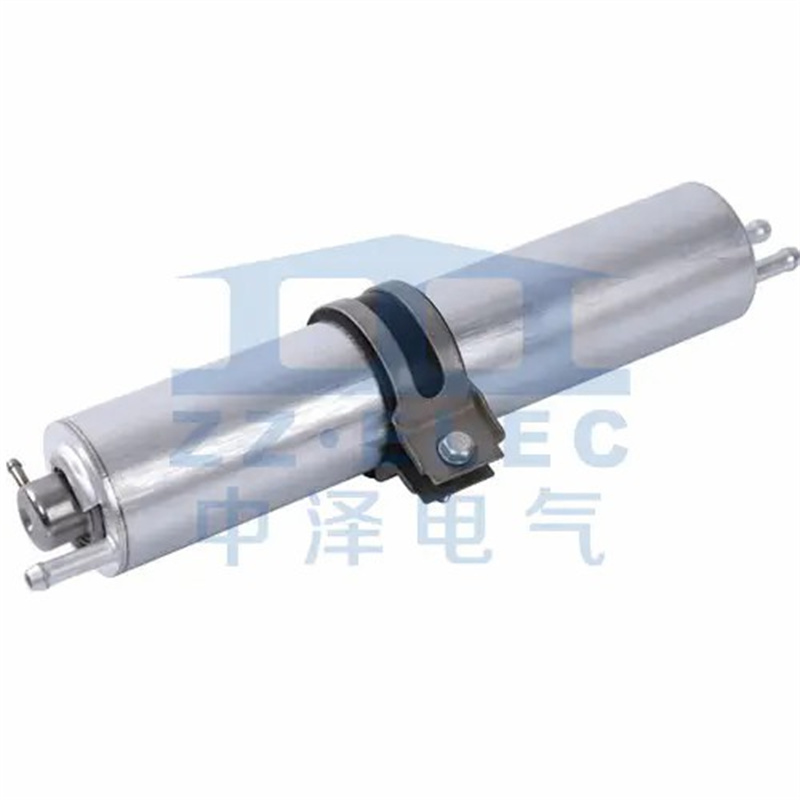
OE number:16126750475Representative models: BMW (Import) 7 (E65, E66, E67)
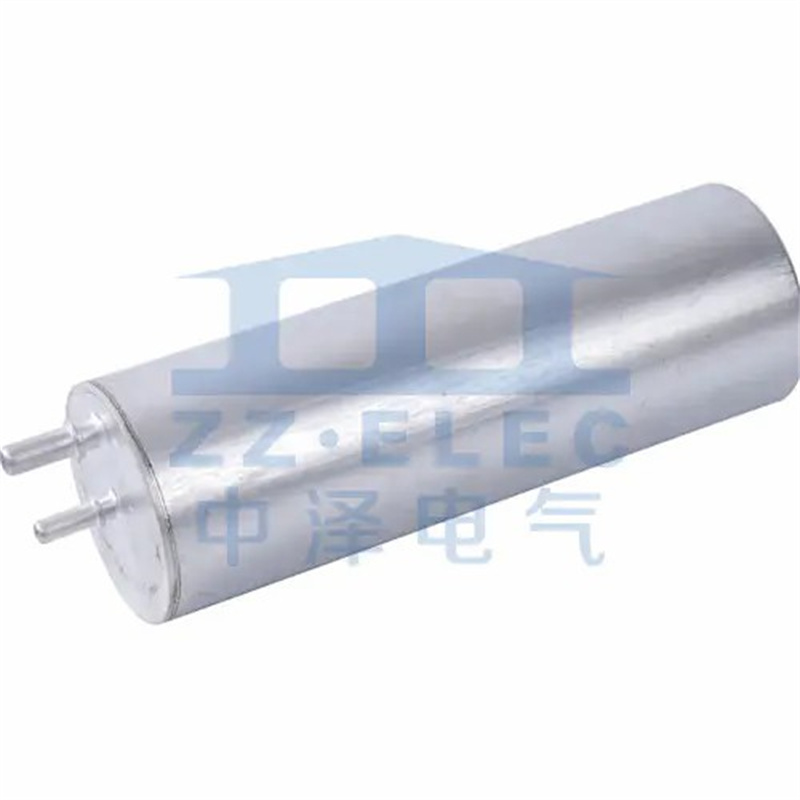
OE number:7H0127401DRepresentative models: VW import
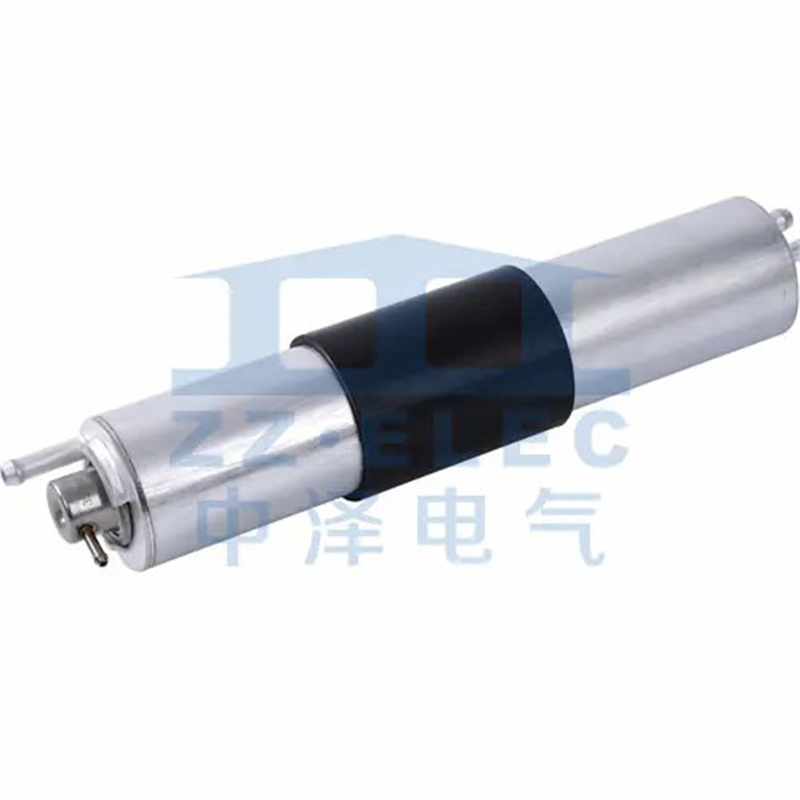
OE number:13327512019Representative models: BMW (import) Z3
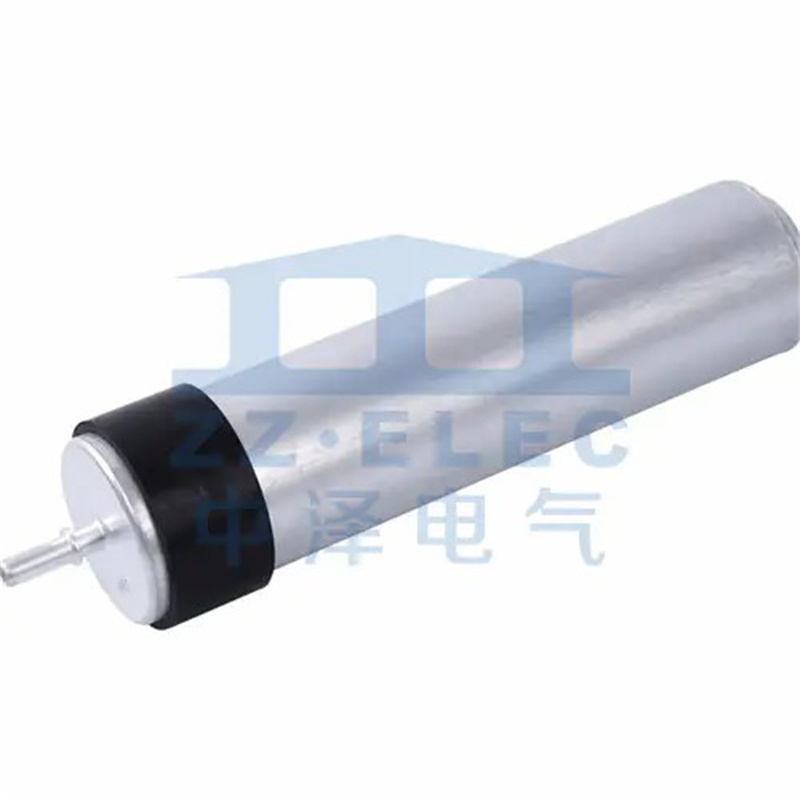
OE number:MANN: WK5015ZRepresentative models: BMW
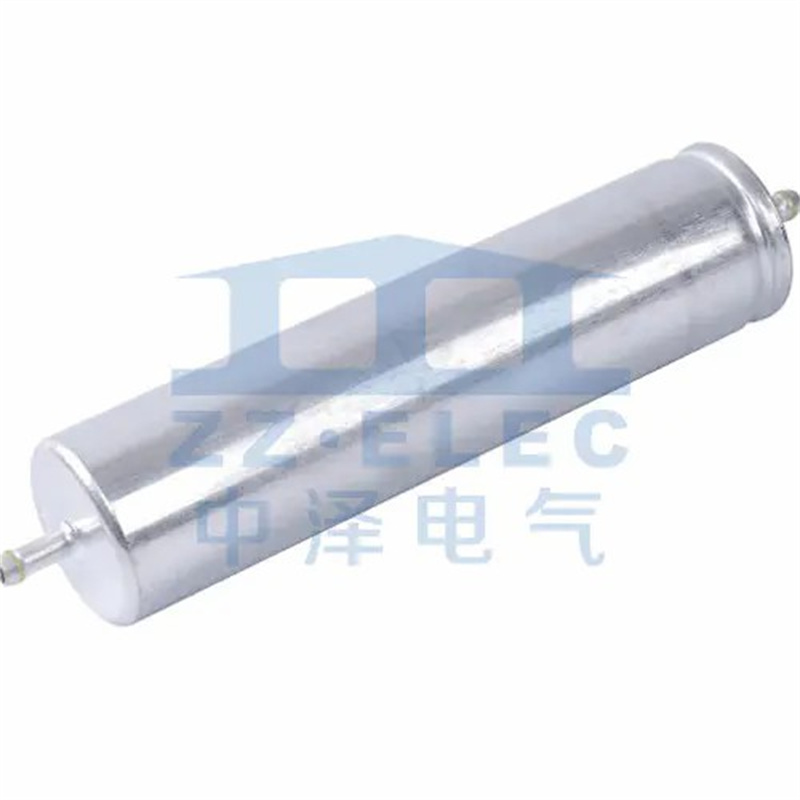
OE number:13 32 1 713 808Representative models: BMW (Import) 8 (E31), BMW (Import) 3 Compact (E36)

Copyright © Zhejiang ZZ Electric Co., Ltd. All Rights Reserved.
Custom Aluminium Cold Extrusions Manufacturers