English
 中文简体
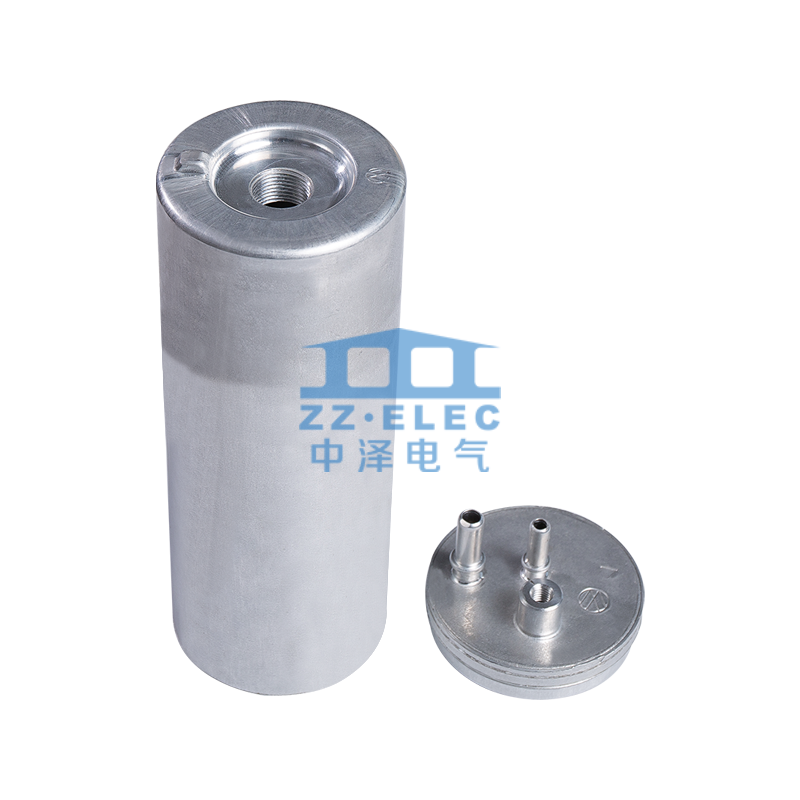
中文简体Fuel Filter Structure
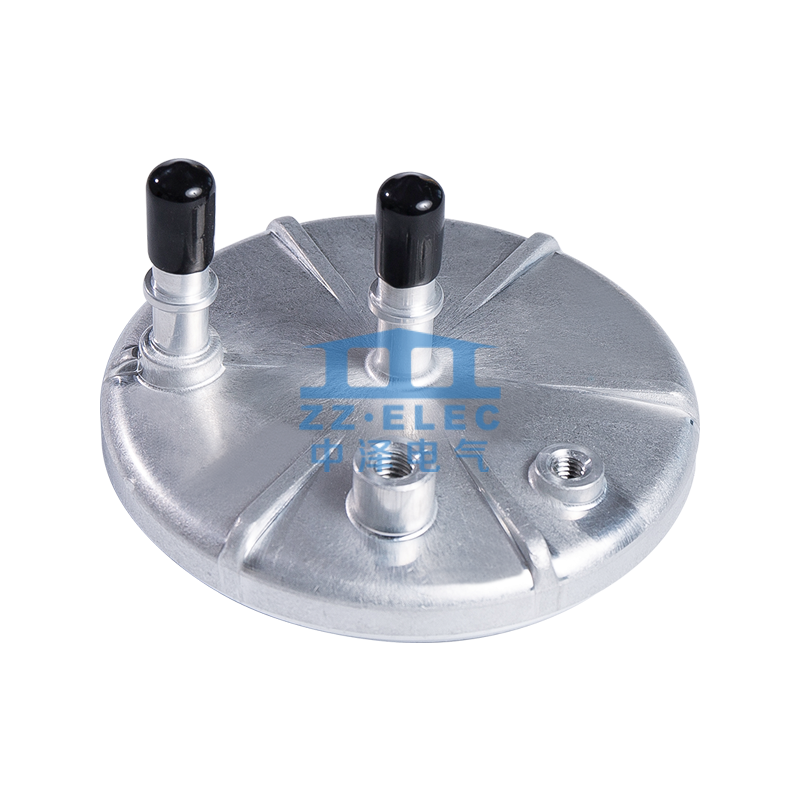
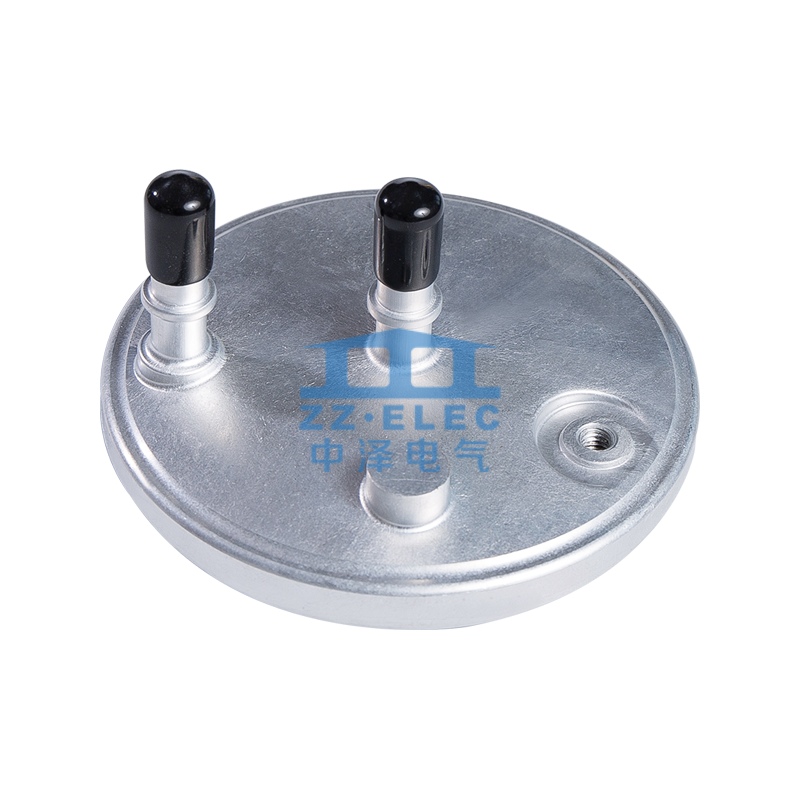
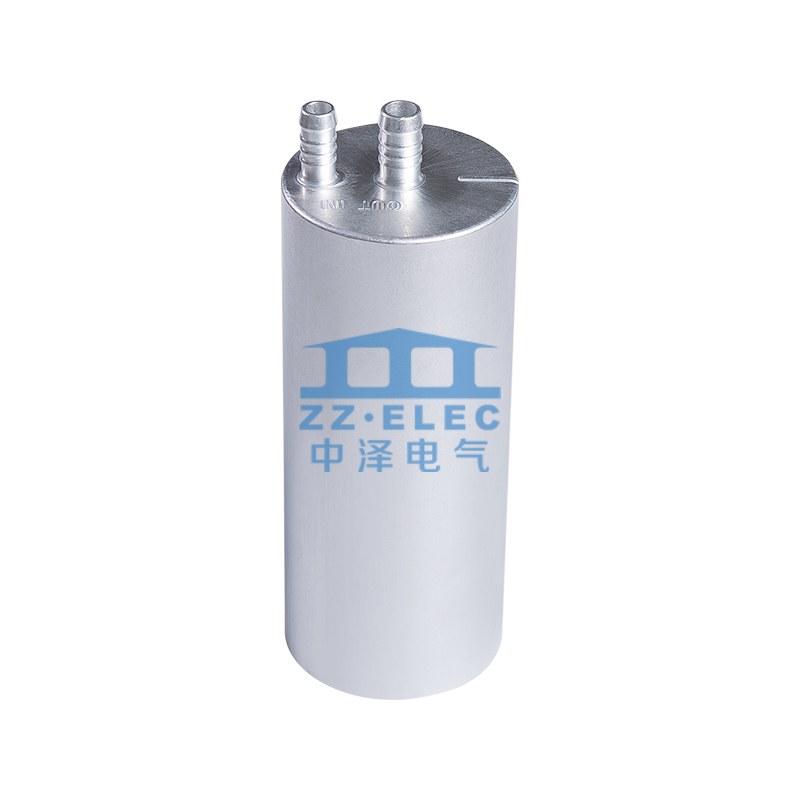
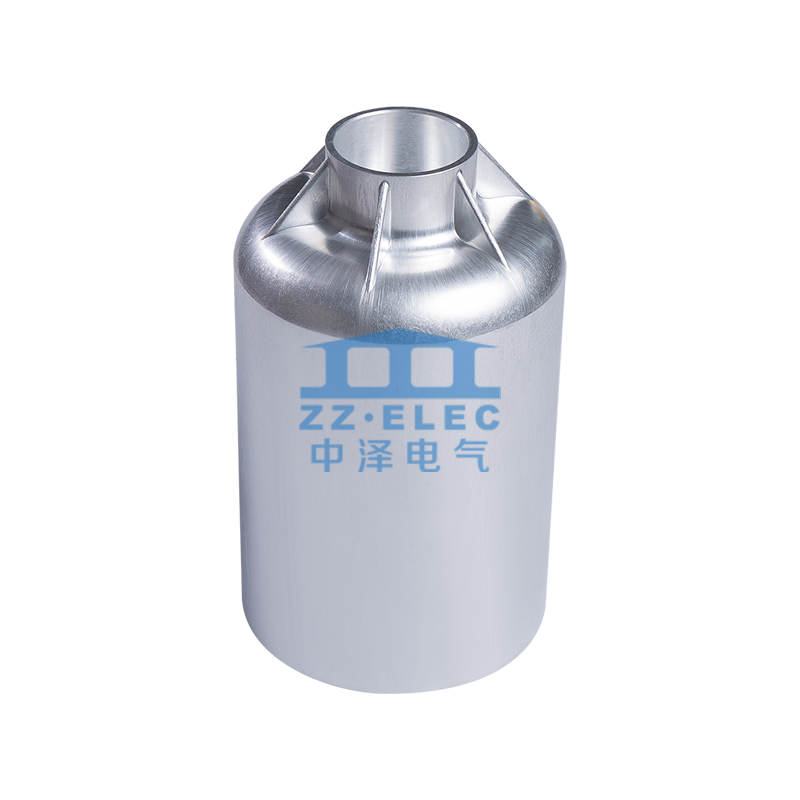
Fuel filter cover&housingType: nearly every existingMaterial: AL1060We specialize in Aluminum cold extrusion. Fuel filter cover and housing could ...


Content
A supercapacitor structure is a marvel of electrochemical engineering, designed to bridge the gap between traditional capacitors and batteries. At its core, the device stores energy through two primary mechanisms: electrostatic double-layer capacitance (EDLC) and pseudocapacitance. The entire assembly is built around maximizing the surface area available for ion adsorption while minimizing the internal resistance. This delicate balance is achieved through a precise arrangement of supercapacitor components, each playing a critical role in performance, longevity, and safety. The basic cell consists of two electrodes, a separator, and an electrolyte, all housed within a robust casing that ensures structural integrity and prevents leakage.
The electrodes are the most critical supercapacitor structure components, directly determining the device's capacitance and power density. They are typically composed of a high-surface-area active material, such as activated carbon, graphene, or carbon nanotubes, coated onto a metallic current collector. The current collector, usually made of aluminum foil, serves as the conductive pathway for electrons to enter and leave the active material. The quality of the adhesion between the active material and the current collector is paramount; poor adhesion leads to increased internal resistance and a significant reduction in the device's lifespan and power capability.
While activated carbon remains the industry workhorse due to its high surface area-to-cost ratio, advanced nanomaterials are gaining traction for high-performance applications. Activated carbon offers a surface area of 1000-3000 m²/g, which is excellent for EDLCs. However, materials like graphene can offer superior electrical conductivity and more accessible pore structures, potentially boosting power density. The choice often boils down to a trade-off between cost, required performance, and the specific application's needs.
| Active Material | Typical Surface Area (m²/g) | Key Advantage | Primary Application |
| Activated Carbon | 1000-3000 | Cost-effectiveness | General purpose, automotive |
| Graphene | Up to 2630 | High conductivity | High-power, pulse power |
| Carbon Nanotubes | 100-500 | Structural strength | Flexible, structural capacitors |
The electrolyte is the medium that transports ions between the two electrodes during charging and discharging. Its properties—ionic conductivity, electrochemical stability window, and operating temperature range—are fundamental to the supercapacitor's voltage rating, low-temperature performance, and overall efficiency. Electrolytes can be broadly categorized into aqueous (water-based), organic (solvent-based), and ionic liquid types. Each offers a distinct balance of voltage, safety, and cost, making the selection a critical decision based on the intended operating environment.
While electrodes and electrolytes handle the energy storage, the separator and casing are the unsung heroes responsible for safety, reliability, and mechanical stability. These supercapacitor components ensure that the high-energy core operates within safe physical and electrical boundaries. A failure in either of these components can lead to catastrophic failure, including short circuits, thermal runaway, and electrolyte leakage. Therefore, their material selection and design are subject to rigorous engineering standards.
The separator is a thin, porous membrane placed between the two electrodes. Its primary function is to electrically isolate the electrodes to prevent a short circuit while being permeable enough to allow the free flow of ions from the electrolyte. The material must be chemically inert within the electrolyte and possess sufficient mechanical strength to withstand the assembly process and operational pressures. Common materials include polypropylene (PP) and cellulose-based papers, each chosen for their specific balance of porosity, ionic resistance, and chemical stability.
The choice between polypropylene and cellulose separators involves a key trade-off between safety and performance. Polypropylene is a thermoplastic that melts at a specific temperature, providing a built-in safety mechanism known as a "shutdown" feature in case of overheating. Cellulose, on the other hand, typically offers lower ionic resistance and better wettability with aqueous electrolytes, which can lead to lower ESR and better power performance. The choice depends on the prioritization of intrinsic safety versus peak power output.
| Separator Type | Key Feature | Pros | Cons |
| Polypropylene (PP) | Thermal shutdown | Enhanced safety, good chemical resistance | Higher ionic resistance |
| Cellulose | High wettability | Low ESR, good for aqueous systems | Lower thermal stability |
The external casing, along with its terminal cover, provides the mechanical protection and hermetic seal required for the supercapacitor's long-term reliability. The casing material must be robust, electrically conductive (to act as a terminal), and resistant to corrosion from the electrolyte. Aluminum is a common choice due to its favorable properties. The nonporous cover plate is a critical component for maintaining an airtight seal. This prevents moisture and oxygen from entering the cell, which would degrade the electrolyte and active materials, leading to a rapid loss of performance and potential swelling or failure.
Beyond the core electrochemical cell, a functional supercapacitor requires a range of hardware components to facilitate integration into an electronic circuit. These include the electrical terminals, which provide the connection points for charging and discharging, and various safety features. The design and quality of these supercapacitor structure components are crucial for ensuring low connection resistance, reliable operation under thermal cycling, and compliance with safety standards.
The terminals are the electrical bridge between the supercapacitor's internal current collectors and the external circuit. Their design is critical for minimizing the Equivalent Series Resistance (ESR), a key parameter that determines the device's power output capability. Terminals can take various forms, including screw tabs, wire leads, or surface-mount pads, depending on the application. The material is typically aluminum or a copper alloy, often plated with nickel or tin to enhance corrosion resistance and solderability. A poor connection at the terminal can negate the benefits of a low-resistance internal design.
The choice of terminal type is dictated by the manufacturing process and end-use environment. For instance, large, prismatic cells used in automotive or energy storage systems typically use robust screw terminals for secure, high-current connections. In contrast, smaller, cylindrical or pouch cells designed for consumer electronics may use radial leads or flat tabs for automated printed circuit board (PCB) assembly.
| Terminal Type | Best Suited For | Current Handling | Assembly Method |
| Screw Terminal | Automotive, Industrial | High | Manual wiring |
| Wire Lead | General electronics | Medium | Through-hole soldering |
| Flat Tab | PCB integration | High | Soldering or welding |
Modern supercapacitors, especially those for high-reliability applications, often integrate additional safety and monitoring features directly into their structure. These can include pressure vents to release gas in case of overpressure, temperature sensors (PTC or NTC thermistors) for thermal management, and fuses for overcurrent protection. These components are essential for preventing catastrophic failure and ensuring the device operates within its specified safe operating area (SOA) throughout its lifecycle.
The fundamental difference lies in the energy storage mechanism and the resulting supercapacitor structure. A battery stores energy in chemical bonds through a faradaic reaction involving bulk electrode materials, requiring thicker, more robust electrodes. A supercapacitor primarily stores energy electrostatically on the surface of its electrodes. This allows for much thinner electrodes and a more layered, sandwich-like structure focused on maximizing surface area rather than volume. Consequently, supercapacitors have a simpler structure with no complex phase changes in the electrodes, enabling faster charge/discharge rates and longer cycle life.
The electrolyte choice has a profound impact on the supercapacitor structure and design. Aqueous electrolytes (e.g., potassium hydroxide) have high ionic conductivity but a low voltage window (~1V), requiring cells to be stacked in series to achieve useful voltages. Organic electrolytes (e.g., TEABF4 in acetonitrile) offer a higher voltage window (~2.7V), allowing for simpler single-cell constructions but require more robust, hermetically sealed casings due to the solvent's flammability and volatility. Ionic liquids offer high voltage and non-flammability but can be more viscous, potentially influencing separator and pore design to optimize ion flow.
The nonporous cover plate is critical for achieving a hermetic seal, which is paramount for the longevity and reliability of a supercapacitor. Porous or poorly sealed covers allow ambient moisture and oxygen to slowly diffuse into the cell over time. In organic electrolyte systems, moisture reacts to form acidic byproducts that corrode the internal components and degrade the electrolyte, leading to increased ESR and capacitance loss. In aqueous systems, oxygen ingress can accelerate corrosion of the current collectors. A nonporous cover ensures an airtight and watertight seal, preserving the internal chemistry and enabling the supercapacitor to meet its rated lifespan specifications.
Yes, the supercapacitor components are largely recyclable, though the process is more complex than for simple batteries. The aluminum casing and current collectors are readily recyclable through standard metal recycling streams. The active carbon material can be recovered and potentially reactivated for use in lower-grade applications. The electrolyte, especially organic types, requires specialized chemical reclamation processes. While recycling infrastructure is still developing, the high value of the aluminum and the push for a circular economy in electronics are driving advancements in supercapacitor recycling technologies.
Internal pressure is a critical design consideration. During operation, especially at high currents or elevated temperatures, the electrolyte can generate gas, increasing the internal pressure. The supercapacitor structure, particularly the casing and cover, must be designed to withstand this pressure without deforming or leaking. Many designs incorporate a pressure vent as a safety feature to release pressure if it exceeds a critical threshold, preventing an explosive rupture. The design of this vent is a delicate balance, as it must remain sealed under normal operating pressures but open reliably during a fault condition.
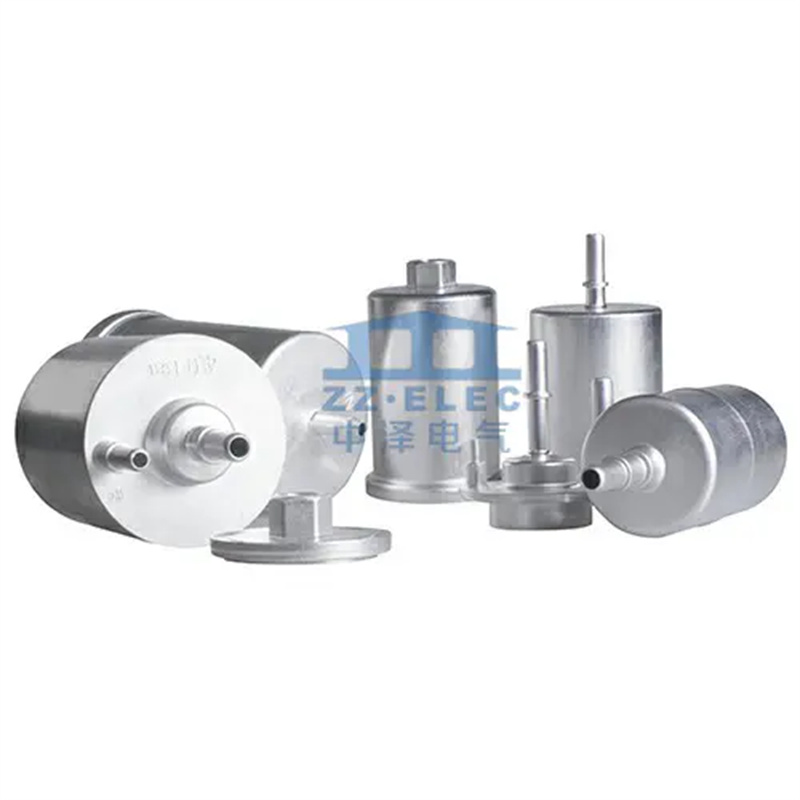
Fuel filter cover&housingType: nearly every existingMaterial: AL1060We specialize in Aluminum cold extrusion. Fuel filter cover and housing could ...
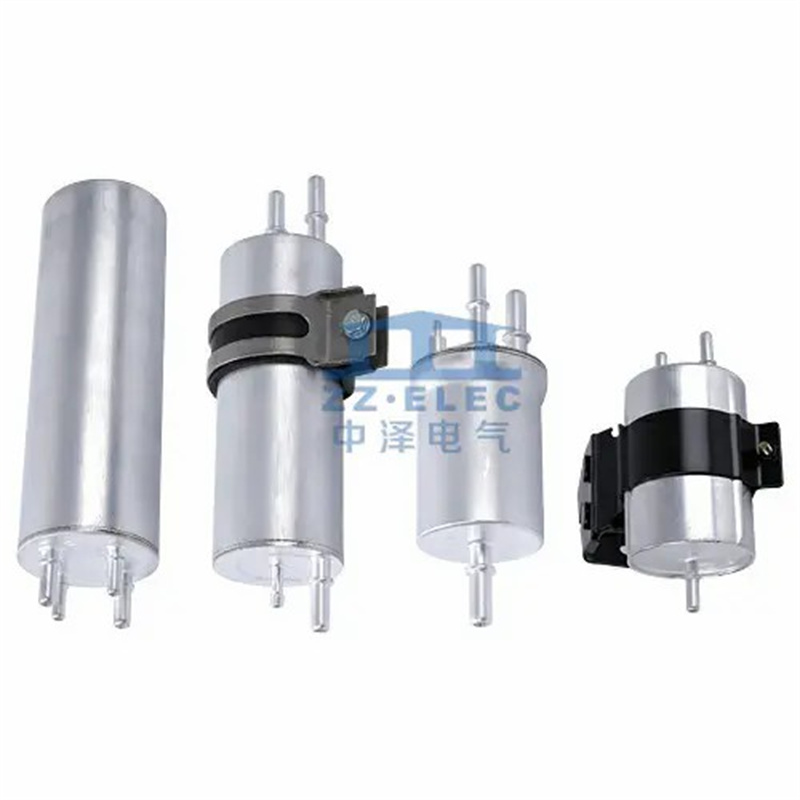
After a quality assurance test, the response speed is faster, the price is lower, and it is easy to install.Material: Made of high-quality aluminum.
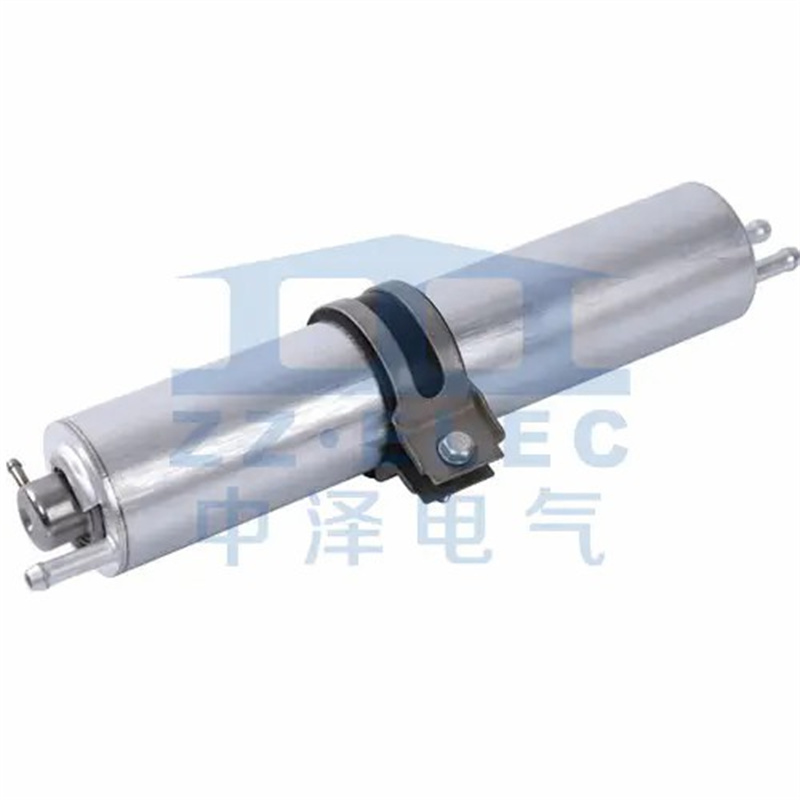
OE number:16126750475Representative models: BMW (Import) 7 (E65, E66, E67)
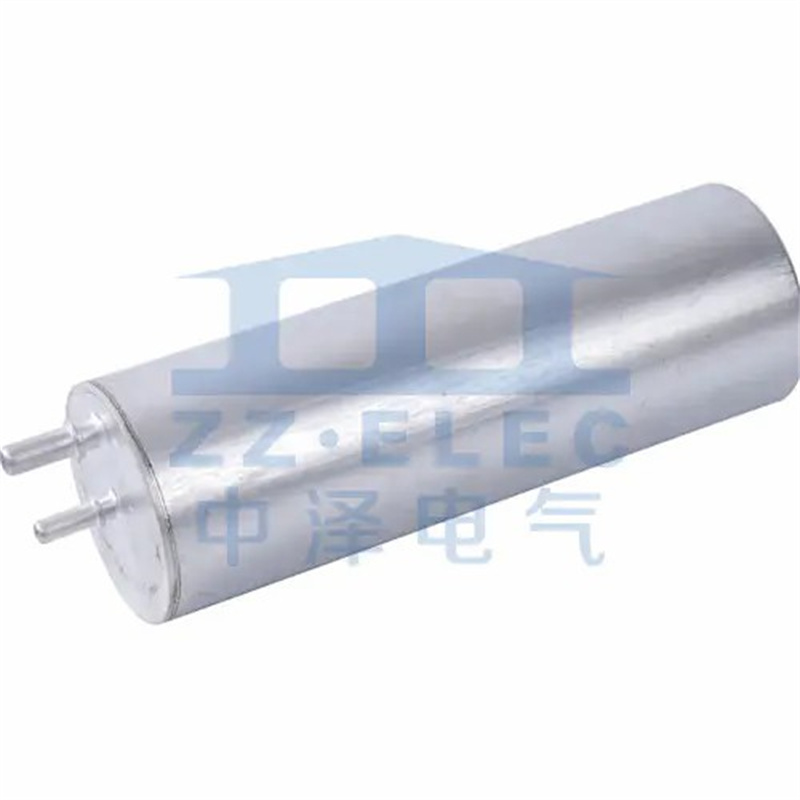
OE number:7H0127401DRepresentative models: VW import
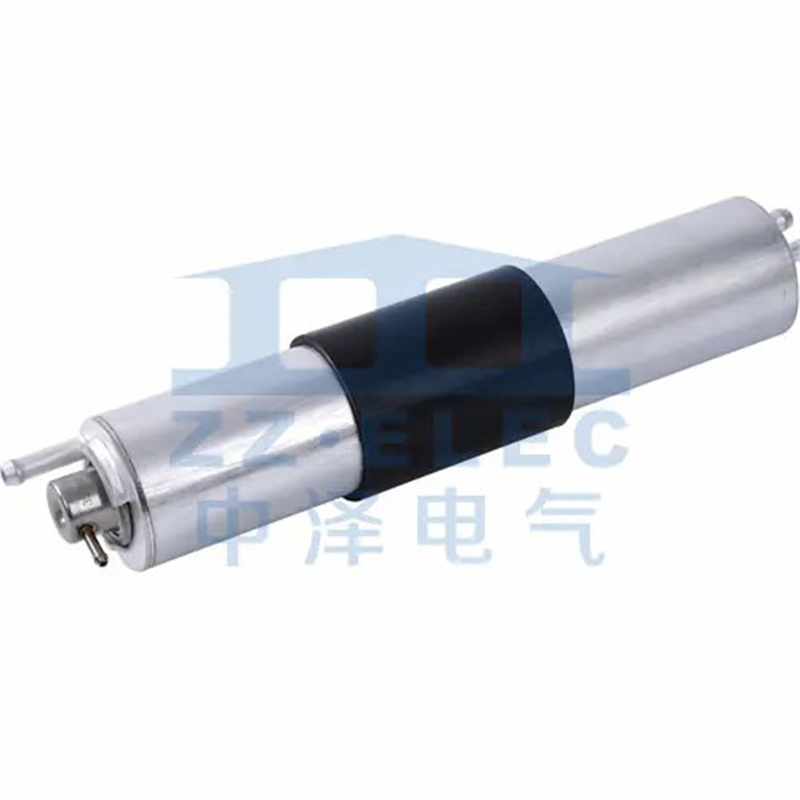
OE number:13327512019Representative models: BMW (import) Z3
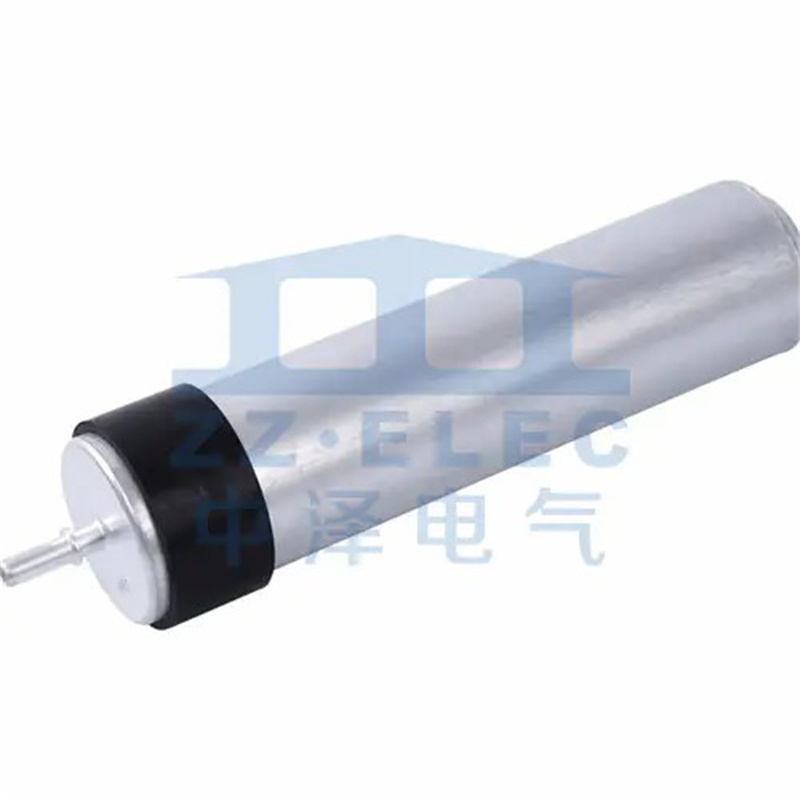
OE number:MANN: WK5015ZRepresentative models: BMW
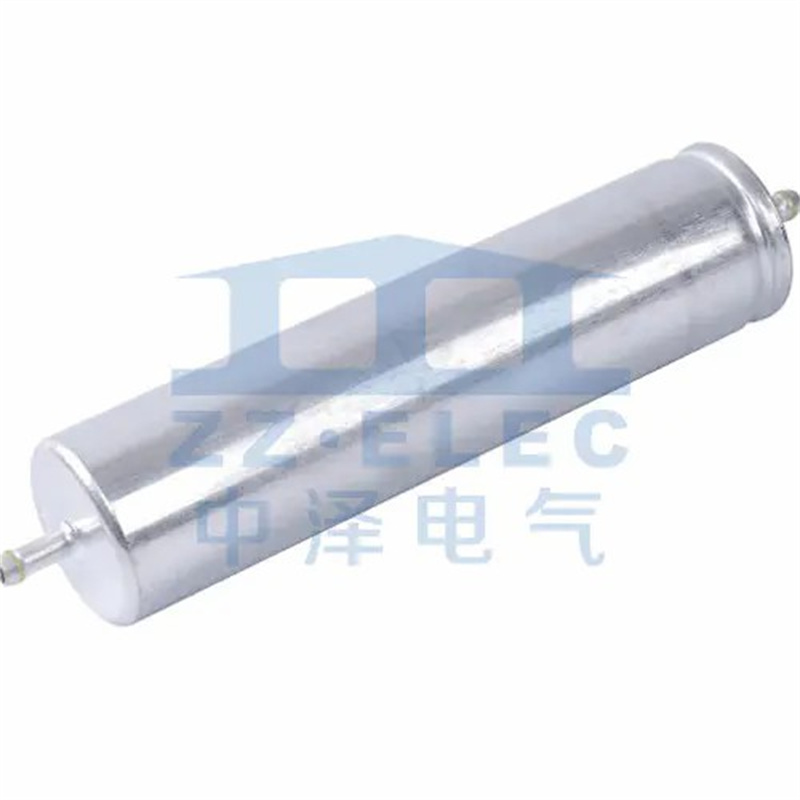
OE number:13 32 1 713 808Representative models: BMW (Import) 8 (E31), BMW (Import) 3 Compact (E36)

Copyright © Zhejiang ZZ Electric Co., Ltd. All Rights Reserved.
Custom Aluminium Cold Extrusions Manufacturers