English
 中文简体
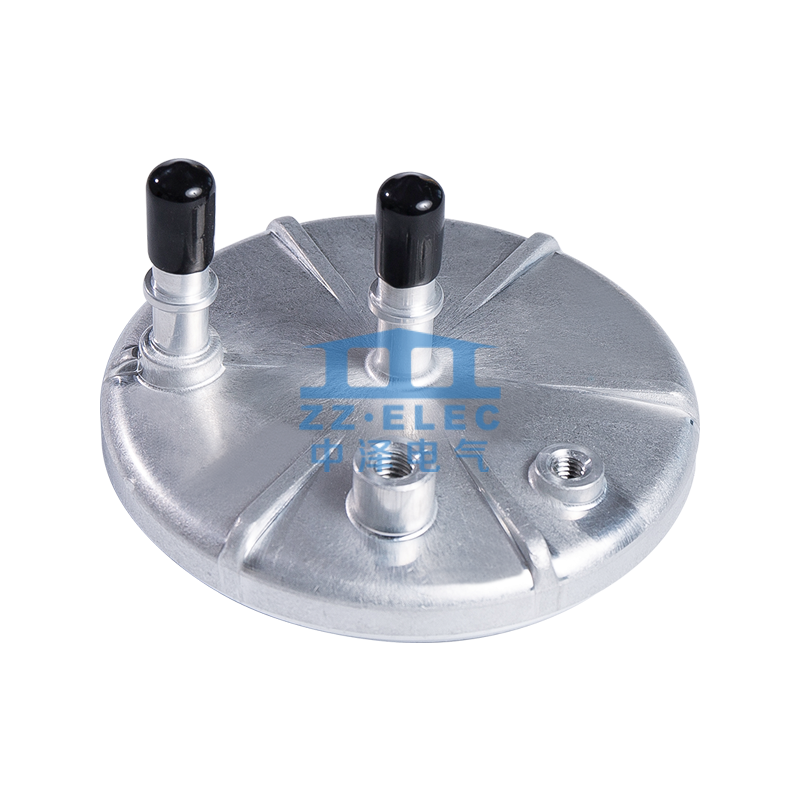
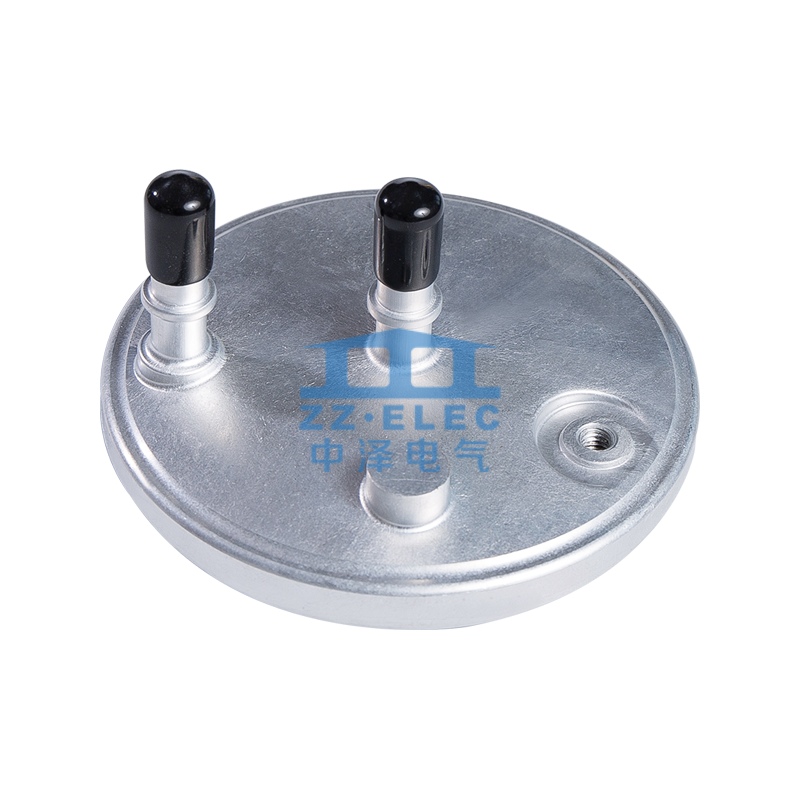
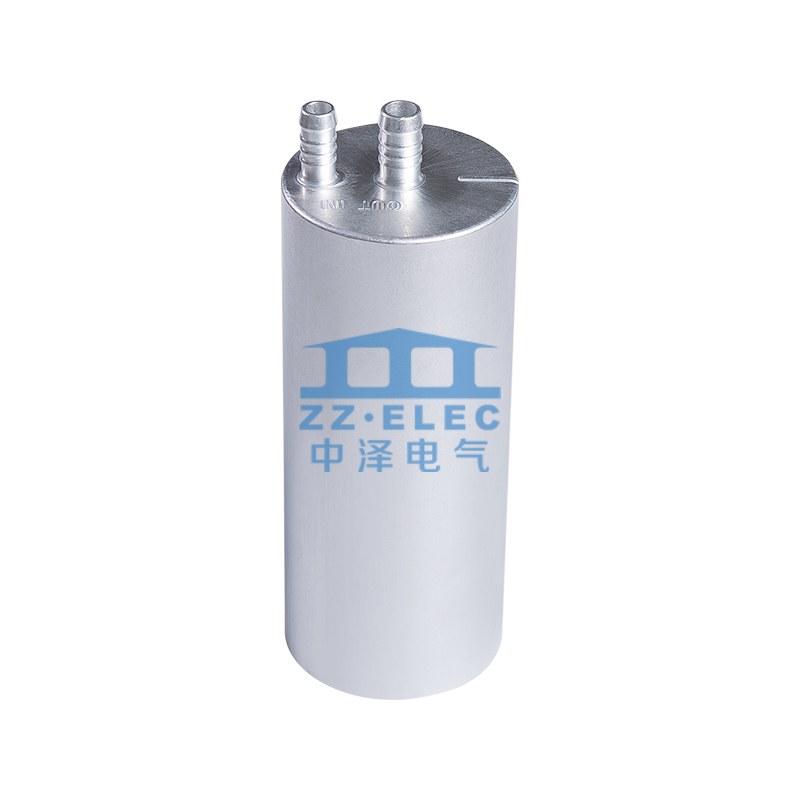
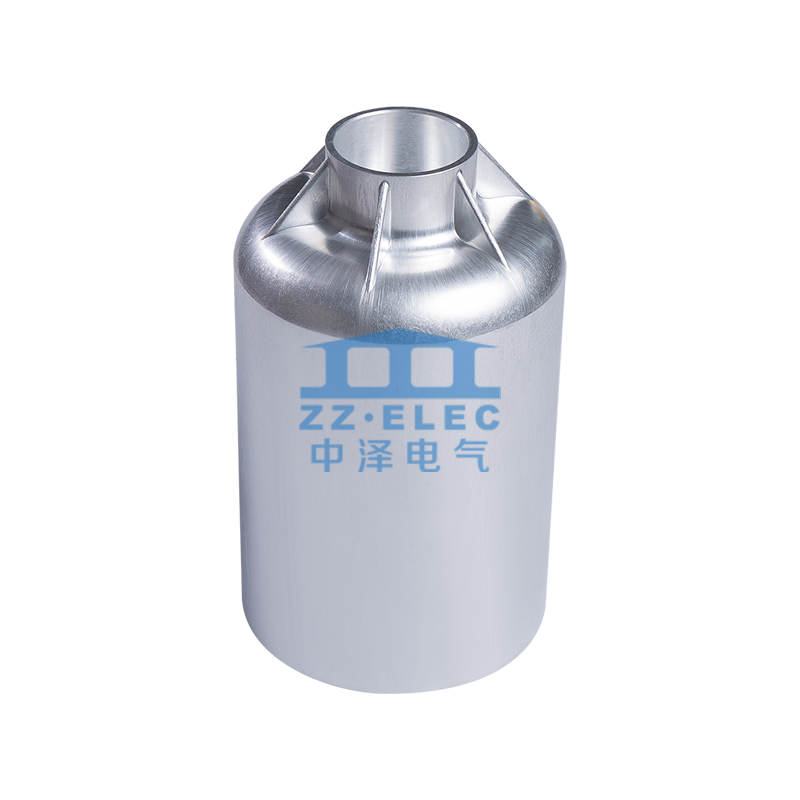
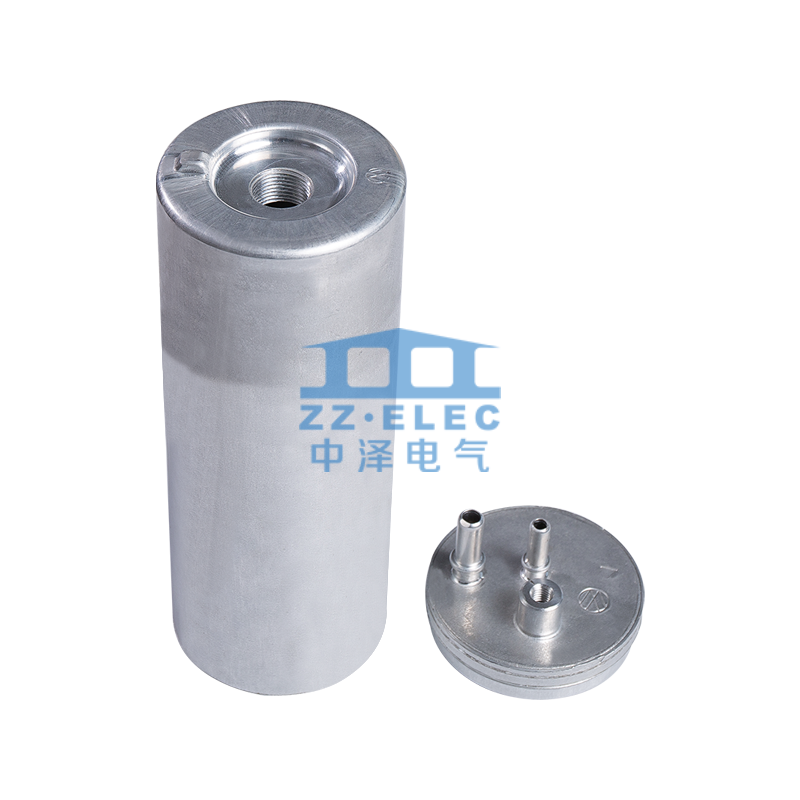
中文简体Fuel Filter Structure
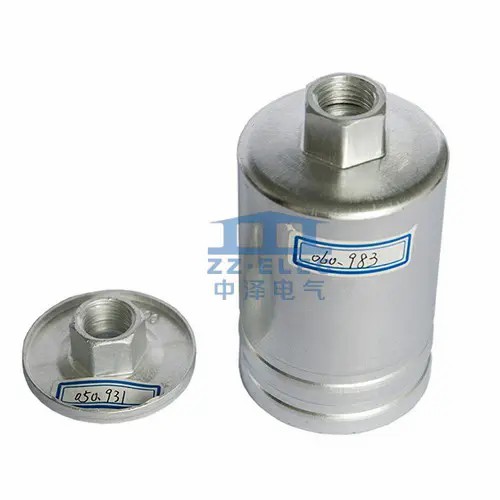
Fuel filter cover&housingType: nearly every existingMaterial: AL1060We specialize in Aluminum cold extrusion. Fuel filter cover and housing could ...


Content
In modern electrochemical energy storage systems, the structure and material quality of the Positive & Negative Collector are decisive factors in determining overall battery efficiency and safety. These components serve as the bridge between the electrochemical reaction site and the external circuit, necessitating high electrical conductivity and structural stability.
A positive and negative electrode collector is a metallic foil or substrate that supports the active electrode materials while facilitating electron transport. In a lithium-ion battery, the collector must maintain intimate contact with the active material layer during the charge and discharge cycles, despite the volumetric expansion and contraction of the electrode materials. Any increase in contact resistance between the collector and the active layer can lead to polarization, heat generation, and capacity fading. Therefore, the surface morphology and mechanical properties of the collector are critical engineering parameters.
Selecting appropriate lithium ion battery collector materials requires a rigorous evaluation of electrochemical stability. The material must be chemically inert within the specific voltage window of the electrode. For instance, the positive side operates at a high potential where oxidation is a primary concern, necessitating materials with high anti-oxidation properties. Additionally, the material must possess high tensile strength to withstand the high-speed coating processes used in modern battery manufacturing. The purity of the metal is also paramount; trace impurities can catalyze side reactions, leading to gas generation and reduced cycle life.
The industry standard dictates distinct material choices for the anode and cathode. This selection is not merely based on cost but on fundamental electrochemical principles regarding the potential window of stability.
A copper foil current collector is the standard choice for the negative electrode (anode) in lithium-ion batteries. Copper is selected because it is thermodynamically stable at low potentials (around 0 V vs. Li/Li+), meaning it does not undergo alloying reactions with lithium at the anode potential. The manufacturing process typically involves electrodeposition to achieve ultra-thin foils with controlled surface roughness, which enhances the adhesion of graphite or silicon-based anode materials. Technical specifications often require high ductility to prevent cracking during cell winding or stacking.
Conversely, an aluminum foil current collector is exclusively used for the positive electrode (cathode). Aluminum is lightweight and cost-effective, but its primary advantage is the formation of a passive oxide layer (Al2O3) at high potentials. This layer prevents further oxidation and corrosion, which would rapidly degrade copper if used on the cathode side. The comparison between the two materials highlights their distinct roles in the battery architecture.
| Property | Copper Foil (Anode) | Aluminum Foil (Cathode) |
| Operating Potential | Low Potential (Anode side) | High Potential (Cathode side) |
| Electrochemical Stability | Stable against Lithium reduction | Stable due to passive oxide layer formation |
| Density (g/cm³) | 8.96 (Heavier) | 2.70 (Lighter, beneficial for energy density) |
| Primary Application | Graphite/Silicon Anodes | NMC, LFP, NCA Cathodes |
| Risk Factors | Corrosion at high potentials | Alloying with Lithium at low potentials |
For procurement officers, the consistency of the collector material is as important as the material itself. Variations in thickness or surface treatment can lead to uneven current distribution, causing localized hot spots and thermal runaway risks. Therefore, sourcing from capable battery current collector suppliers with advanced manufacturing capabilities is non-negotiable.
When evaluating potential suppliers, technical due diligence should focus on precision manufacturing capabilities. Suppliers must demonstrate the ability to control foil thickness tolerances within microns and maintain consistent surface roughness parameters (Ra values). Furthermore, the supplier's ability to provide customized surface treatments—such as carbon coating or acid etching to improve adhesion—is a hallmark of advanced manufacturing. Quality management systems must include rigorous testing for tensile strength, elongation, and surface cleanliness.
Zhejiang ZZ Electric Co., Ltd. is in the field of cold extrusion technology for aluminum products in China. It is an early domestic manufacturing enterprise engaged in the production of cold extrusion technology. Our expertise extends deeply into the production of precision components essential for the energy storage sector. The company has a professional technical team, dozens of patents, and decades of development experience.
We specialize in high-precision manufacturing required for components like capacitor shells and battery structural parts. The company currently has a modern standard factory building of 17,000+㎡, a mold design and processing workshop of 1,000+㎡, and more than ten pieces of special cold extrusion equipment, including three 500-ton HERLAN horizontal cold extrusion equipment imported from Germany, and several semi-automatic machining lines. This advanced equipment ensures the geometric accuracy and material density required for high-performance battery components.
Located in the Economic Development Zone of Jiaxing City, Zhejiang Province, our facility benefits from the logistical advantages of the Yangtze River Delta. The areas involved include automobile fuel filters, fuel pumps, automobile seat shock absorption, capacitors, supercapacitors, lithium batteries aluminum packaging products, and other industries. We have won unanimous praise from customers at home and abroad with its advanced technology, design, and superb product quality. Additionally, other branches of ZZ Group can produce capacitor plastic covers, capacitor mandrels, positioning sleeves, prismatic lithium battery structural parts, lightweight vehicle body parts, etc. to meet the multi-faceted needs of customers.
The efficiency and safety of modern batteries rely heavily on the rigorous selection and manufacturing of the Positive & Negative Collector. Understanding the distinct roles of copper and aluminum foils, coupled with sourcing from technically advanced manufacturers like Zhejiang ZZ Electric, ensures optimal battery performance and supply chain reliability.
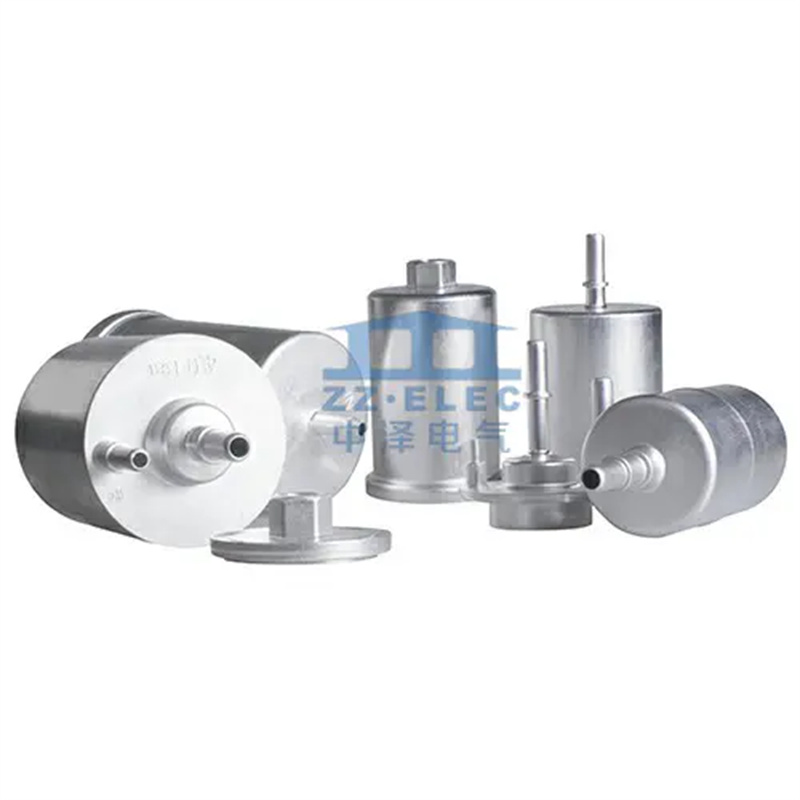
Fuel filter cover&housingType: nearly every existingMaterial: AL1060We specialize in Aluminum cold extrusion. Fuel filter cover and housing could ...
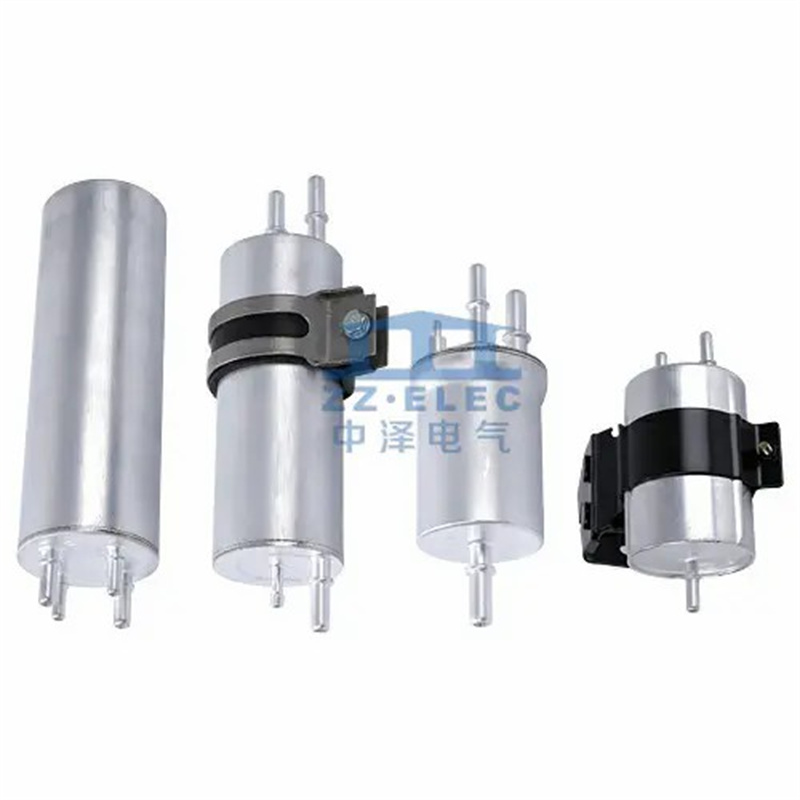
After a quality assurance test, the response speed is faster, the price is lower, and it is easy to install.Material: Made of high-quality aluminum.
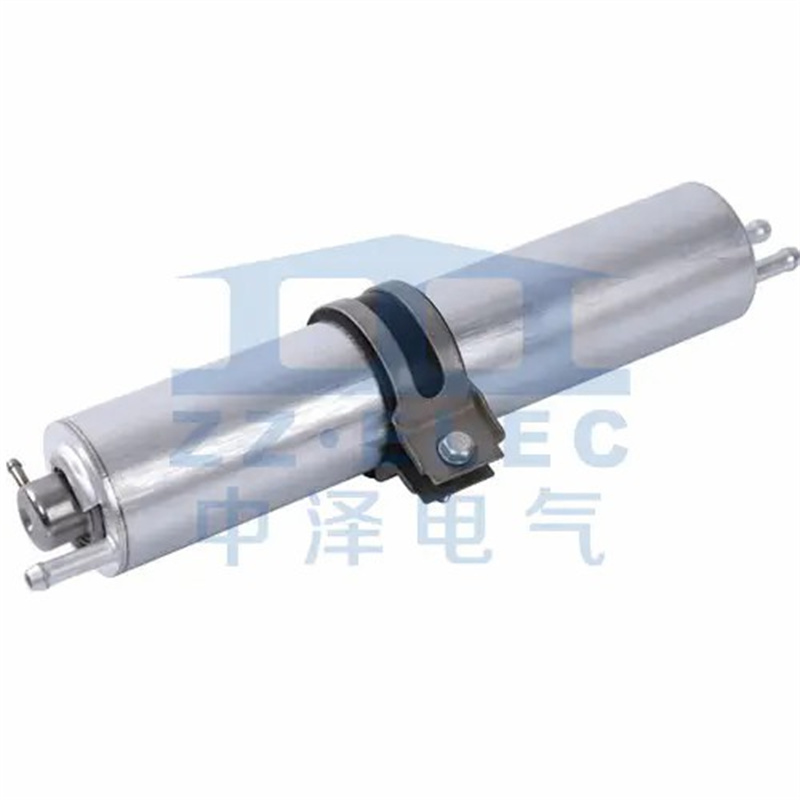
OE number:16126750475Representative models: BMW (Import) 7 (E65, E66, E67)
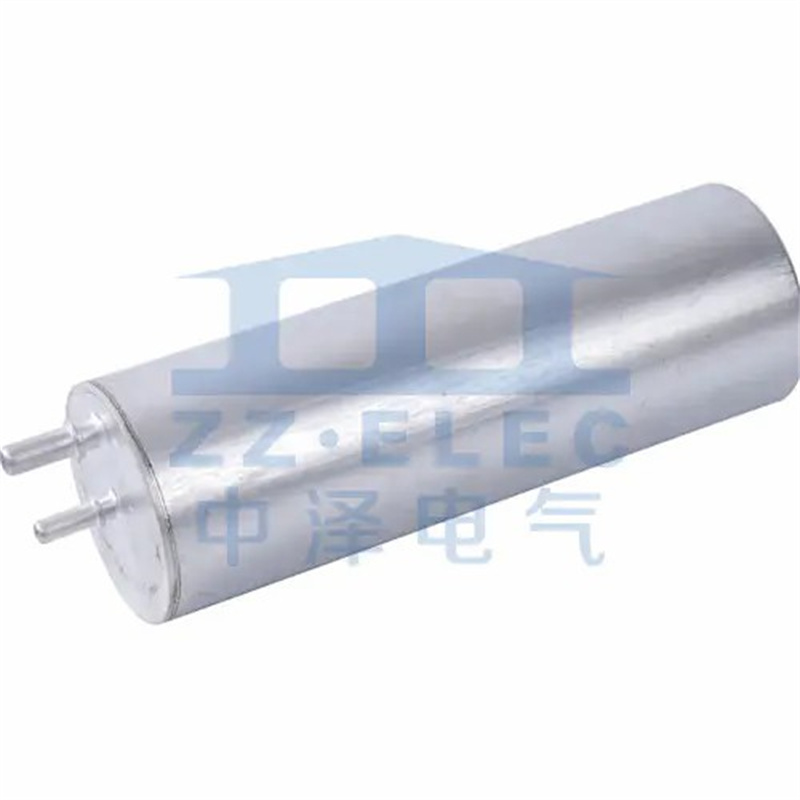
OE number:7H0127401DRepresentative models: VW import
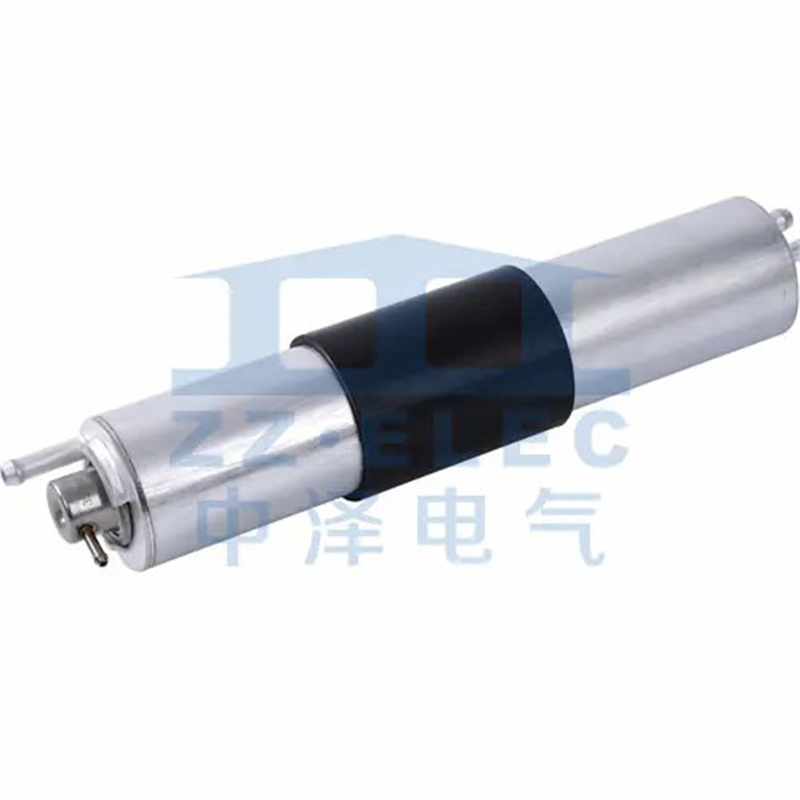
OE number:13327512019Representative models: BMW (import) Z3
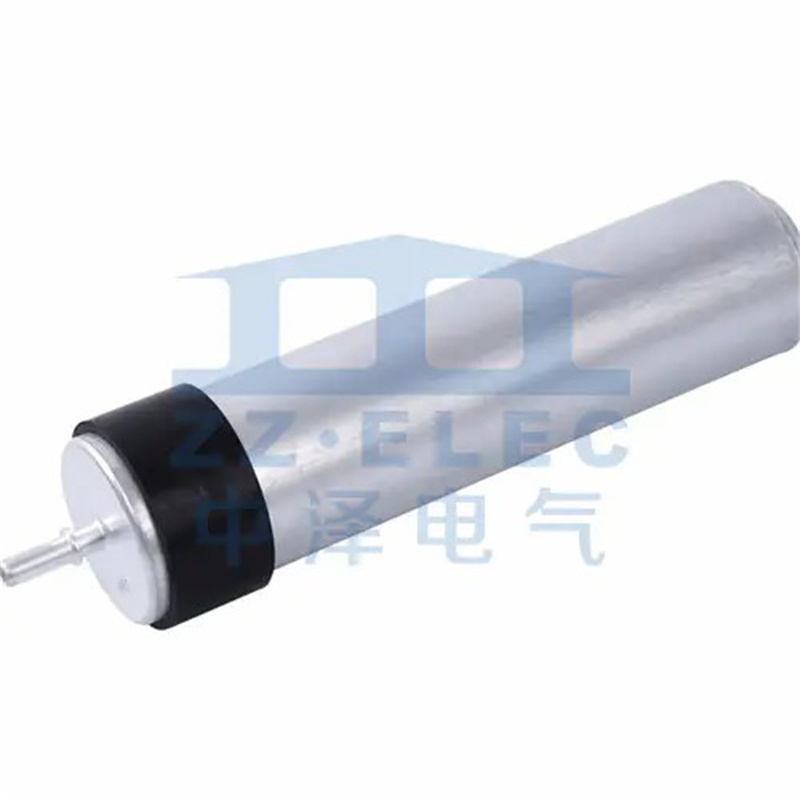
OE number:MANN: WK5015ZRepresentative models: BMW
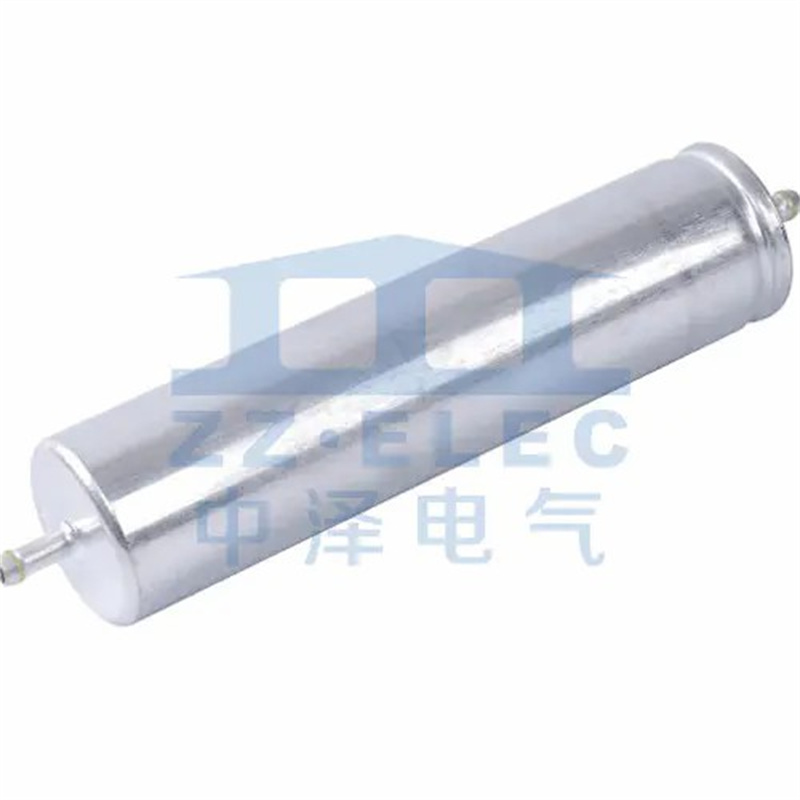
OE number:13 32 1 713 808Representative models: BMW (Import) 8 (E31), BMW (Import) 3 Compact (E36)

Copyright © Zhejiang ZZ Electric Co., Ltd. All Rights Reserved.
Custom Aluminium Cold Extrusions Manufacturers