English
 中文简体
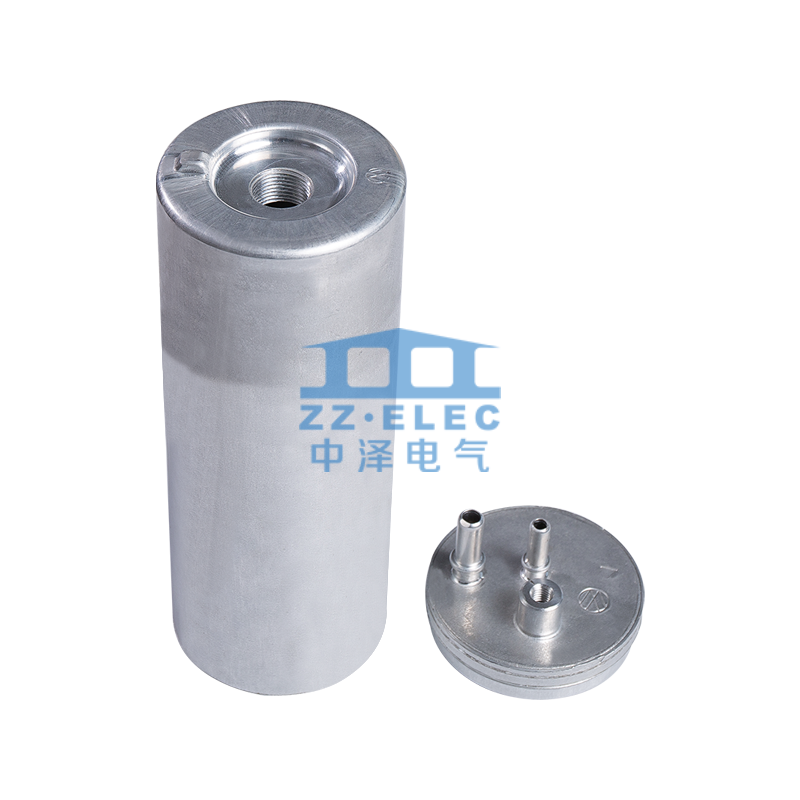
中文简体Fuel Filter Structure
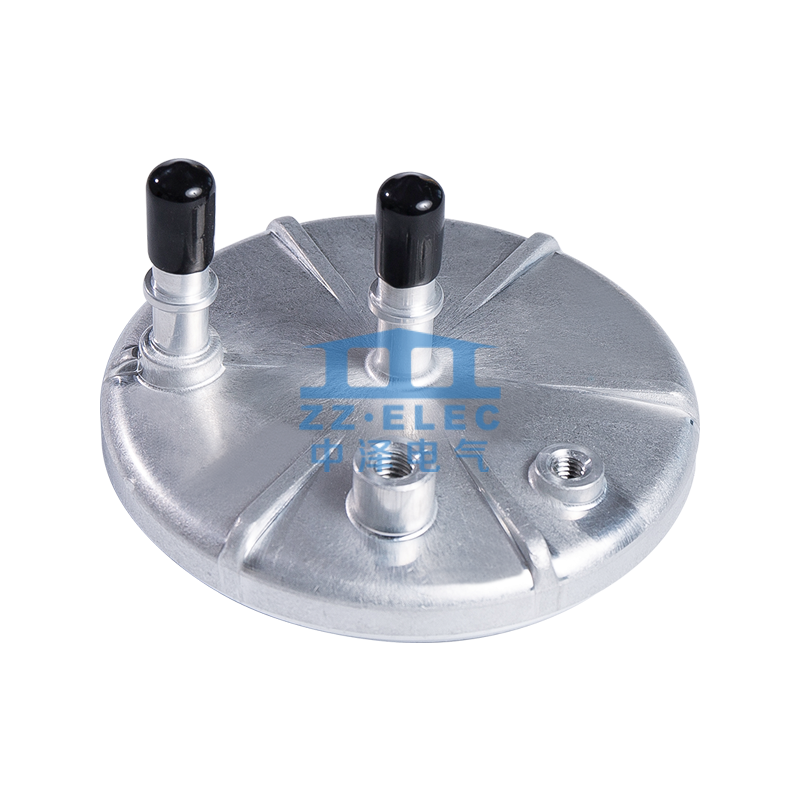
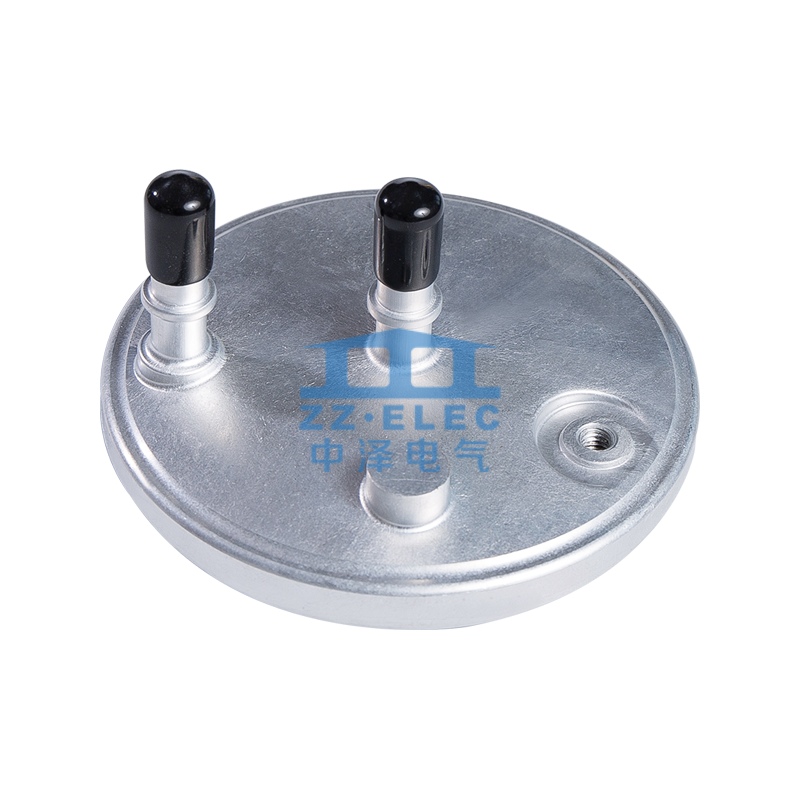
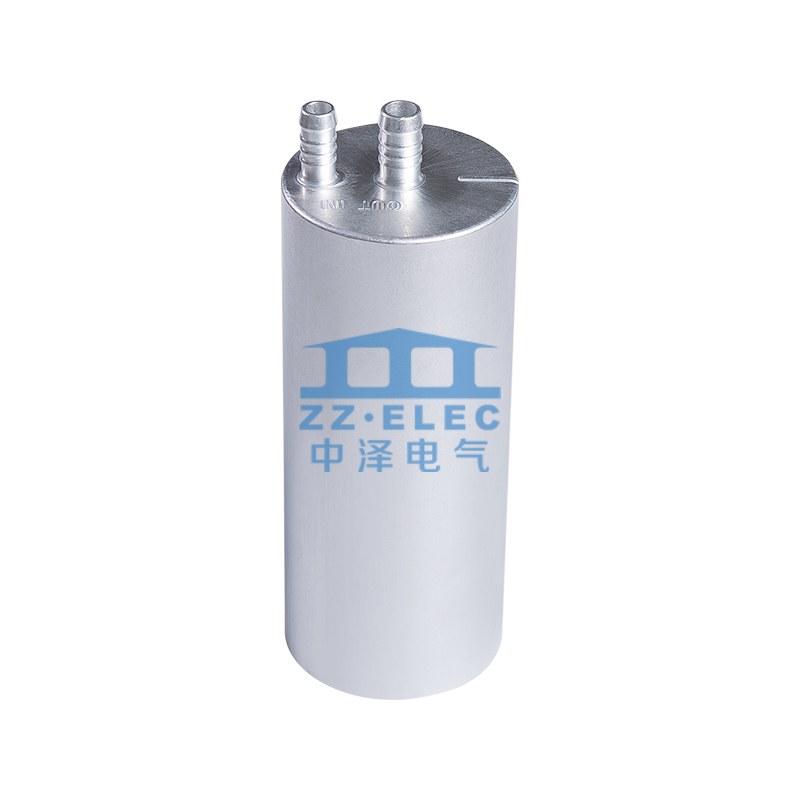
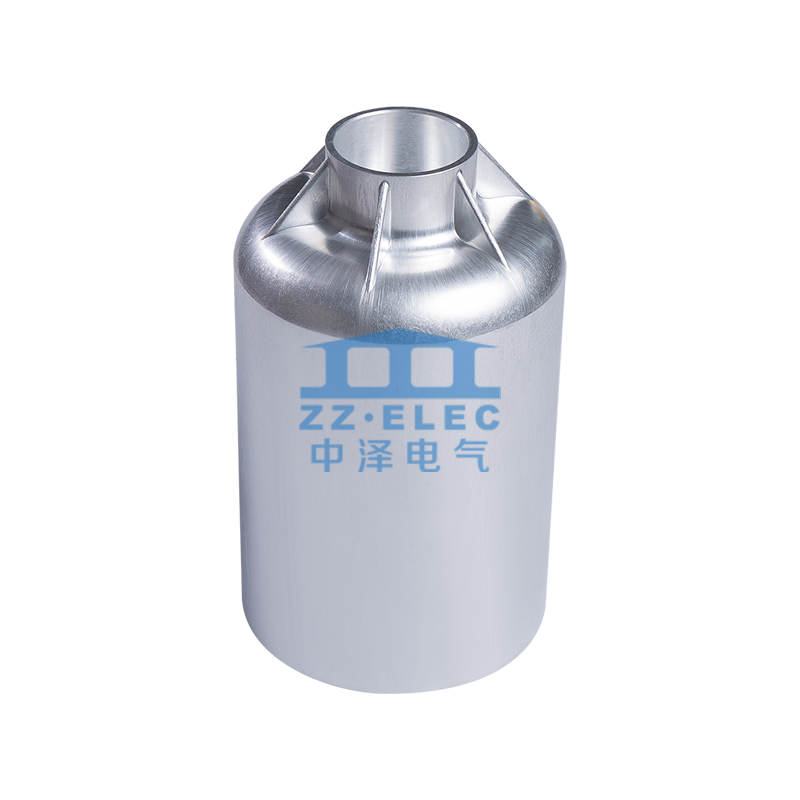
Fuel filter cover&housingType: nearly every existingMaterial: AL1060We specialize in Aluminum cold extrusion. Fuel filter cover and housing could ...


Content
A Fuel Filter is a critical component in both gasoline and diesel engine systems. It removes contaminants such as dirt, rust particles, and water from fuel before the fuel reaches injectors or carburetors. For OEM buyers, fleet operators, and automotive parts distributors, understanding filtration efficiency, replacement cycles, structural design, and performance comparison is essential to ensure engine durability and compliance with modern emission standards.
When a fuel filter becomes restricted, fuel flow decreases and system pressure becomes unstable. Compared with a clean filter, a clogged filter reduces injector efficiency and combustion stability.
A clean filter maintains stable fuel pressure and consistent flow rate, while a clogged filter increases pump load and may cause cavitation. The following comparison demonstrates operational impact.

| Parameter | Clean Fuel Filter | Clogged Fuel Filter |
| Fuel Pressure Stability | Stable | Fluctuating |
| Injector Protection | Optimal | Reduced |
| Engine Performance | Normal Output | Power Loss |
| Fuel Pump Load | Normal | Increased |
Diesel fuel systems operate at higher pressures and are more sensitive to particulate contamination and water intrusion. Compared with gasoline engines, diesel engines require more frequent filter inspection due to higher impurity levels.
Replacement frequency varies based on operating conditions and fuel quality.
| Vehicle Type | Standard Interval | Severe Conditions |
| Light-Duty Diesel | 20,000–30,000 km | 15,000–20,000 km |
| Heavy-Duty Trucks | 30,000–50,000 km | 20,000–30,000 km |
Turbo engines require stable fuel delivery under increased combustion pressure. Compared with naturally aspirated engines, turbocharged systems are more sensitive to pressure drop and contamination.
High performance filters provide improved flow capacity and filtration precision compared to standard filters.
| Feature | Standard Filter | High Performance Filter |
| Filtration Micron | 10–20 μm | 5–10 μm |
| Flow Rate Stability | Moderate | High |
| Pressure Drop | Higher Over Time | Optimized |
| Engine Response | Standard | Enhanced |
An inline fuel filter for small engines is commonly used in motorcycles, lawn mowers, generators, and marine equipment. Compared with large automotive filters, inline filters are compact and easy to replace.
| Feature | Inline Small Engine Filter | Automotive Filter |
| Size | Compact | Larger |
| Flow Capacity | Low | High |
| Installation | Hose Inline | Integrated Housing |
A heavy duty fuel filter for trucks is engineered for high-flow diesel systems and long service intervals. Compared with passenger car filters, truck filters have larger filtration surface area and integrated water separation.
| Specification | Passenger Vehicle | Heavy-Duty Truck |
| Operating Pressure | Lower | Higher |
| Flow Demand | Moderate | High |
| Service Life | Shorter | Extended |
Zhejiang ZZ Electric Co., Ltd. is a pioneer in cold extrusion aluminum technology in China. With decades of expertise and multiple patents, the company manufactures high-quality automotive fuel system components including fuel filters and fuel pumps.
The company provides precision manufacturing, stable supply capability, and advanced engineering support for global automotive markets.
Replacement depends on vehicle type. Diesel engines typically require replacement every 20,000–30,000 km under normal conditions.
Common signs include engine hesitation, reduced acceleration, and unstable fuel pressure.
High performance systems typically require 5–10 micron filtration efficiency.
Yes, truck filters have higher flow capacity, reinforced housing, and longer service intervals.
Yes, restricted flow increases pump load and may shorten pump lifespan.
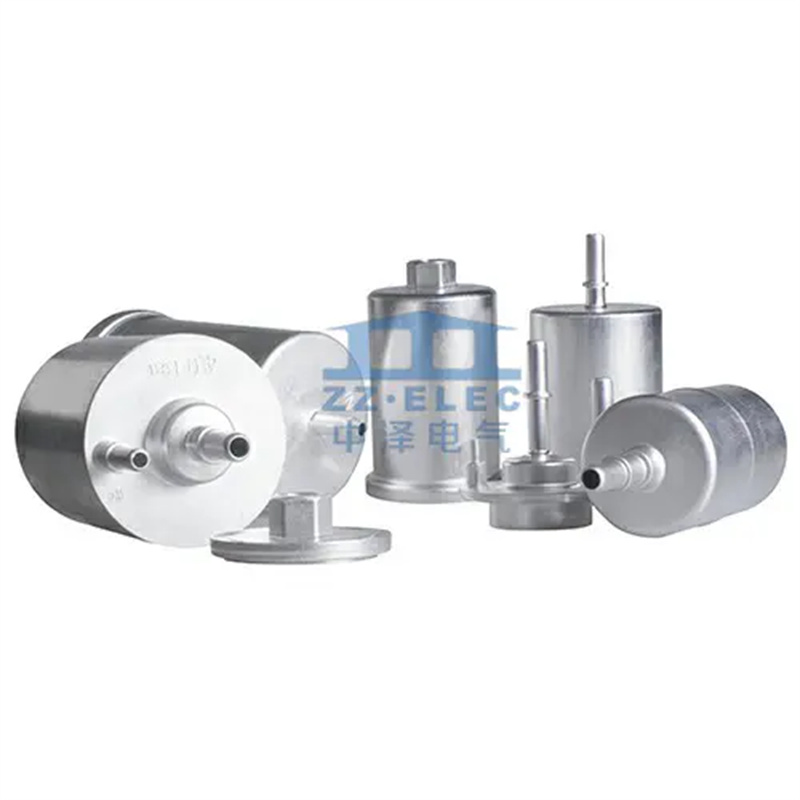
Fuel filter cover&housingType: nearly every existingMaterial: AL1060We specialize in Aluminum cold extrusion. Fuel filter cover and housing could ...
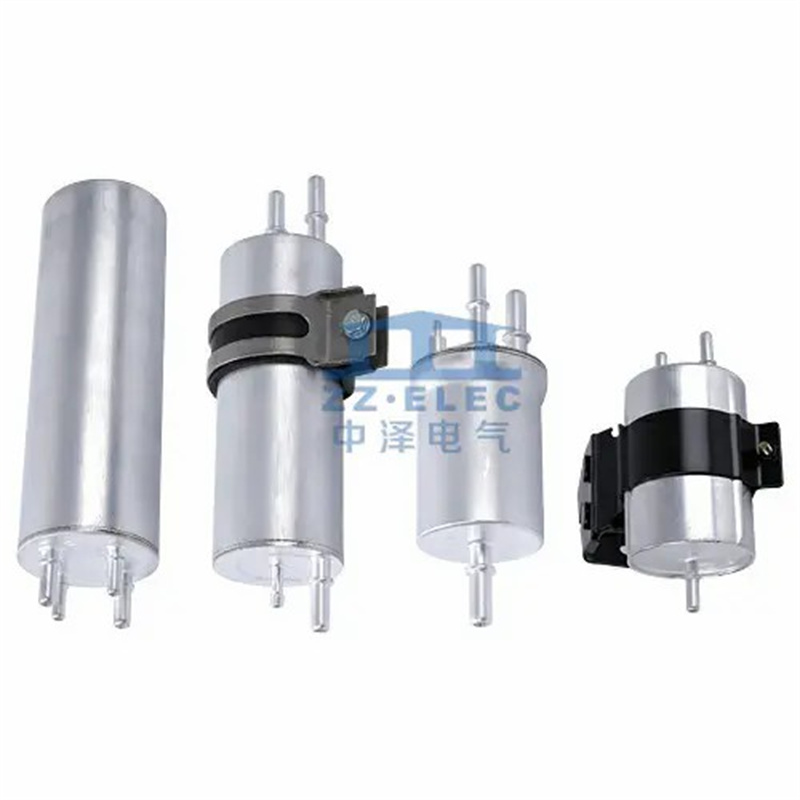
After a quality assurance test, the response speed is faster, the price is lower, and it is easy to install.Material: Made of high-quality aluminum.
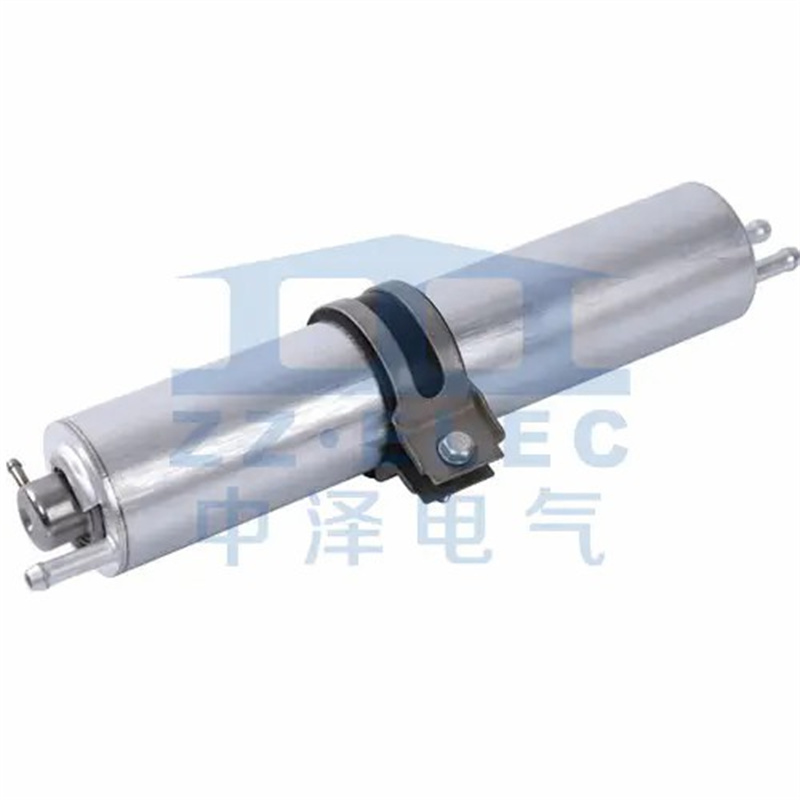
OE number:16126750475Representative models: BMW (Import) 7 (E65, E66, E67)
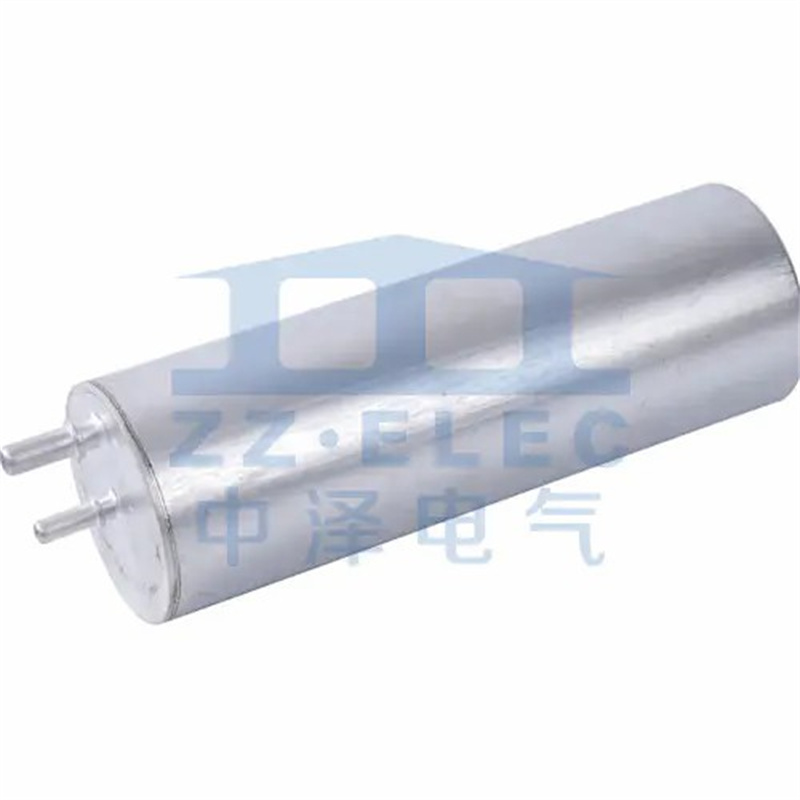
OE number:7H0127401DRepresentative models: VW import
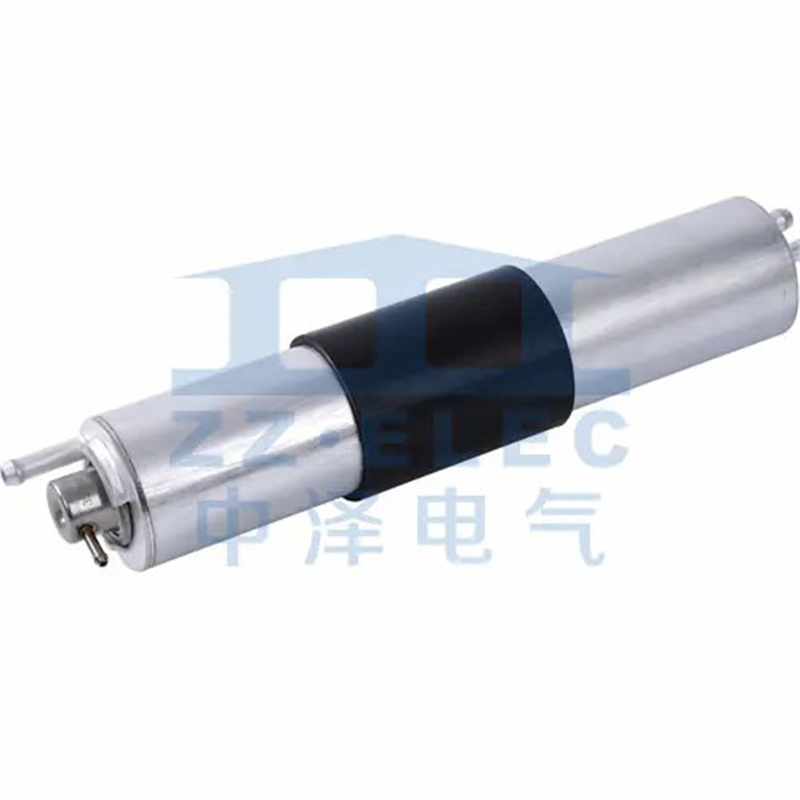
OE number:13327512019Representative models: BMW (import) Z3
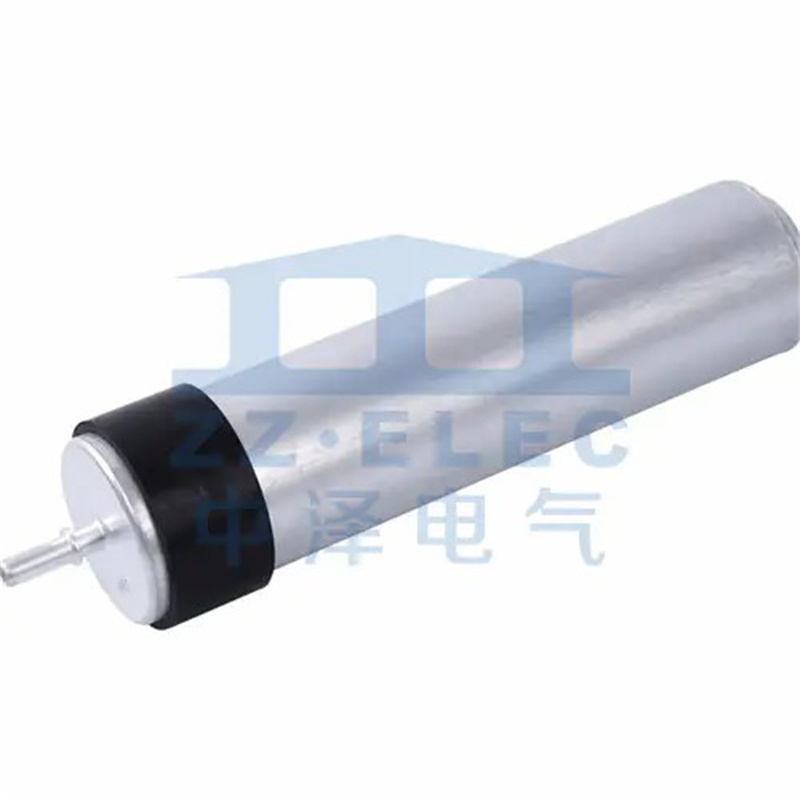
OE number:MANN: WK5015ZRepresentative models: BMW
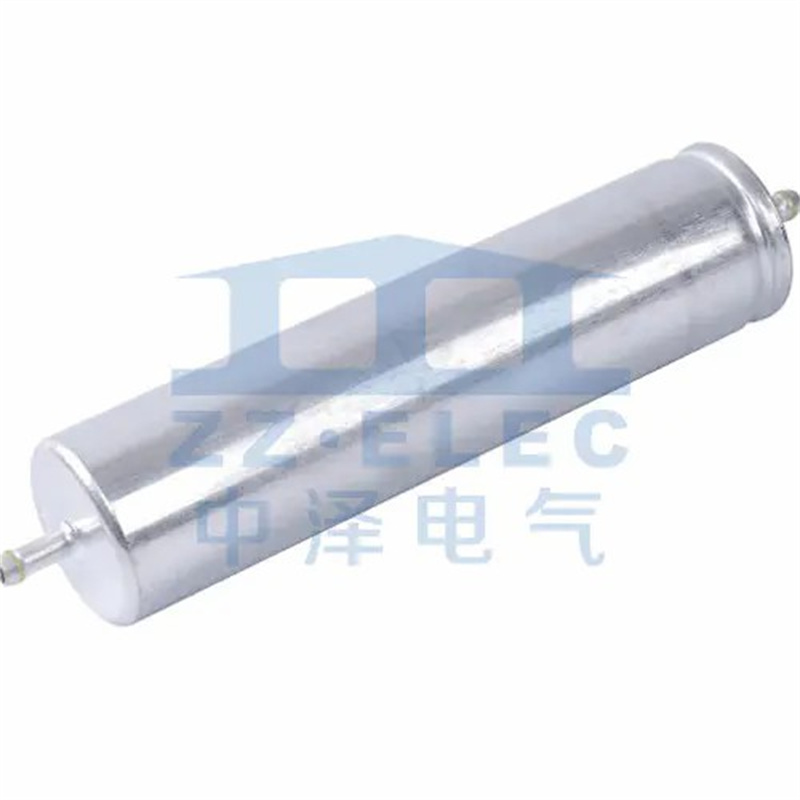
OE number:13 32 1 713 808Representative models: BMW (Import) 8 (E31), BMW (Import) 3 Compact (E36)

Copyright © Zhejiang ZZ Electric Co., Ltd. All Rights Reserved.
Custom Aluminium Cold Extrusions Manufacturers