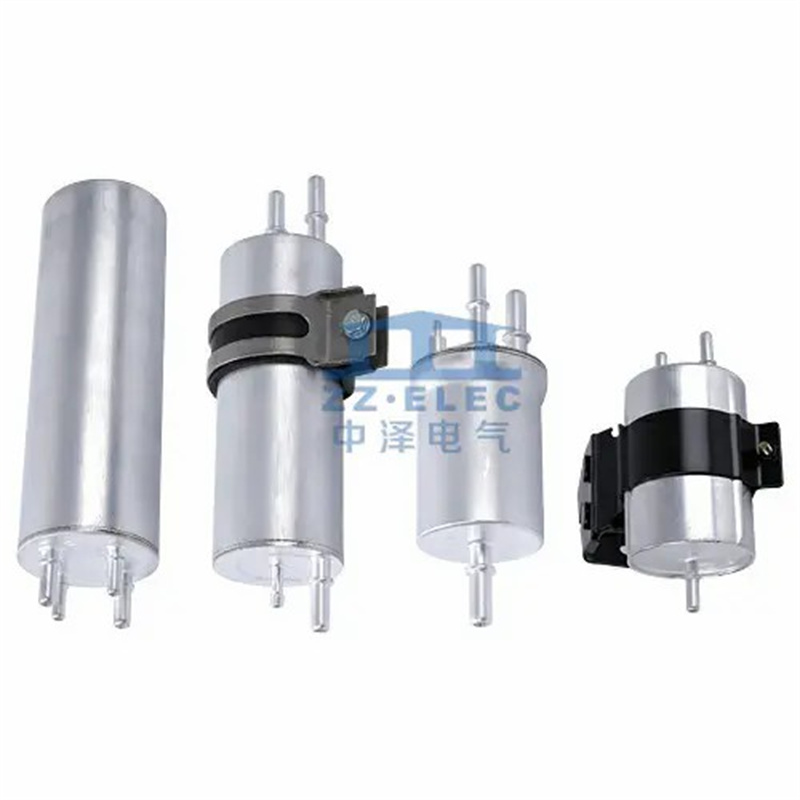
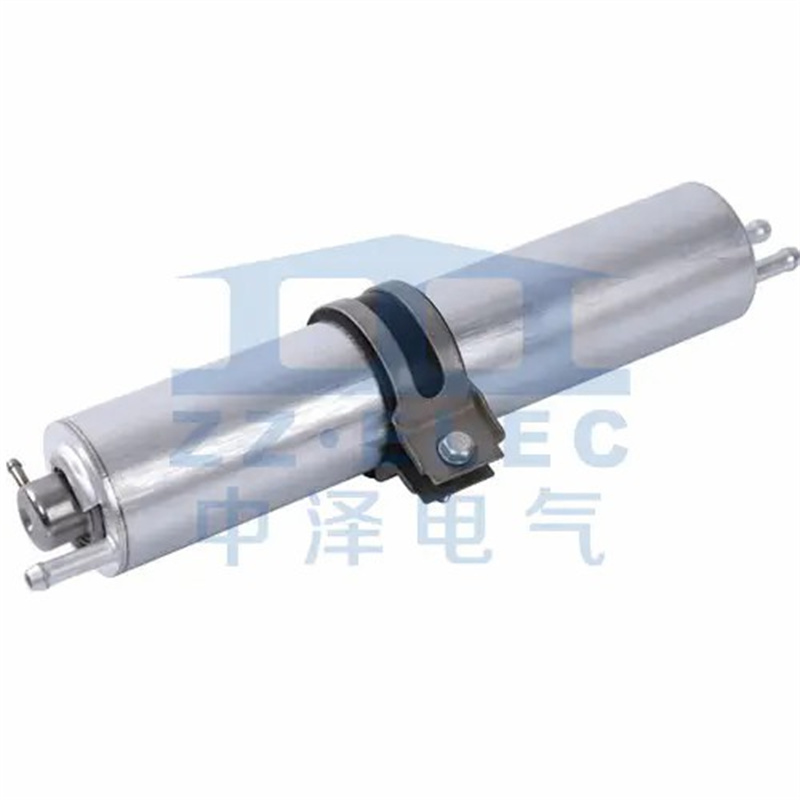
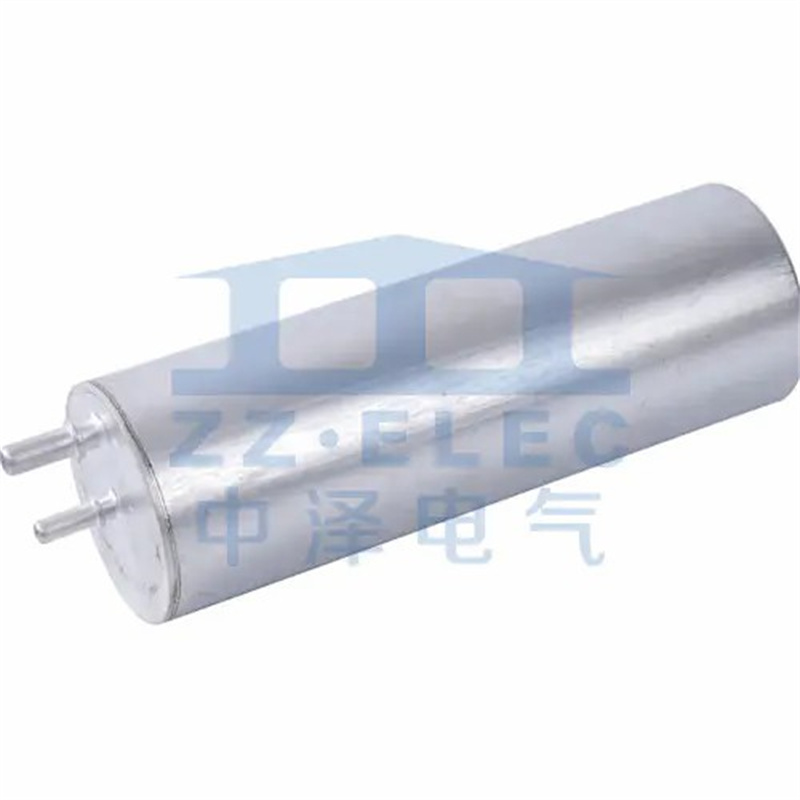
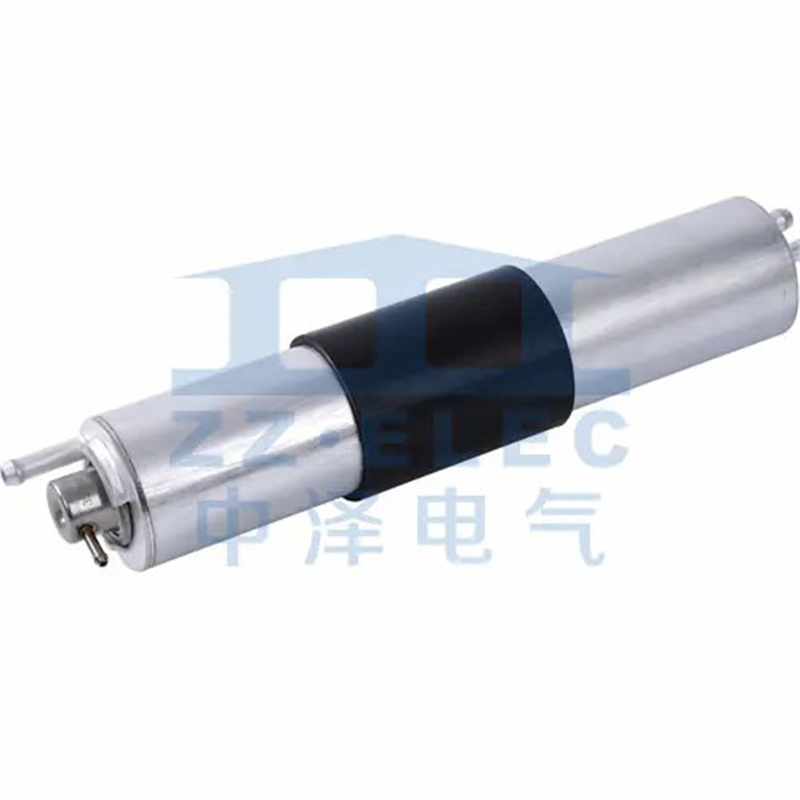
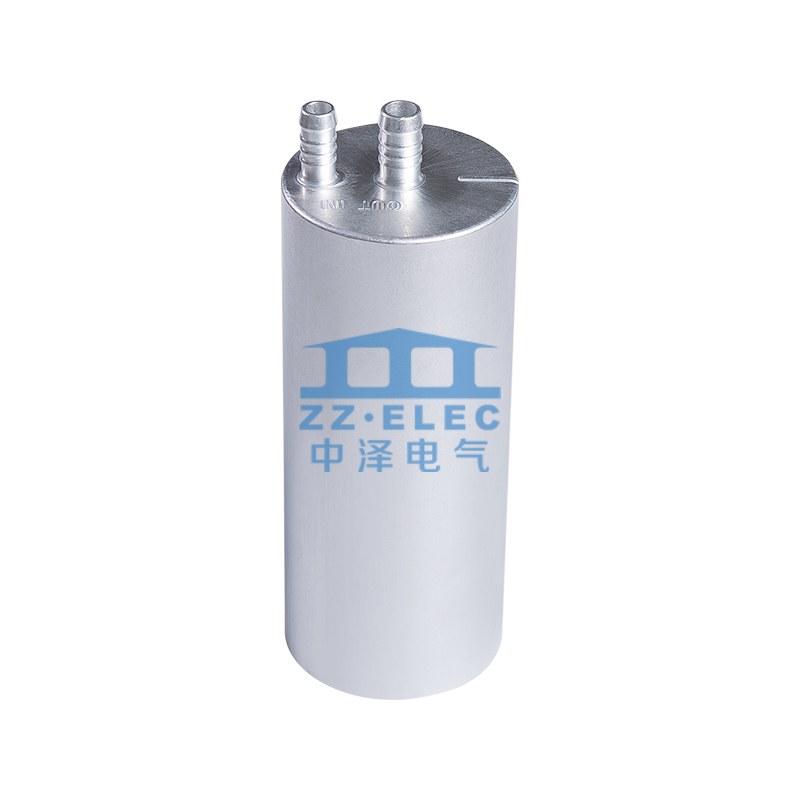
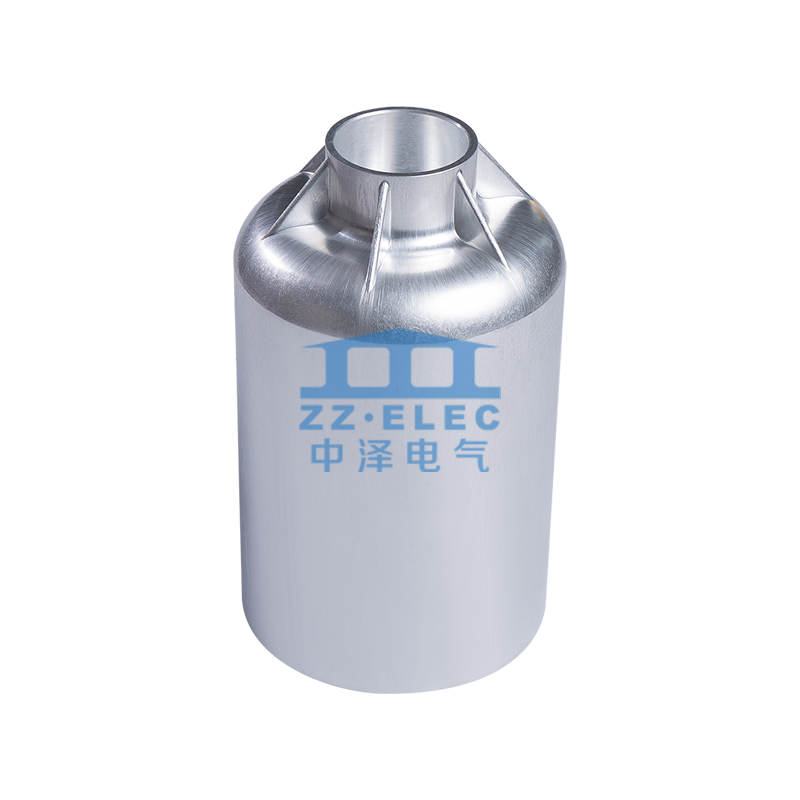
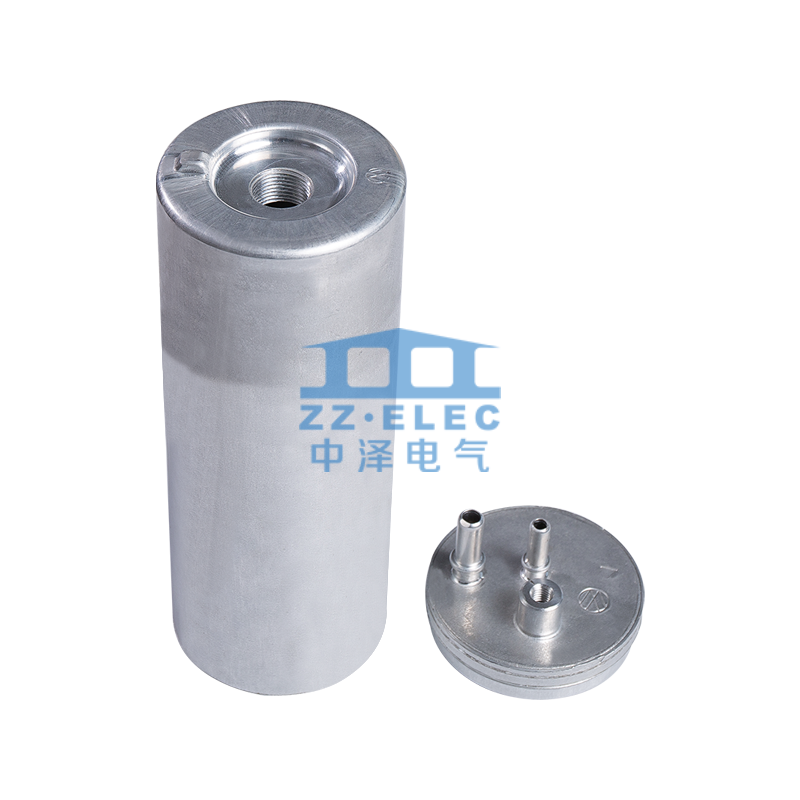
Changing a fuel filter is a straightforward DIY task that takes 30–60 minutes and typically costs $15–$80 in parts — far less than a shop visit. The core steps are: relieve fuel pressure, locate and remove the old filter, install the new one with correct flow direction, and check for leaks. Most vehicles need this done every 20,000–40,000 miles, though fuel-injected systems with in-tank filters may go up to 100,000 miles.
Tools and Parts You'll Need
Before starting, gather everything so you're not hunting for tools mid-job with fuel dripping.
- Replacement fuel filter (match your exact year/make/model)
- Line wrench set or flare nut wrenches (for metal fuel lines)
- Quick-disconnect fuel line tool set (for plastic clip connectors)
- Drain pan or rags to catch residual fuel
- Safety glasses and nitrile gloves
- Fire extinguisher nearby (ABC-rated)
- Jack stands if the filter is underneath the vehicle
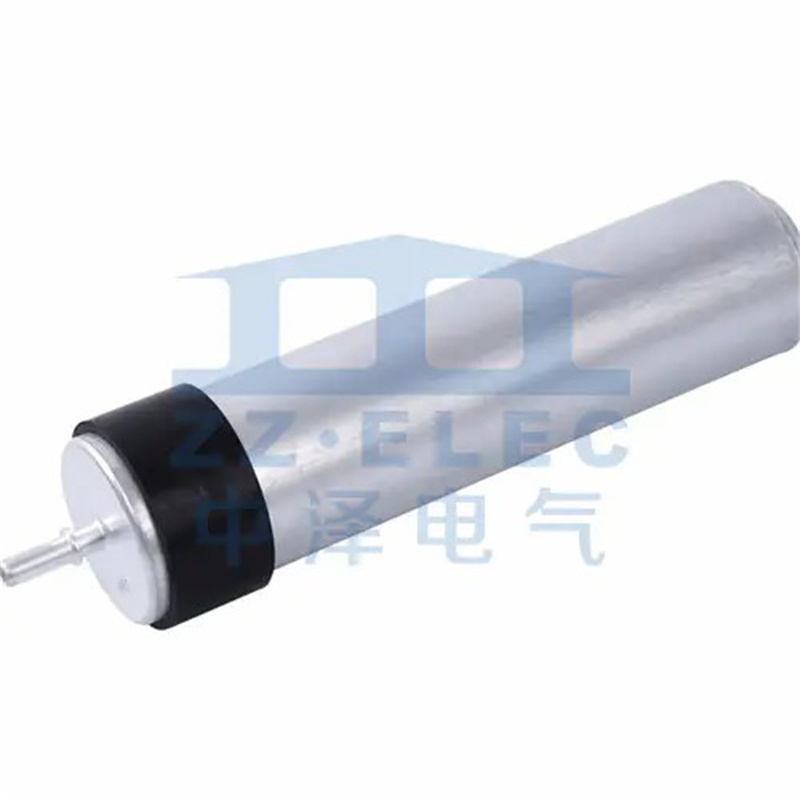
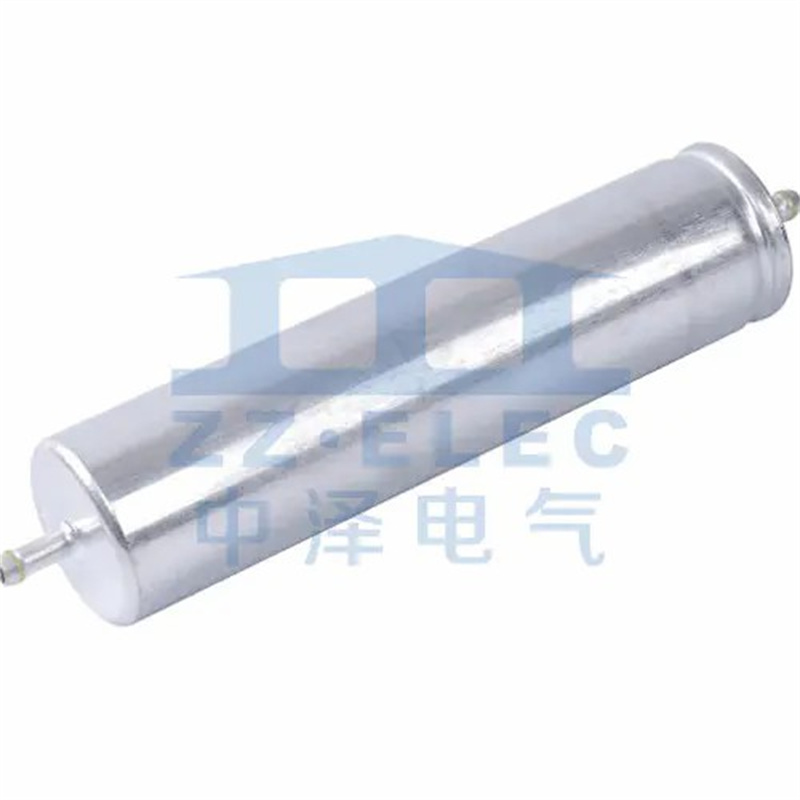
Filter cost varies widely: an inline filter for a carbureted car might be $5–$15, while a canister-style filter for a modern fuel-injected vehicle runs $20–$80. Always buy OEM-equivalent or a reputable brand like Wix, Bosch, or AC Delco.
Step-by-Step: How to Change a Fuel Filter
Step 1 — Relieve Fuel System Pressure
This is the most critical safety step. Fuel-injected systems hold 35–65 PSI of pressure even after the engine is off. Skip this and you'll get a face full of fuel spray.
- Locate the fuel pump fuse or relay in the fuse box (check your owner's manual).
- Pull the fuse/relay out.
- Start the engine and let it run until it stalls — this exhausts remaining fuel pressure.
- Crank the engine 2–3 more seconds to clear any remaining pressure.
- Disconnect the negative battery terminal before proceeding.
On carbureted engines, there's minimal pressure — simply removing the fuel cap vents the system adequately.
Step 2 — Locate the Fuel Filter
Location depends on the vehicle type:
- Under the hood — Common on older carbureted vehicles. The filter sits on the fuel line near the carburetor.
- Along the frame rail — Most fuel-injected vehicles from the 1980s–2000s have a canister filter mounted under the car on the driver's side frame rail.
- Inside the fuel tank — Many post-2000 vehicles integrate the filter with the fuel pump assembly inside the tank. These typically last the life of the pump.
If unsure, search "[your vehicle year/make/model] fuel filter location" or consult a repair manual like Haynes or Mitchell1.
Step 3 — Disconnect the Fuel Lines
Place rags under the filter — expect 1–2 oz of fuel to drip out even after depressurizing.
- Threaded connections: Use a line wrench (not an open-end wrench) to avoid rounding the fittings. Hold the filter body steady with one hand while turning the fitting nut.
- Quick-disconnect plastic clips: Insert the correct-size disconnect tool into the collar and push inward while pulling the line away. Common sizes are 3/8" and 5/16".
- Banjo bolt fittings: Remove the center bolt and note the copper crush washers — you'll need new ones.
Step 4 — Remove the Old Filter
Unbolt or unclip the bracket holding the filter in place. Slide the old filter out. Note the flow direction arrow printed on the housing — you'll need to orient the new one identically. Flow always goes from the fuel tank toward the engine.
Step 5 — Install the New Filter
- Confirm the new filter matches the old one in size and fitting type.
- Orient the filter so the arrow points toward the engine (inlet = tank side, outlet = engine side).
- Hand-tighten threaded fittings first, then snug with a line wrench — do not overtighten; typically 1/4 to 1/2 turn past hand-tight is sufficient.
- For quick-disconnect fittings, push until you hear/feel a click.
- Reinstall the mounting bracket securely.
Step 6 — Restore Power and Check for Leaks
- Reinstall the fuel pump fuse/relay.
- Reconnect the negative battery terminal.
- Turn the ignition to "ON" (don't crank) for 3 seconds, then back to "OFF." Repeat 3–4 times to prime the fuel system and pressurize the lines.
- Inspect all connections closely for drips or seeping fuel.
- Start the engine and let it idle for 2–3 minutes while rechecking for leaks.
If you smell fuel or see any wetness, shut the engine off immediately and re-examine the connections before proceeding.
How Often Should You Change the Fuel Filter?
Replacement intervals vary significantly by vehicle type and fuel system design:
| Vehicle Type |
Recommended Interval |
| Carbureted engines |
Every 1–2 years or 12,000–15,000 miles |
| Fuel-injected (inline filter) |
Every 20,000–40,000 miles |
| Modern vehicles with in-tank filter |
60,000–100,000 miles or with pump replacement |
| Diesel engines |
Every 15,000–25,000 miles (more frequent) |
Always defer to your owner's manual. Using contaminated or low-grade fuel shortens filter life — if you frequently fill up at discount stations, consider replacing it more often.
Signs Your Fuel Filter Needs Replacing Now
A clogged filter restricts fuel flow, starving the engine. Watch for these symptoms:
- Hard starting — Engine cranks but takes longer than usual to fire, especially cold starts.
- Engine hesitation or stumbling under acceleration, particularly at highway speeds.
- Rough idle — The engine shudders or surges at a stop.
- Loss of power on hills or under load — The engine can't meet fuel demand.
- Engine misfires or stalls at speed, particularly in hot weather when fuel demand is highest.
- Check Engine light with codes P0087 (fuel pressure too low) or P0171/P0174 (lean mixture).
Note: these symptoms overlap with other issues like a failing fuel pump or dirty injectors. A fuel pressure test (typical range is 30–80 PSI depending on the system) can confirm whether the filter is the culprit before you start replacing parts.
Common Mistakes to Avoid
- Installing the filter backward. Always align with the flow direction arrow. A reversed filter blocks fuel and can damage the filter element internally.
- Skipping pressure relief. Even a split second of spray from a pressurized line near an ignition source is a serious fire risk.
- Using an open-end wrench on fuel line fittings. This rounds off the soft fittings. Always use a line wrench or flare nut wrench.
- Not priming the system before starting. Cycling the ignition on/off several times prevents a long crank time and protects the fuel pump from running dry.
- Working near open flames or sparks. Gasoline vapors ignite at concentrations as low as 1.4% in air. Work outdoors or in a well-ventilated garage with no pilot lights.
- Forgetting to replace crush washers on banjo fittings. Reusing old copper washers causes slow leaks that are hard to spot.
When to Call a Professional Instead
Most external inline filters are well within DIY territory. However, consider professional service in these situations:
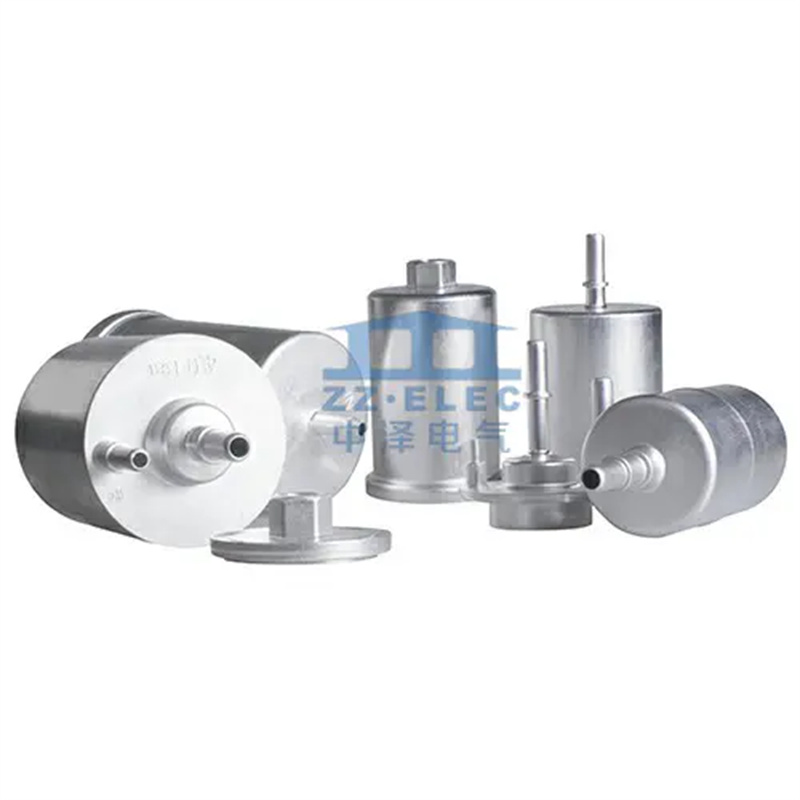
- In-tank filter replacement — Dropping the fuel tank is labor-intensive and requires proper fuel handling equipment. Labor typically runs $200–$400 at a shop, often combined with a pump replacement.
- Corroded or seized fittings — Forcing a seized fitting risks cracking a fuel line, turning a $25 job into a $300 repair.
- Diesel vehicles with primer pumps and bleed screws — The bleeding procedure is more complex and varies significantly by make.
- High-pressure direct injection systems — Some GDI vehicles have secondary high-pressure filters at the injector rail rated at 1,500–2,500 PSI — these require specialized tools and training.