English
 中文简体
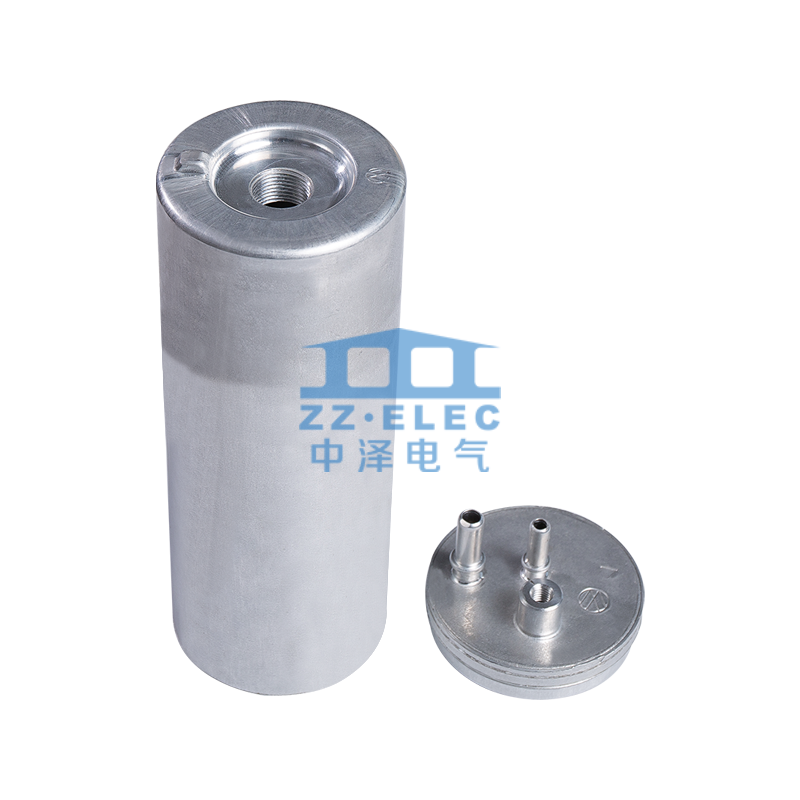
中文简体Fuel Filter Structure
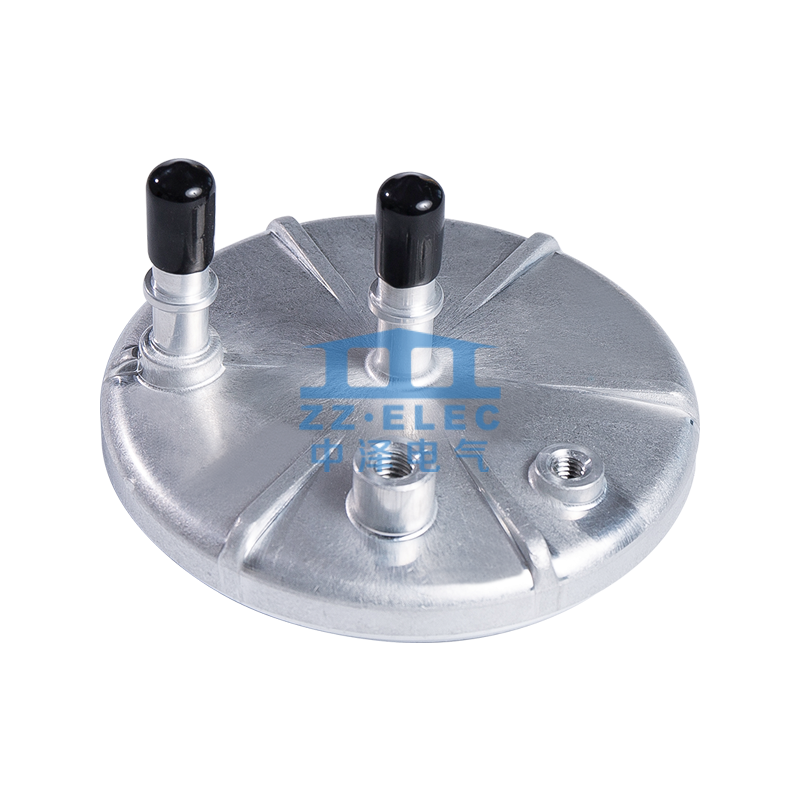
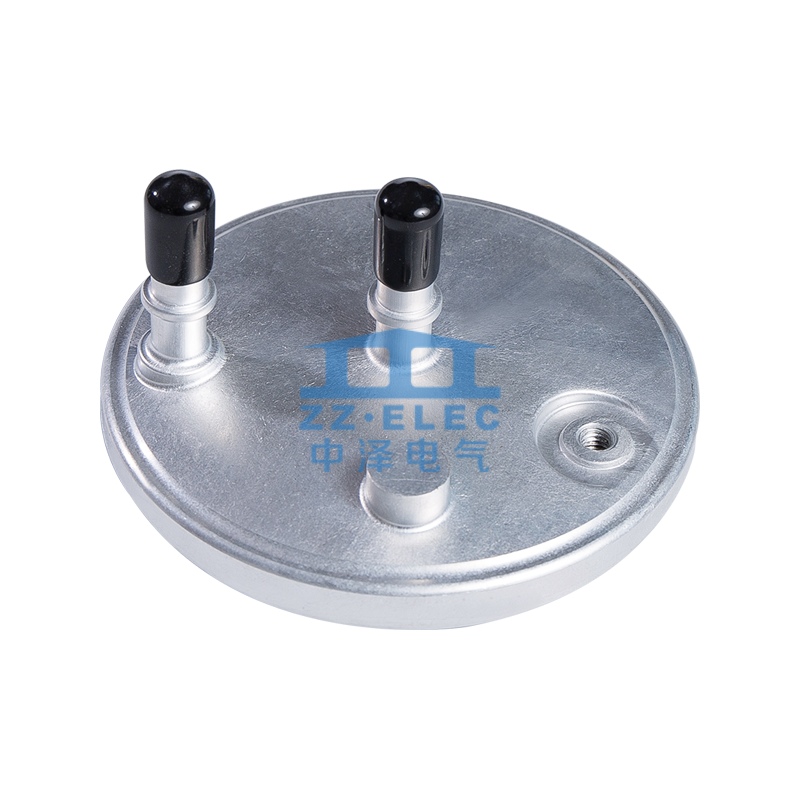
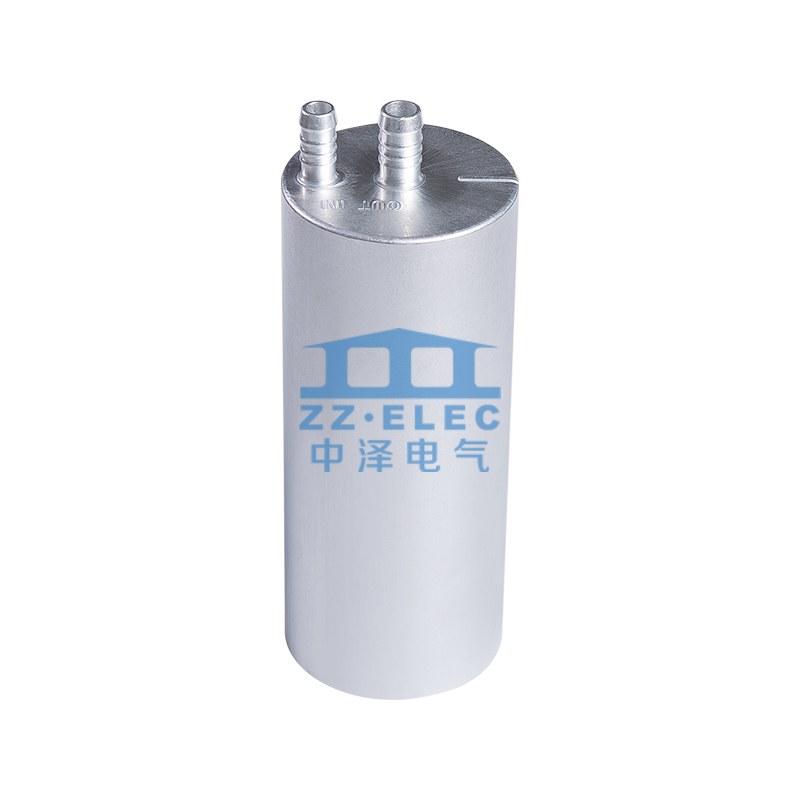
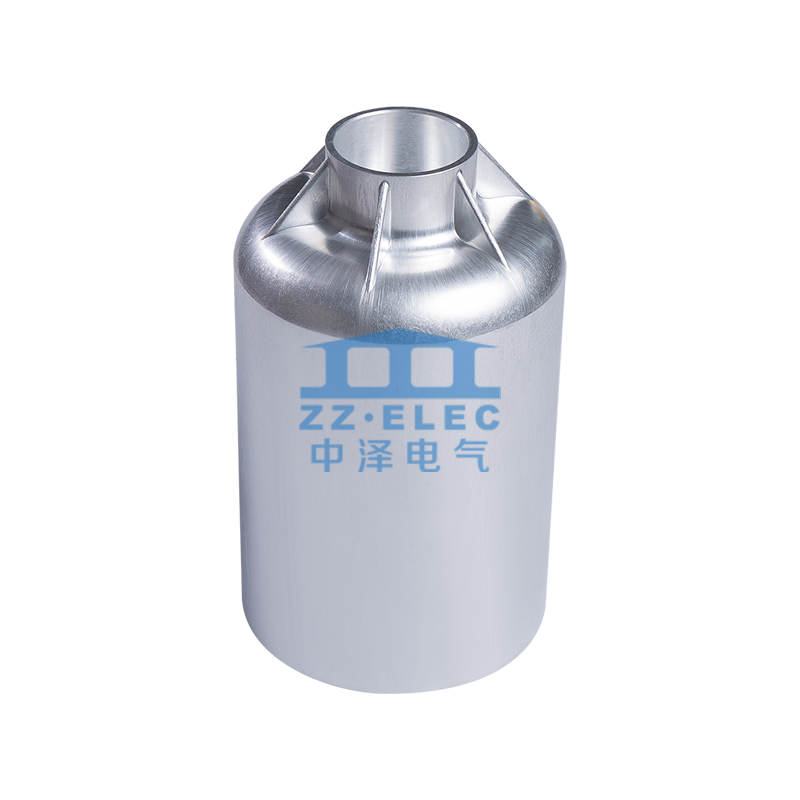
Fuel filter cover&housingType: nearly every existingMaterial: AL1060We specialize in Aluminum cold extrusion. Fuel filter cover and housing could ...


Content
The performance of electrochemical double-layer capacitors (EDLCs) is fundamentally dictated by the synergistic relationship between their internal Supercapacitor Components. Achieving high power density and cyclic stability requires precise control over the morphology of electrodes, the ion mobility of electrolytes, and the dielectric properties of separators. This technical review examines the material standards necessary for high-performance energy storage systems.
The electrolyte determines the operating voltage (V) and safety profile of the device. We compare the chemical characteristics of aqueous vs. organic Supercapacitor Components below to highlight their thermal and electrical limits.
| Parameter | Aqueous Electrolytes | Organic Electrolytes |
| Operating Voltage | 1.0V - 1.2V | 2.5V - 2.8V |
| Ion Conductivity | High (up to 1 S/cm) | Moderate (10-60 mS/cm) |
| Thermal Range | 0 to 100 degrees Celsius | -40 to 70 degrees Celsius |
1. How do next-generation Supercapacitor Components improve energy density?
Improvements are achieved by utilizing hybrid electrode materials (metal oxides + carbon) and ionic liquid electrolytes that support operating voltages above 3.0V.
2. What is the impact of ESR on power delivery?
ESR limits the maximum current (Imax). By optimizing the Supercapacitor Components interface, the time constant (RC) is reduced, allowing for millisecond-range pulse discharges.
3. Why is aluminum used as the primary current collector?
Aluminum offers high electrical conductivity and forms a protective passivation layer when used with organic electrolytes, preventing oxidative corrosion at the cathode.
4. How does humidity affect Supercapacitor Components manufacturing?
Organic electrolytes are highly hygroscopic. Manufacturing must occur in dry rooms with a dew point below -40 degrees Celsius to prevent water-induced electrolyte decomposition.
5. What is the role of the separator in preventing self-discharge?
The separator provides physical isolation between electrodes while allowing ion flux. Any micro-perforations or metallic inclusions can lead to internal short circuits and rapid voltage decay.
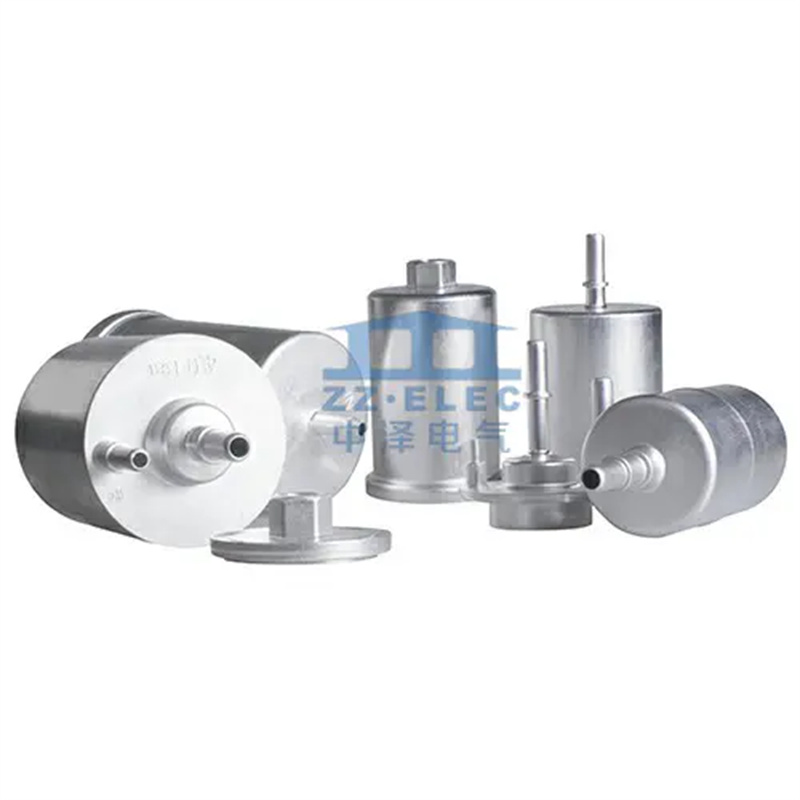
Fuel filter cover&housingType: nearly every existingMaterial: AL1060We specialize in Aluminum cold extrusion. Fuel filter cover and housing could ...
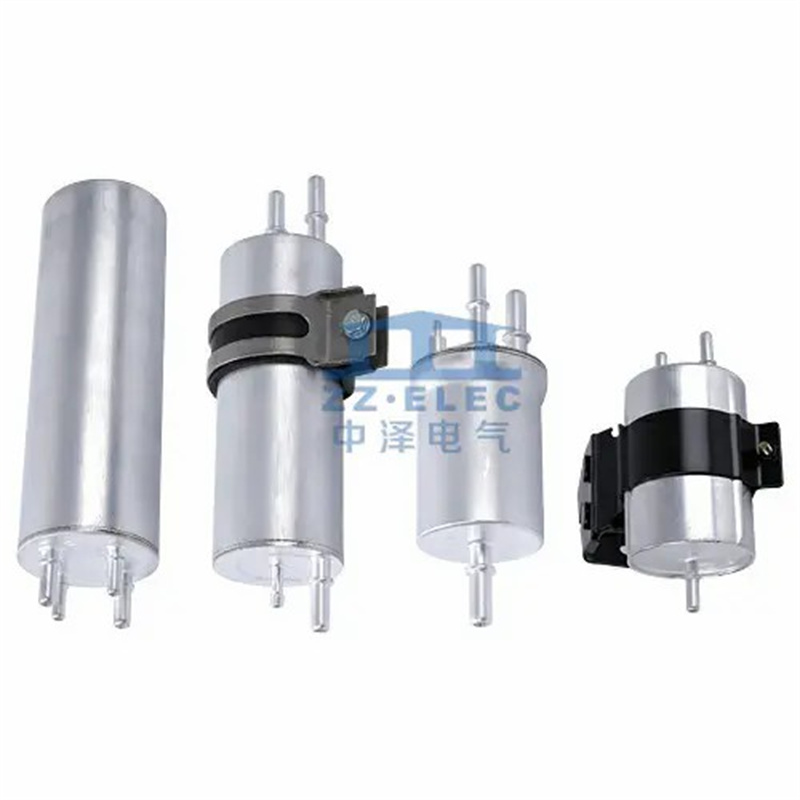
After a quality assurance test, the response speed is faster, the price is lower, and it is easy to install.Material: Made of high-quality aluminum.
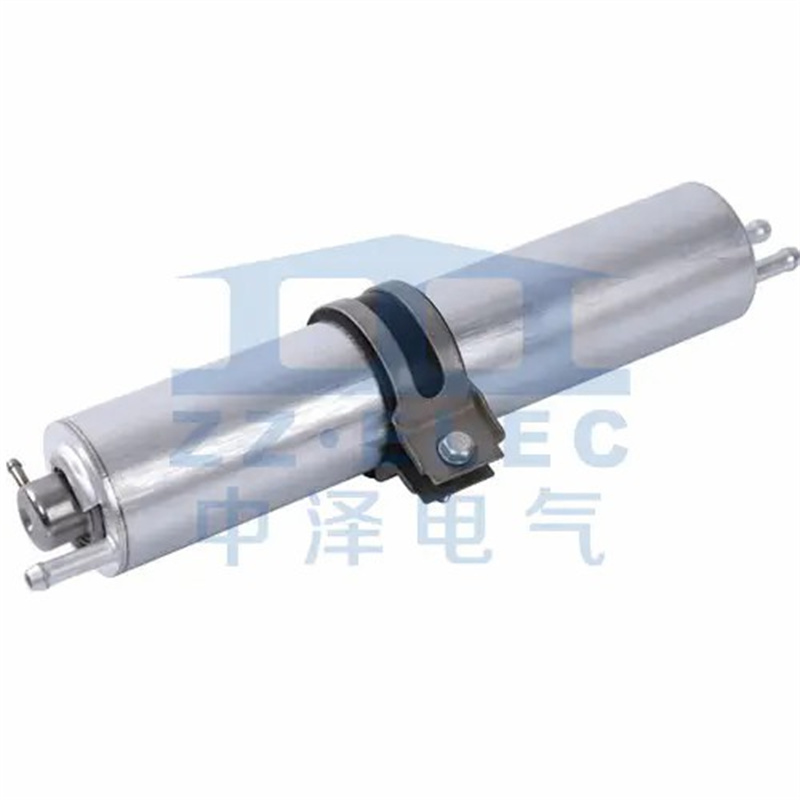
OE number:16126750475Representative models: BMW (Import) 7 (E65, E66, E67)
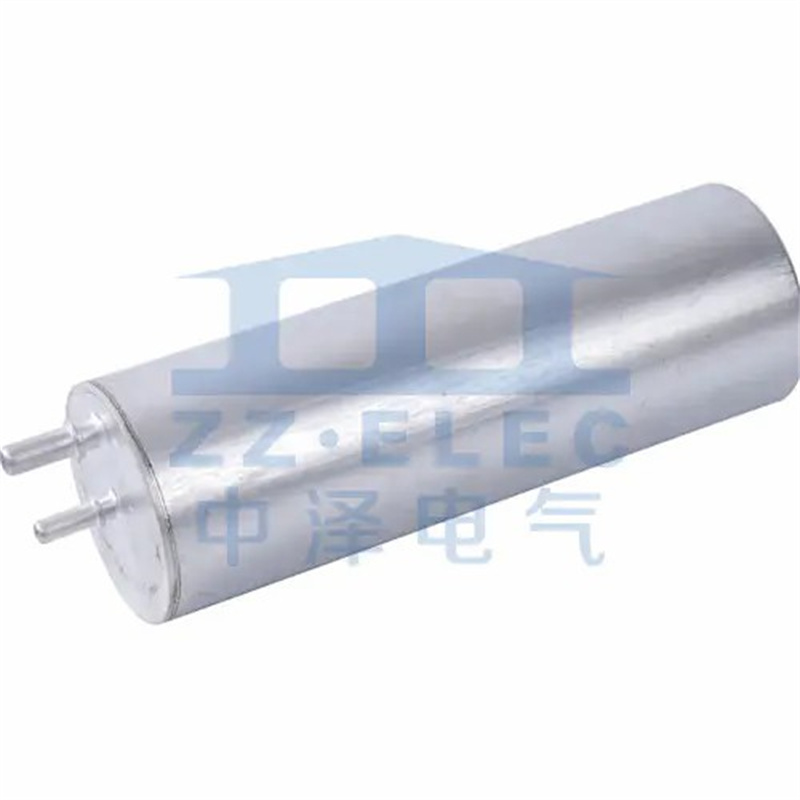
OE number:7H0127401DRepresentative models: VW import
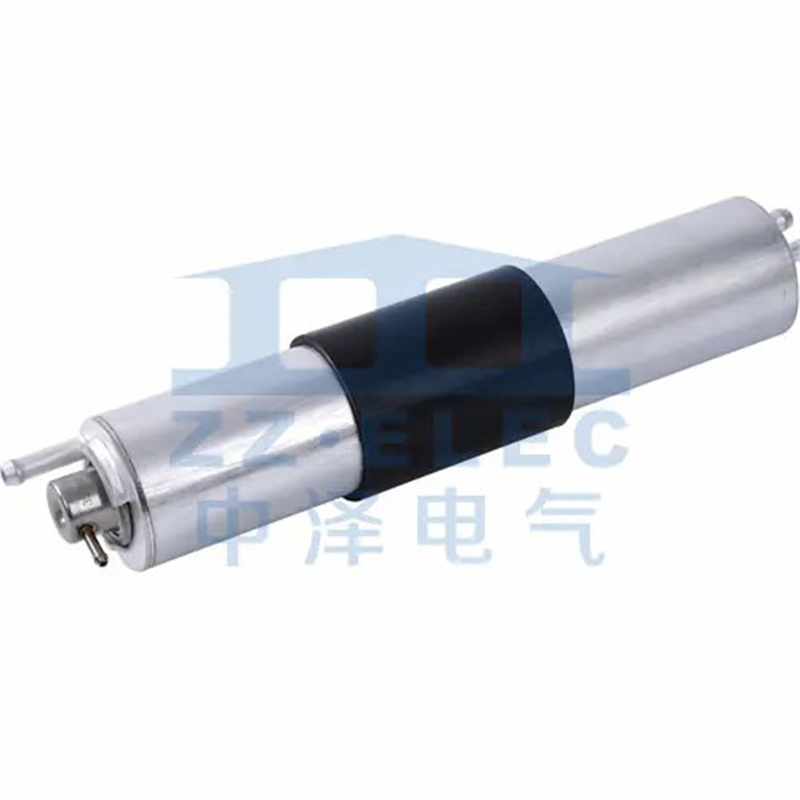
OE number:13327512019Representative models: BMW (import) Z3
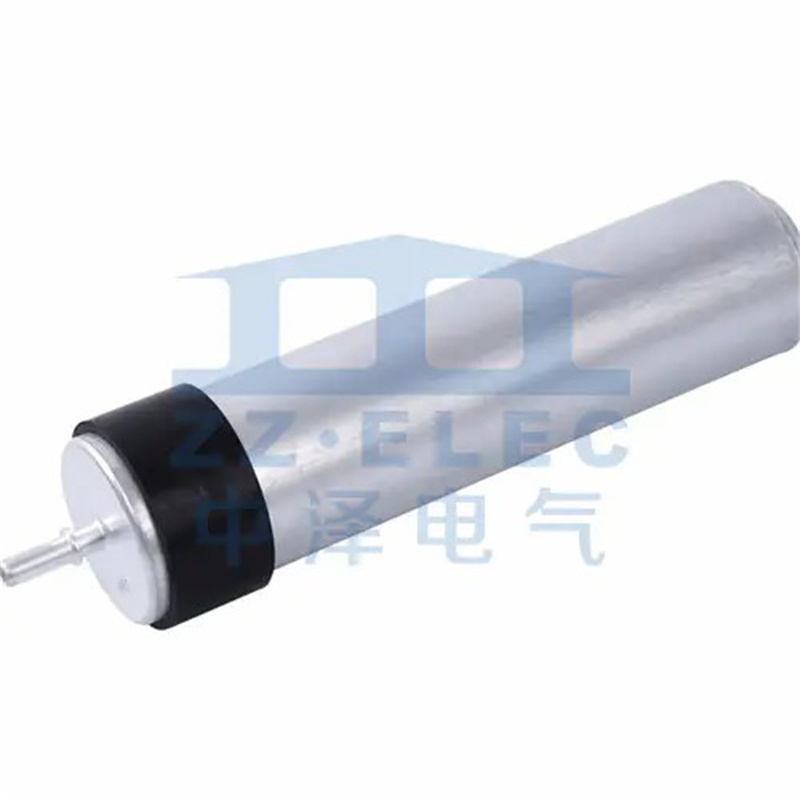
OE number:MANN: WK5015ZRepresentative models: BMW
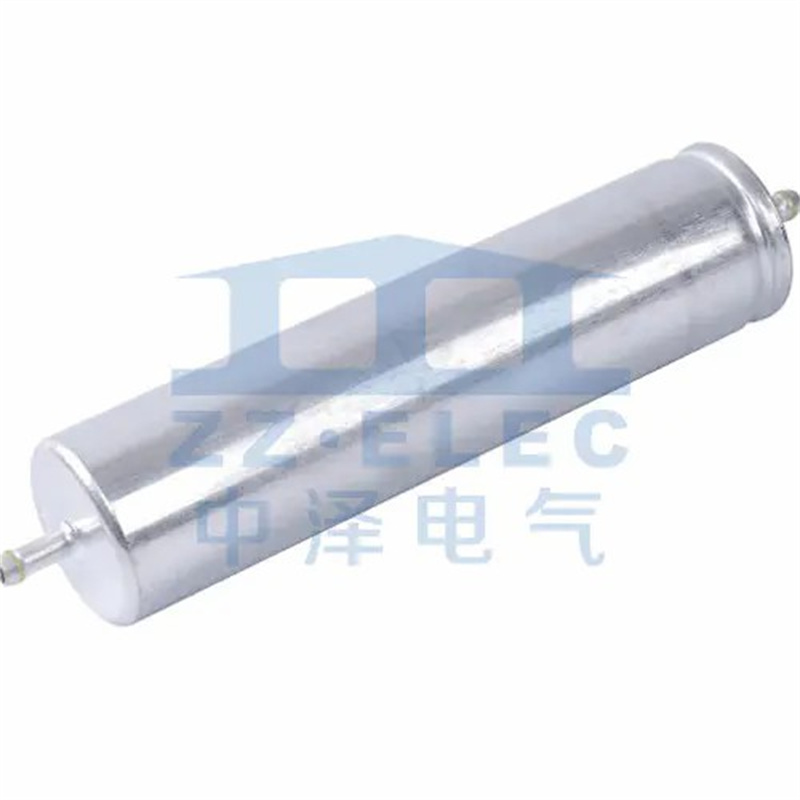
OE number:13 32 1 713 808Representative models: BMW (Import) 8 (E31), BMW (Import) 3 Compact (E36)

Copyright © Zhejiang ZZ Electric Co., Ltd. All Rights Reserved.
Custom Aluminium Cold Extrusions Manufacturers